Storm Damage Restoration Guide: What to Do After Severe Weather Damages Your Property

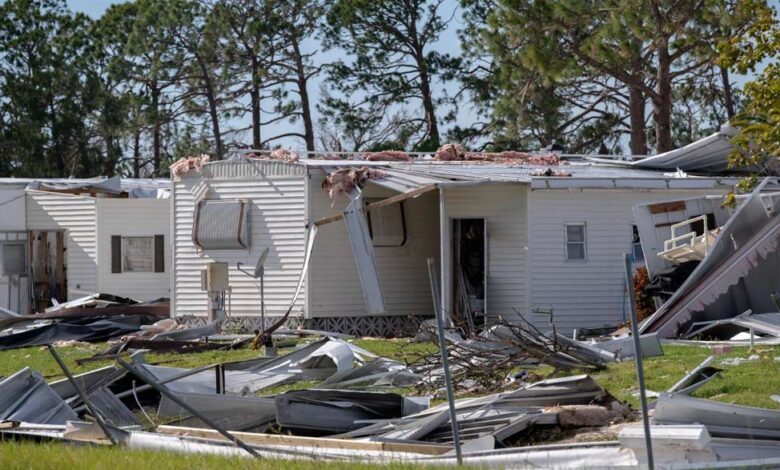
Severe weather can affect a property in many different ways, from damaged roofing and broken windows to flooding, fallen trees, compromised siding, and hidden moisture. Even when the visible damage appears limited, water and structural problems can continue developing after the storm has passed. Taking the right steps quickly can help reduce secondary damage and make the recovery process more organized. Storm damage restoration involves more than repairing whatever is immediately visible. It typically requires assessing the property, securing vulnerable areas, removing water and damaged materials, addressing structural concerns, cleaning affected spaces, and returning the building to a safe and functional condition. Understanding the restoration process can help property owners respond more effectively when unexpected weather causes significant damage.
Assessing the Damage After a Storm
The first step after severe weather is determining the extent of the damage. A property may have obvious problems, such as missing roof materials, shattered glass, or standing water, but other issues can remain concealed behind walls, ceilings, flooring, or insulation.
A thorough assessment should examine both the interior and exterior of the property. Roof surfaces, gutters, siding, windows, doors, foundations, electrical systems, plumbing, and structural components may all require attention depending on the type of storm. Inside the property, signs of water intrusion, staining, damp materials, damaged ceilings, warped flooring, and unusual odors can provide clues about what occurred.
Safety should come before inspection. Property owners should avoid entering areas that appear structurally unstable, contain exposed electrical components, or have other obvious hazards. Professional assistance may be appropriate when damage is extensive or the condition of the building is uncertain.
Documenting visible damage with photographs and written notes can also be useful. Records may help when communicating with restoration professionals and discussing insurance matters. Documentation should be completed only when it can be done safely.
Securing the Property
After a storm, exposed sections of a property may allow additional rain, wind, animals, or debris to enter. Temporary measures can help limit further deterioration while permanent repairs are being planned.
Broken windows may need to be covered, damaged roof sections may require temporary protection, and openings in exterior walls may need to be secured. Fallen branches and other debris should be removed when it is safe to do so, especially if they create immediate hazards.
Temporary protection is not the same as permanent repair. A tarp over a damaged roof, for example, may reduce additional water intrusion, but it does not resolve the underlying roofing problem. Professional restoration teams can evaluate which temporary measures are appropriate and develop a plan for permanent repairs.
Quick action can be especially important when rain is expected after the initial storm. Additional moisture entering an already damaged structure can increase the amount of material that eventually needs to be removed or restored.
Addressing Water Intrusion
Water damage is one of the most common consequences of severe storms. Heavy rainfall, roof damage, overflowing drainage systems, broken pipes, flooding, and damaged windows can all allow water to enter a building.
Standing water should be addressed promptly because prolonged exposure can damage flooring, drywall, insulation, furniture, and other materials. Moisture can also migrate into areas that are not immediately visible, making professional moisture assessment valuable.
Water extraction is generally followed by drying and dehumidification. The objective is to reduce moisture in both materials and surrounding air. Simply removing visible water may not be enough if walls, subfloors, insulation, or other components remain damp.
Restoration professionals may use specialized moisture-detection equipment to identify areas that require additional drying. Monitoring can continue throughout the process to confirm that affected materials are reaching appropriate moisture levels.
Preventing Mold and Secondary Damage
Moisture that remains in a building for too long can contribute to microbial growth and other secondary problems. Mold can develop on or within certain materials when moisture and environmental conditions are favorable.
Prevention begins with controlling moisture. Water should be removed, affected materials should be dried appropriately, and areas that cannot be adequately restored may need to be removed.
Mold-related work should be handled carefully, particularly when contamination is extensive. Disturbing affected materials without appropriate containment and protective procedures can spread contamination to other areas.
A restoration professional can determine whether materials can be cleaned and dried or whether replacement is more appropriate. Porous materials that have been extensively affected may be more difficult to restore than hard, nonporous surfaces.
The sooner moisture problems are addressed, the more options may remain for restoring affected materials rather than replacing them.
Repairing Roof Damage
The roof is one of the most important protective components of a building, making roof assessment a major part of storm recovery. Wind can loosen or remove roofing materials, while hail can damage certain surfaces and falling branches can create punctures or structural damage.
A roof inspection should look beyond obvious missing materials. Flashing, vents, seals, gutters, underlayment, and supporting components may also be affected.
Temporary roof protection may be necessary before permanent repairs can begin. Once the structure has been assessed, damaged materials can be repaired or replaced according to the roof’s construction and the extent of the damage.
Homeowners should avoid climbing onto a damaged roof after a storm. Wet surfaces, loose materials, and unstable sections can create serious fall hazards. Professional roofing and restoration personnel have the appropriate equipment and procedures for inspecting difficult-to-access areas.
Restoring Walls, Ceilings, and Flooring
Interior finishes often show the effects of storm-related water intrusion. Drywall can absorb moisture, ceilings may become stained or weakened, and flooring materials can warp, swell, separate, or discolor.
The appropriate restoration method depends on the type of material and severity of the exposure. Some materials can be dried and cleaned successfully, while others may need to be removed and replaced.
Ceiling damage deserves particular attention because prolonged moisture can weaken materials and create a risk of collapse. Areas with visible sagging or substantial water accumulation should be treated as potential safety concerns.
Flooring also requires careful assessment. Water can travel beneath finished flooring and affect subfloors or structural components. Removing only the visible surface may not resolve the underlying moisture problem.A systematic restoration process examines each layer of affected construction rather than focusing solely on what can be seen from the surface.
Handling Structural Damage
Severe storms can sometimes compromise structural components. High winds, fallen trees, flooding, and impacts from debris can affect walls, framing, roofs, foundations, and other load-bearing elements.
Structural damage should be evaluated by an appropriately qualified professional. Warning signs can include significant movement, large cracks, displaced structural members, severe roof deformation, or portions of the building that appear unstable.
Structural repairs should not be treated as ordinary cosmetic work. The correct solution depends on the building’s construction, the nature of the damage, and the loads involved.
In some cases, temporary stabilization may be required before permanent reconstruction begins. Restoration professionals can coordinate with structural specialists when necessary to ensure that damaged components are evaluated and addressed appropriately.
Cleaning and Removing Damaged Materials
Storms can introduce mud, dirt, debris, sewage-contaminated water, and other contaminants into a property. Cleaning requirements depend on what entered the building and which materials were affected.
Water from different sources should not automatically be treated in the same way. Floodwater may contain contaminants that require specialized handling and protective procedures. Materials exposed to contaminated water may need to be removed rather than simply cleaned.Debris removal should also be systematic. Damaged furniture, insulation, drywall, flooring, and other materials should be separated according to the restoration plan.
Cleaning can include washing, disinfecting, deodorizing, and other treatments when appropriate. Restoration professionals can determine which methods are suitable for the materials and type of contamination involved.
Restoring Personal Belongings
Storm damage does not necessarily mean that all affected belongings must be discarded. Depending on the material and severity of exposure, furniture, clothing, documents, electronics, and other possessions may be candidates for specialized restoration.
Contents may be removed from the property so that they can be cleaned, dried, treated, or stored while structural work takes place. Keeping damaged and undamaged belongings organized can make the restoration process easier.
Some materials are more recoverable than others. The condition, duration of moisture exposure, contamination level, and material type all influence the likelihood of successful restoration.Property owners should avoid discarding potentially valuable items before documenting them and discussing their condition with restoration professionals and, where appropriate, their insurance provider.
Working With Insurance
Storm-related property damage may involve an insurance claim, depending on the policy and circumstances. The details of coverage vary, so property owners should review their policy and communicate directly with their insurer.
Photographs, videos, repair estimates, receipts, and other records can help document the condition of the property. Keeping organized records throughout the restoration process can make communication easier.
A restoration company may be able to provide documentation of damage and completed work, but homeowners should understand the specific requirements of their insurance provider.
Insurance coverage and restoration decisions are separate considerations. A property owner should not assume that a particular repair will automatically be covered. Coverage depends on the policy terms, exclusions, deductibles, cause of loss, and other factors.
Choosing a Restoration Professional
Selecting a qualified restoration company is an important decision, particularly when damage is extensive. Property owners should look for relevant experience, appropriate training, insurance coverage, and a clear process for assessing and documenting damage.
The company should explain what work is necessary and why. A written scope of work can help clarify which areas will be cleaned, removed, repaired, replaced, or monitored.Communication is also important. Restoration projects can involve multiple stages, and homeowners should understand what to expect at each stage. They should have an opportunity to ask questions about drying, demolition, reconstruction, timelines, and potential additional damage.
For major structural or specialized issues, a restoration company may need to coordinate with roofers, electricians, plumbers, engineers, or other professionals. Effective coordination can help prevent one repair from creating problems for another part of the project.
Reconstruction After Restoration
Cleaning and drying are only part of the recovery process. Once damaged materials have been removed and the property has been stabilized, reconstruction may be necessary.
Reconstruction can include replacing drywall, flooring, insulation, roofing materials, cabinetry, doors, windows, siding, and other components. The scope depends entirely on the damage.A successful reconstruction should address both appearance and function. Replacing a damaged wall, for example, involves more than installing new drywall. Insulation, electrical components, framing, finishes, paint, and trim may also need to be restored.
Coordinating reconstruction with the earlier restoration work is important. Materials should not be installed over areas that remain excessively damp or structurally compromised.
Improving Resilience for the Future
Once repairs are complete, property owners may want to consider improvements that can reduce vulnerability to future severe weather. Depending on the building, this might include improving drainage, strengthening vulnerable exterior components, maintaining roofing systems, upgrading windows, or addressing areas where water previously entered.
Regular maintenance can also help. Gutters should be kept clear, roof materials should be inspected periodically, and drainage systems should be maintained. Small maintenance issues can become much more significant when combined with severe weather.
Preparing an emergency plan can also make future responses more organized. Important documents, insurance information, emergency contacts, and property records should be storedsecurely and remain accessible when needed.
Resilience does not mean that a property will never experience damage. Instead, it involves identifying vulnerabilities and taking practical steps to reduce potential losses and simplify recovery.
Why Professional Restoration Matters
Severe weather damage can involve multiple problems at the same time. A storm may damage the roof, allow water into the attic, affect insulation, stain ceilings, saturate flooring, and create moisture problems in walls. Addressing only the most visible issue may leave other damage unresolved.
Professional storm damage restoration brings together assessment, water removal, drying, cleaning, structural evaluation, repair coordination, and reconstruction. This comprehensive approach helps ensure that the property is evaluated as a complete system rather than as a collection of isolated problems.
Professional equipment can also make a difference. Moisture meters, air-moving equipment, dehumidifiers, extraction systems, and other specialized tools can help identify and address conditions that are difficult to manage with ordinary household equipment.
The goal is to return the property to a safe and functional condition while reducing the possibility of secondary damage.
Conclusion
Storm damage can be overwhelming, particularly when a property has suffered from wind, hail, heavy rain, flooding, fallen trees, or a combination of severe weather conditions. A structured response can make the recovery process more manageable and help prevent additional problems.
The first priorities are safety, assessment, temporary protection, and moisture control. From there, damaged materials can be evaluated, cleaned, removed, repaired, or replaced according to their condition. Professional storm damage restoration can provide valuable support by coordinating these steps and identifying problems that may not be immediately visible.
Property owners should document damage, communicate with their insurance provider when appropriate, and choose qualified professionals who can explain the proposed work clearly. Restoration should address the underlying causes and affected materials rather than simply covering visible damage.
Once the property has been restored, preventative maintenance and resilience improvements can help reduce vulnerability to future storms. Regular roof inspections, functional drainage, proper ventilation, and prompt attention to leaks can all contribute to better long-term property protection.
Ultimately, effective storm damage restoration is about more than repairing what a storm has broken. It is about carefully evaluating the property, preventing secondary damage, restoring essential systems and materials, and creating a safe environment for occupants. With prompt attention, appropriate professional assistance, and a well-organized restoration plan, property owners can move from immediate storm damage toward a stable and fully functional home or building.