
Materials used in construction, manufacturing, automotive systems, roofing, and industrial applications need to withstand demanding conditions while maintaining their performance over time. EPDM rubber is widely recognized for its durability, flexibility, weather resistance, and ability to perform in challenging environments. Its combination of physical and chemical properties makes it useful in many applications where exposure to sunlight, moisture, temperature changes, and outdoor conditions can cause other materials to deteriorate more quickly.
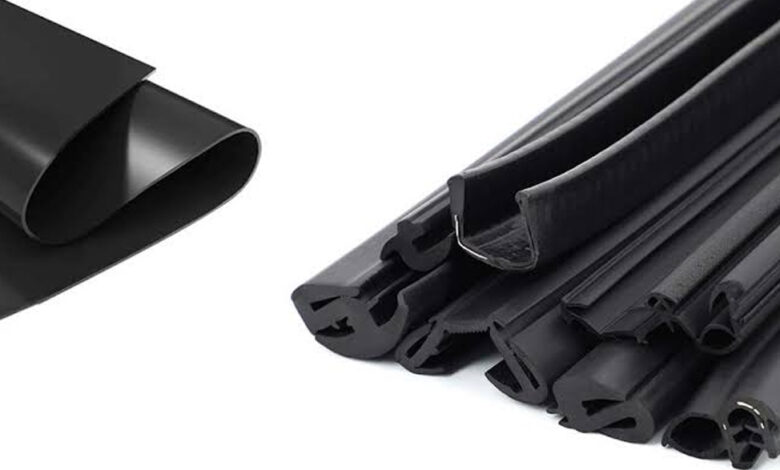
The material is a synthetic rubber made primarily from ethylene, propylene, and a diene component. This composition gives it a useful balance of elasticity, resistance, and long-term stability. Depending on the formulation and manufacturing process, EPDM can be produced in different thicknesses, hardness levels, shapes, and forms to meet specific requirements. It can be supplied as sheets, seals, gaskets, membranes, strips, profiles, and molded components.
Understanding the characteristics of this material can help businesses, contractors, engineers, and property owners determine where it may be suitable. Its performance depends on the specific formulation, installation method, environmental conditions, and intended application, so selecting the appropriate grade is an important part of any project.
What Is EPDM Rubber?
EPDM stands for ethylene propylene diene monomer. It is a synthetic elastomer known particularly for its resistance to weathering and environmental exposure. The material can remain flexible across a broad range of temperatures and is commonly used in applications where long-term outdoor performance is important.
Unlike some rubber materials that can deteriorate relatively quickly when exposed to sunlight or ozone, EPDM has strong resistance to ultraviolet radiation and ozone. This characteristic makes it useful for exterior applications where the material may remain exposed for long periods.
EPDM can also provide good resistance to water and moisture. Its properties make it suitable for sealing and waterproofing applications where preventing water penetration is important. However, the exact performance depends on the product formulation and installation conditions.
The material is available in many forms, allowing manufacturers and contractors to select products according to the physical requirements of a project. Understanding the differences between grades and formulations is essential because not every EPDM product is designed for the same application.
Key Characteristics of EPDM
One of the main advantages of EPDM is its resistance to environmental exposure. It can withstand sunlight, ozone, rain, and many temperature fluctuations without rapidly losing its flexibility or physical integrity.
Flexibility is another important characteristic. Rubber components often need to accommodate movement, vibration, expansion, or contraction without cracking. EPDM can remain elastic under many operating conditions, making it useful for seals, gaskets, membranes, and flexible components.
The material can also offer good resistance to aging. Long-term exposure to outdoor conditions can cause many materials to become brittle, discolored, or cracked, but appropriately formulated EPDM can maintain useful performance for extended periods.
Thermal performance is another reason it is widely used. The material can function across a broad temperature range, although the exact limits depend on the formulation and application.
EPDM in Roofing Applications
One of the most recognized uses of EPDM is roofing. EPDM membranes are commonly used on low-slope and flat roof systems because they can provide a flexible waterproof layer over suitable substrates.
Roof membranes need to withstand continuous environmental exposure. Rain, ultraviolet radiation, temperature changes, and physical movement can all place stress on roofing materials. EPDM’s weather resistance and flexibility make it suitable for many roofing applications.
Roofing systems require more than the membrane itself. Seams, flashing, edges, penetrations, drainage points, and attachment methods all need to be addressed correctly. Even a durable membrane can perform poorly if it is installed incorrectly or if water is allowed to remain around vulnerable areas.
Proper substrate preparation is also important. The surface needs to be suitable for the membrane system, and existing damage or moisture problems should be addressed before installation.
Waterproofing and Moisture Protection
Water management is a major concern in many buildings and structures. Moisture can cause deterioration, mold-related problems, corrosion, and damage to interior finishes if it enters areas that are not designed to remain wet.
EPDM products can be used in certain waterproofing applications because of their resistance to water and flexibility. They can provide a continuous barrier in situations where seams and penetrations are carefully designed and installed.
Waterproofing projects should always consider the complete system rather than relying on a single material. Drainage, substrate condition, joints, transitions, fasteners, and movement all influence long-term performance.
When used appropriately, EPDM can contribute to a durable waterproofing assembly, but the product should always be selected according to the specific environmental and structural requirements of the application.
Automotive Uses
The automotive industry uses EPDM in numerous components because vehicles expose materials to temperature fluctuations, moisture, ozone, vibration, and outdoor conditions. Seals, hoses, weatherstripping, gaskets, and other rubber components can require a material that remains flexible and stable under demanding conditions.
Door and window seals, for example, need to remain flexible while helping prevent water, air, and noise from entering the passenger compartment. Engine and cooling systems may also use rubber components, although the exact material must be selected according to temperature and chemical exposure.
An important consideration is that EPDM is not universally resistant to every automotive fluid. It has good resistance to certain substances but may perform poorly when exposed to petroleum-based oils and fuels. This distinction makes correct material selection essential.
Industrial Applications
Industrial environments often require sealing materials that can withstand vibration, weather exposure, temperature changes, and repeated movement. EPDM products can be used in gaskets, seals, protective covers, flexible connections, and other components.
Factories, processing facilities, equipment manufacturers, and other industrial operations may use rubber components to prevent leaks or isolate moving parts. The specific application determines the required hardness, thickness, elasticity, and chemical resistance.
Industrial users should consult material specifications before selecting EPDM. Factors such as pressure, operating temperature, chemical exposure, mechanical stress, and expected service life should all be considered.Outdoor materials are exposed to environmental conditions that can gradually degrade their properties. Ultraviolet radiation can cause surface deterioration, while ozone can contribute to cracking in certain rubber compounds.
EPDM is particularly valued for its resistance to ozone and ultraviolet exposure. This makes it useful for applications where prolonged outdoor exposure is unavoidable.
However, weather resistance does not mean that the material is completely unaffected by every environmental condition. Physical damage, incorrect installation, chemical exposure, extreme operating conditions, and poor substrate preparation can still reduce service life.Regular inspection can help identify damage early, particularly in roofing and sealing applications where deterioration could allow moisture to enter the underlying structure.
Flexibility and Movement
Buildings and mechanical systems can experience movement caused by temperature changes, vibration, settling, expansion, contraction, and other forces. Rigid materials may crack when subjected to repeated movement, while flexible materials can accommodate certain changes more effectively.
EPDM’s elasticity makes it useful for applications where movement is expected. Seals can compress and recover, membranes can accommodate certain dimensional changes, and flexible components can absorb movement or vibration.
The ability to accommodate movement depends on the design and installation. A material cannot compensate for unlimited movement, and joints must be designed according to the expected conditions.
Choosing the Right Thickness and Form
EPDM products are available in different thicknesses and configurations. Selecting the appropriate product depends on the application and the expected mechanical and environmental demands.
A thin sheet may be suitable for one sealing application, while a thicker membrane may be more appropriate for another use. Profiles, strips, molded components, and custom shapes can also be manufactured to fit specific requirements.Thickness should not be considered in isolation. Hardness, reinforcement, temperature resistance, chemical compatibility, tensile properties, and flexibility may also be important.
Manufacturers typically provide technical specifications that help users compare products. Reviewing these specifications before purchasing can prevent the use of an unsuitable material.
Installation Considerations
Even high-quality EPDM rubber can fail prematurely if it is installed incorrectly. The installation method depends on the specific product and application.
Surfaces generally need to be clean, dry, stable, and free from substances that could interfere with bonding or sealing. Adhesives, primers, tapes, fasteners, or mechanical attachment systems may be used depending on the product.Edges, corners, seams, and penetrations require particular attention because they can become vulnerable points if they are not handled correctly. In roofing applications, for example, membrane transitions around vents and other penetrations require careful detailing.
Following the manufacturer’s installation instructions is essential. Using incompatible adhesives or applying the material under unsuitable conditions can affect performance.
EPDM Versus Other Rubber Materials
Different synthetic rubbers are designed to provide different combinations of properties. EPDM is especially strong in applications involving outdoor exposure, ozone, ultraviolet radiation, and water.
Other rubber types may offer better resistance to petroleum oils, fuels, solvents, or specific chemicals. Therefore, choosing a material simply because it is commonly used may not be appropriate for every application.The correct selection process should begin with the operating environment. Consider what the material will be exposed to, how much movement it must accommodate, the expected temperature range, and the mechanical forces involved.
This approach helps ensure that the material is selected according to performance requirements rather than appearance or familiarity.
Maintenance and Inspection
Although EPDM products are generally known for durability, maintenance should not be ignored. Regular inspections can help identify cuts, punctures, separation, cracking, deformation, or other damage.
Roof membranes should be inspected for physical damage and drainage problems. Standing water, debris, or damage around penetrations may require attention.
Seals and gaskets can also be checked periodically, particularly in mechanical or automotive applications. If a seal becomes damaged or loses its ability to maintain proper contact, replacement may be necessary.Routine maintenance is particularly useful because early intervention can prevent a small defect from developing into a more serious problem.
Environmental and Sustainability Considerations
Durability can contribute to sustainability because a material that remains functional for a long time may not need to be replaced as frequently. Reducing replacement frequency can lower material consumption and associated waste.
EPDM’s long service life in suitable applications is one reason it is widely used in roofing and other long-term installations. However, environmental performance should be evaluated across the entire product life cycle.
Manufacturing processes, transportation, installation materials, maintenance requirements, and end-of-life disposal can all influence environmental impact. Recycling options and waste-handling practices may vary depending on the specific product and local facilities.When sustainability is an important project objective, manufacturers can provide information about product composition, expected service life, environmental certifications, and disposal options.
Common Mistakes When Selecting EPDM
One common mistake is assuming that all EPDM products are identical. Different formulations and manufacturing processes can produce materials with different performance characteristics.Another mistake is failing to consider chemical compatibility. Although EPDM performs well against many environmental conditions, it is not suitable for every chemical or fluid.
Incorrect sizing is another issue. A seal that is too thin, too thick, too loose, or too tightly compressed may not perform as intended. The dimensions should be selected according to the application’s requirements.Installation conditions should also be considered. Poor surface preparation, incompatible adhesives, improper fastening, and inadequate seam treatment can reduce the service life of an otherwise suitable product.
Selecting a Reliable Supplier
When purchasing rubber products for an important application, supplier reliability matters. Product specifications should be clearly documented, and the material should be appropriate for the intended use.Ask for technical information such as temperature ranges, hardness, chemical resistance, tensile properties, elongation, thickness, and recommended applications. This information can help engineers and contractors determine whether the product meets project requirements.
For specialized applications, technical support from the manufacturer or supplier can be particularly useful. They may be able to recommend a suitable grade or explain installation requirements.
Final Thoughts
EPDM rubber is a versatile synthetic material valued for its flexibility, durability, resistance to weathering, and ability to perform in many demanding environments. Its applications range from roofing membranes and waterproofing systems to automotive seals, industrial gaskets, hoses, and specialized components.
The material’s long-term performance depends on selecting the right formulation and using it in an environment that matches its capabilities. Factors such as temperature, chemical exposure, mechanical stress, moisture, ultraviolet radiation, and movement should all be evaluated before installation.
Professional installation is equally important. Proper preparation, compatible adhesives or fastening methods, accurate sizing, careful seam treatment, and appropriate finishing can significantly influence the final result.
For property owners and businesses considering EPDM rubber products, the best approach is to focus on the specific requirements of the application rather than simply selecting the most commonly available option. Technical specifications, manufacturer recommendations, installation procedures, and expected operating conditions should all be considered.
With appropriate selection, installation, and maintenance, EPDM can provide dependable performance for many years. Its combination of flexibility and environmental resistance makes it a valuable material for applications where durability and protection are essential. By understanding its strengths and limitations, users can make more informed material choices and create systems that are designed for reliable long-term performance.