Elderly Care at Home: A Practical Guide to Comfort, Safety, Independence, and Support

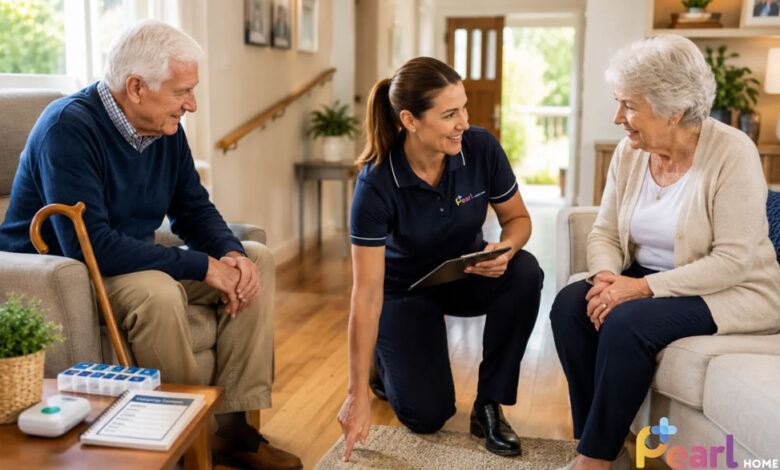
As people grow older, their daily needs can change in ways that require additional support, patience, and thoughtful planning. Some older adults may remain largely independent but benefit from occasional assistance with household tasks, transportation, or appointments, while others may need more consistent help with personal care, mobility, medication routines, meals, and everyday activities. For many families, providing support in a familiar home environment can offer meaningful advantages because it allows an older adult to remain surrounded by familiar belongings, routines, and memories. Effective care, however, involves much more than helping with physical tasks. It also means respecting individual preferences, encouraging independence, maintaining social connections, and creating an environment where safety and dignity remain priorities.
Every older adult has different abilities, preferences, health circumstances, and family support systems. For that reason, a successful care plan should be personalized rather than based on a single standard routine. Some individuals may need only a few hours of assistance each week, while others may require continuous supervision or specialized professional support. Families should regularly review changing needs and adjust the level of assistance accordingly. A thoughtful approach can help caregivers provide appropriate support without unnecessarily taking away an older person’s independence.
Understanding the Different Types of Support
Care for an older adult can involve many different responsibilities, and the appropriate level of support depends on individual circumstances. Basic assistance may include help with cooking, cleaning, laundry, shopping, transportation, and organizing household activities. These services can be especially helpful for people who are physically capable of making their own decisions but have difficulty managing demanding household responsibilities.
Personal assistance may involve bathing, dressing, grooming, toileting, eating, or moving safely around the home. These tasks require sensitivity because they involve personal privacy and dignity. Caregivers should encourage the individual to complete as much of each activity as they can safely manage rather than automatically taking over.
Some older adults may also need assistance with medication organization, appointment scheduling, communication with healthcare professionals, or following established care instructions. These responsibilities can become complicated when several medications or appointments are involved, making organization particularly important.
Professional healthcare services may be required when an older adult has complex medical or rehabilitation needs. Nurses, therapists, and other qualified professionals can provide services within their respective areas of training. Families should distinguish between everyday caregiving and clinical services that require appropriate professional qualifications.
Creating a Safe Home Environment
Safety is one of the most important considerations when supporting an older adult at home. Changes in balance, vision, hearing, strength, or mobility can make previously harmless household conditions more challenging. A home safety assessment can help identify potential hazards and determine which modifications may improve accessibility.
Clutter should be minimized in walking areas, particularly along frequently used routes between bedrooms, bathrooms, kitchens, and living spaces. Loose rugs, electrical cords, unstable furniture, and poorly positioned objects can increase the risk of falls. Lighting should also be sufficient, especially around stairways, entrances, bathrooms, and hallways.
Bathrooms often require additional attention because wet surfaces can become slippery. Grab bars, non-slip surfaces, appropriate seating, and accessible arrangements may help reduce the risk of accidents. The exact modifications should depend on the individual’s mobility and needs rather than being added without consideration.
Stairs can present another challenge. Handrails should be secure, steps should remain clear, and lighting should be adequate. When mobility is significantly limited, families may need to consider whether frequently used activities can be moved to a more accessible level of the home.
Supporting Independence and Dignity
One of the most important principles of elderly care at home is recognizing that assistance should support independence rather than automatically replace it. Older adults may experience frustration if caregivers take control of tasks they can still perform themselves. Maintaining choice and participation can contribute to confidence and a sense of control.
Caregivers can offer assistance while allowing the individual to make reasonable decisions about clothing, meals, daily activities, schedules, and personal preferences. Even small choices can be meaningful. Asking what someone would like to eat or when they prefer to complete a particular activity can make daily care feel more collaborative.
Independence does not mean doing everything without help. It means having appropriate opportunities to participate in decisions and activities while receiving the support necessary to remain safe. A person may be able to prepare part of a meal while needing help with more physically demanding steps, for example.
Caregivers should also communicate respectfully. Speaking directly to the older adult rather than talking about them as though they are not present helps preserve dignity and encourages participation in decisions.
Establishing a Consistent Daily Routine
A predictable daily routine can make everyday life easier to manage. Regular times for waking, meals, personal care, activities, rest, and bedtime can provide structure while still allowing flexibility.
Routines can also help caregivers identify changes in behavior or ability. If an older adult who normally participates in breakfast suddenly becomes unusually tired or confused, the change may be worth noting and discussing with an appropriate healthcare professional.
However, routines should not become unnecessarily restrictive. Older adults should have opportunities for recreation, social interaction, outdoor activities, hobbies, and spontaneous choices when appropriate. A balanced routine combines predictability with flexibility.
Written schedules can be helpful when several family members or professional caregivers share responsibilities. A clear schedule can indicate meal times, appointments, medication reminders, preferred activities, and other important information. This can reduce misunderstandings and provide greater continuity between caregivers.
Nutrition and Hydration
Adequate nutrition and hydration are important parts of supporting an older adult’s general well-being. Appetite, dietary preferences, medication effects, mobility limitations, and other factors can influence eating habits.
Meals should reflect individual preferences and any dietary requirements established by appropriate healthcare professionals. Easy-to-eat foods may be helpful when chewing, swallowing, or using utensils has become difficult, but dietary changes should be based on the individual’s specific needs.
Hydration can also require attention because some older adults may not recognize thirst as strongly as they once did. Caregivers can make fluids readily available and incorporate hydration into regular routines.
Sudden changes in appetite, difficulty swallowing, unexplained weight changes, or repeated difficulty eating should be discussed with an appropriate healthcare professional. These signs may require further evaluation rather than being treated solely as normal effects of aging.
Medication Organization and Safety
Medication management can become challenging when an older adult takes several prescriptions or other recommended products. Confusion about timing, dosage, or medication names can increase the risk of mistakes.
Caregivers can help by maintaining an organized medication list and following the instructions provided by qualified healthcare professionals. Pill organizers or reminder systems may be useful for some individuals, but they should be used appropriately and should not replace professional guidance when medication management is complex.
Medication should never be changed, stopped, or adjusted solely because a caregiver believes it is unnecessary. Questions about side effects, interactions, dosage, or changes in treatment should be directed to the prescribing professional or pharmacist.
A written record can also help caregivers communicate accurately during medical appointments. Keeping information about current medications, allergies, appointments, and relevant instructions in one accessible location can make coordination easier.
Encouraging Social Interaction
Social connection is an important part of quality of life. Older adults who spend long periods alone may experience boredom, loneliness, or reduced engagement. Care plans should therefore include opportunities for meaningful interaction whenever possible.
Family visits, phone calls, video conversations, community activities, hobbies, religious or cultural activities, reading groups, exercise classes, and other social opportunities can provide valuable stimulation. The appropriate activities depend on the person’s interests, abilities, and preferences.
Social engagement should not be forced. Some individuals enjoy frequent interaction, while others prefer quieter routines. The goal is to provide opportunities that are meaningful to the individual.
Hobbies can be particularly useful because they combine enjoyment with mental and sometimes physical activity. Gardening, music, crafts, puzzles, cooking, reading, photography, or familiar games may all be appropriate depending on ability and interest.
Mobility and Physical Activity
Maintaining appropriate physical activity can support strength, balance, flexibility, and general function. The type and intensity of activity should be appropriate for the individual’s abilities and should follow professional guidance when medical or mobility concerns are present.
Simple activities such as walking, stretching, or supervised exercises may be incorporated into daily routines when appropriate. For people with limited mobility, even small amounts of movement can be meaningful when performed safely.
Caregivers should avoid pushing an older adult beyond their abilities. Pain, dizziness, shortness of breath, unusual weakness, or other concerning symptoms should be taken seriously and discussed with an appropriate healthcare professional.
Mobility aids such as walkers, canes, wheelchairs, or transfer equipment should be properly fitted and used according to professional recommendations. Incorrect use can increase rather than reduce the risk of injury.
Emotional Well-Being and Communication
Emotional support is an important part of caregiving. Aging can involve significant life changes, including retirement, reduced mobility, changes in social relationships, and loss of familiar roles. These changes can affect mood and confidence.
Caregivers can provide support by listening, encouraging meaningful activities, and allowing the older adult to express concerns without immediately dismissing them. Regular conversations can also help families notice changes in mood or behavior.
Communication should be patient and respectful. If hearing is difficult, caregivers can face the person while speaking, reduce background noise, and communicate clearly. If communication difficulties exist for other reasons, alternative approaches may be appropriate.
Persistent changes in mood, behavior, sleep, appetite, memory, or social engagement should be discussed with an appropriate healthcare professional. Caregivers should avoid assuming that every significant change is simply a normal part of aging.
Coordinating Family and Professional Caregivers
When several people participate in caregiving, communication becomes essential. Family members may divide responsibilities, while professional caregivers may provide scheduled assistance. Without coordination, important information can easily be missed.
A shared written care plan can identify responsibilities, routines, appointments, dietary considerations, mobility requirements, and other relevant information. Updates should be communicated when the individual’s needs change.
Professional caregivers should understand the boundaries of their responsibilities and qualifications. Clinical tasks should be handled by appropriately qualified professionals, while family members can focus on companionship, household support, and other suitable responsibilities.
Regular communication among everyone involved can improve consistency and reduce unnecessary confusion. It also allows changes in the individual’s needs to be recognized sooner.
Preventing Caregiver Burnout
Caring for an older family member can be rewarding, but it can also be physically and emotionally demanding. Family caregivers may have employment, parenting responsibilities, household duties, and other commitments at the same time.
Trying to handle every responsibility alone can lead to exhaustion. Families should consider sharing tasks where possible and using professional support when appropriate. Respite care can give caregivers time to rest, attend appointments, manage personal responsibilities, or simply recover.
Caregivers should also pay attention to their own well-being. Persistent exhaustion, irritability, sleep problems, or feelings of being overwhelmed may indicate that additional support is needed.Seeking help does not mean a caregiver is failing. Sustainable caregiving requires enough support to meet both the older adult’s needs and the caregiver’s own basic needs.
Reviewing and Adjusting the Care Plan
An older adult’s needs can change over time. A person who initially needs assistance with housekeeping may eventually require help with personal care or mobility. Conversely, rehabilitation or improved confidence may allow someone to regain independence in certain activities.
Care plans should therefore be reviewed periodically. Families can consider whether current support remains appropriate, whether safety modifications are needed, and whether additional professional services should be considered.
Changes in mobility, communication, memory, appetite, mood, sleep, or ability to complete daily activities may warrant a closer evaluation. Keeping records of significant changes can help families communicate more effectively with healthcare professionals.Flexibility is essential. A care plan should provide structure without becoming so rigid that it fails to accommodate changing circumstances.
Conclusion
Providing elderly care at home can allow an older adult to receive meaningful assistance while remaining in a familiar environment. Successful caregiving involves much more than completing household or personal tasks. It requires attention to safety, independence, nutrition, hydration, mobility, communication, social connection, emotional well-being, and changing individual needs.
A safe home environment can reduce preventable hazards, while an organized daily routine can make activities easier to manage. At the same time, caregivers should preserve the individual’s ability to make choices and participate in everyday tasks whenever it is safe to do so. Respectful communication and meaningful social interaction can further support a sense of dignity and connection.
Professional assistance may be appropriate when needs become too complex for family members to manage alone. Nurses, therapists, personal care professionals, and other qualified providers can contribute specialized support within their areas of expertise. Coordinating this assistance with family caregiving can create a more consistent and sustainable approach.
Ultimately, effective elderly care at home should be individualized, flexible, and centered on the older adult’s needs and preferences. Regular assessment, open communication, appropriate safety measures, and a willingness to adjust support as circumstances change can make caregiving more manageable and meaningful. The goal is not simply to provide assistance but to help an older adult maintain as much comfort, dignity, independence, and participation in everyday life as possible.