Sewer Replacement: Understanding the Process, Warning Signs, and Long-Term Benefits

A property’s sewer line plays a critical role in transporting wastewater away from the building and into the appropriate drainage system. Because sewer pipes are usually located underground, problems can remain hidden until they become severe enough to cause noticeable symptoms such as repeated backups, slow drains, foul odors, wet areas in the yard, or unexpected changes in plumbing performance. While some sewer problems can be addressed through cleaning, repairs, or other trenchless techniques, severely damaged or deteriorated pipes may eventually require sewer replacement. Replacing a sewer line is a significant project that requires careful inspection, planning, proper equipment, and attention to surrounding structures and underground utilities. Understanding why sewer lines fail, recognizing warning signs, learning about available replacement methods, and knowing what to expect during the project can help property owners make informed decisions and protect the long-term performance of their plumbing systems.
Understanding the Role of a Sewer Line
The sewer line is responsible for carrying wastewater from a building’s internal plumbing system toward a municipal sewer network, septic system, or another approved wastewater destination. Every toilet, sink, shower, appliance, and other connected fixture depends on this system to remove wastewater efficiently.
Unlike interior plumbing pipes, sewer lines are often buried underground and can extend significant distances from the building. Their location makes inspection and repair more complicated than dealing with an accessible pipe beneath a sink.
Sewer lines must maintain appropriate flow and structural integrity. If a pipe develops cracks, collapses, becomes obstructed by roots, or loses its proper alignment, wastewater may no longer move effectively.Because sewer systems operate continuously, even a small defect can gradually become a major problem if it remains unresolved.
Common Causes of Sewer Line Damage
Sewer lines can deteriorate for many reasons. Age is one of the most common factors because older pipes may be constructed from materials that eventually corrode, crack, shift, or deteriorate.
Tree roots are another frequent concern. Roots naturally seek water and may enter sewer pipes through small cracks or loose joints. Once inside, they can grow and create increasingly severe obstructions.Ground movement can also affect underground pipes. Soil settlement, erosion, changes in moisture, and other environmental factors can cause sections of a sewer line to shift or develop an improper slope.
Heavy vehicles or construction activity above a buried pipe may place additional pressure on certain systems. Poor installation can also contribute to premature failure.Understanding the cause of damage is important because it can influence whether cleaning, repair, or complete replacement is the most appropriate solution.
Warning Signs of Sewer Problems
Sewer problems often produce recognizable warning signs. One of the most common is repeated drain blockage. If multiple fixtures become slow or back up regularly, the issue may be located in the main sewer line rather than an individual drain.Unusual gurgling sounds from toilets or drains can also indicate that wastewater and air are having difficulty moving through the plumbing system.
Persistent foul odors may suggest that wastewater is not flowing correctly or that a damaged pipe is allowing sewer gases to escape.
Wet or unusually green areas in the yard can sometimes indicate an underground sewer leak, particularly when the surrounding area is otherwise dry.Property owners may also notice changes in toilet performance, sewage backups, or water pooling around certain outdoor areas.
These signs do not automatically mean that replacement is necessary, but they should not be ignored.
The Importance of Professional Sewer Inspection
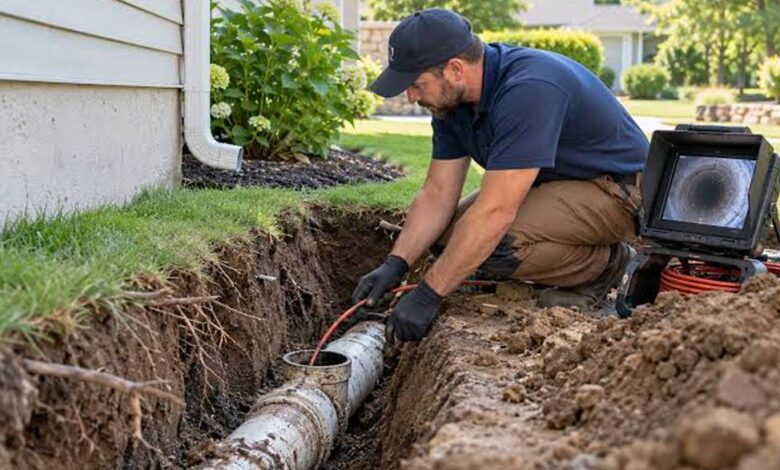
A professional inspection is often the first step in determining the condition of an underground sewer line. Plumbing professionals may use specialized cameras to examine the inside of the pipe without immediately excavating the property.
A camera inspection can reveal cracks, root intrusion, collapsed sections, separated joints, corrosion, heavy buildup, and other defects.It can also help determine the location of a problem. Knowing where damage occurs can reduce unnecessary excavation and help contractors develop a more accurate plan.
Inspection results should be considered alongside the age of the pipe, its material, repair history, and overall condition.In some cases, a damaged section may be repairable. If deterioration is widespread or the pipe has lost its structural integrity, replacement may be more practical.
Repair Versus Replacement
Not every sewer problem requires complete replacement. A relatively small defect in an otherwise healthy pipe may be suitable for localized repair.
Cleaning may be enough when the primary issue is grease, sediment, or root buildup without significant structural damage.Replacement becomes more likely when a sewer line has extensive cracks, multiple failures, severe corrosion, repeated collapses, substantial root intrusion, or widespread deterioration.
Repeated repairs can also become inefficient when a pipe continues failing in different locations.A professional evaluation should consider the entire condition of the line rather than focusing solely on the most obvious defect.
Traditional Sewer Replacement
Traditional replacement generally involves excavating a trench along the path of the existing sewer line. The damaged pipe is exposed, removed, and replaced with new piping.
This method can provide direct access to the entire sewer line and may be appropriate when extensive excavation is already necessary for other reasons.However, trenching can disturb landscaping, driveways, sidewalks, patios, or other surfaces located above the pipe.
The depth and length of the sewer line also influence the complexity of the excavation.Once the new pipe has been installed and tested, the excavation must be properly backfilled and the disturbed surface restored.
Trenchless Replacement Methods
Modern sewer technology can provide alternatives to traditional excavation in suitable circumstances. Trenchless methods are designed to minimize surface disturbance by using existing access points or limited excavation areas.
Pipe bursting is one technique in which the existing pipe is fractured and displaced while a new pipe is pulled into its position. This can be useful when the existing path is suitable and surrounding conditions permit.
Another approach involves installing a new liner inside an existing pipe. The liner forms a new pipe within the old one after being properly positioned and cured.
The suitability of trenchless methods depends on pipe condition, diameter, alignment, access, soil conditions, and the specific technology being used.
Benefits of Trenchless Technology
One of the major advantages of trenchless sewer work is reduced surface disruption. When appropriate, the process may require fewer excavation points than conventional replacement.
This can help preserve landscaping, driveways, walkways, and other features above the sewer line.Trenchless approaches may also reduce the amount of soil that must be removed and transported.
However, trenchless methods are not appropriate for every property or every damaged sewer. A collapsed, severely misaligned, or inaccessible pipe may require traditional excavation.Property owners should therefore evaluate trenchless technology based on the actual condition and configuration of their sewer line rather than assuming that it is always the better option.
Tree Root Intrusion
Tree roots can be one of the most persistent causes of sewer problems. Small cracks or gaps in pipe joints can allow roots to enter in search of moisture.
Once inside, roots can grow rapidly and trap wastewater, paper, grease, and other debris. This may create recurring blockages even after the roots are temporarily removed.If root intrusion is extensive and the pipe itself is damaged, replacing the affected section may provide a more durable solution.
Before planting new trees, property owners should also consider mature root growth and the location of underground plumbing. Choosing suitable planting locations can reduce future conflicts between roots and sewer infrastructure.
Pipe Material and Age
Sewer pipes have historically been manufactured from different materials, including clay, cast iron, concrete, PVC, and other products. Each material has different characteristics and potential failure patterns.
Older clay pipes may develop cracks or displaced joints, while cast iron can experience corrosion and deterioration over time.
Modern plastic piping is generally designed to resist many forms of corrosion, although it can still be damaged by ground movement, improper installation, external pressure, or other factors.Knowing the material and approximate age of the sewer line can help professionals evaluate its expected condition and determine appropriate replacement options.
Preparing for Sewer Replacement
Before work begins, the contractor should develop a clear plan for accessing the sewer line and protecting surrounding property. Underground utilities must be identified before excavation or other intrusive work takes place.
The location of the existing sewer should be confirmed, along with its depth, direction, connection points, and discharge destination.Property owners should also discuss access requirements, project duration, surface restoration, debris removal, and any necessary permits or inspections.
If landscaping, paving, fencing, or other features must be temporarily removed, the restoration process should be discussed in advance.Good preparation can reduce delays and unexpected complications.
Protecting Underground Utilities
Sewer replacement projects can involve excavation near water lines, electrical cables, gas lines, communication infrastructure, irrigation systems, and other buried utilities.
Accidentally damaging an underground utility can create serious safety hazards, service interruptions, and additional costs.For this reason, appropriate utility-location procedures should be followed before excavation begins.
Contractors should also work carefully around known utility crossings and follow applicable safety requirements.Property owners should provide any available information about private underground systems, such as irrigation or landscape lighting, because not every privately installed line may be identified through standard public utility marking services.
The Installation Process
Once the damaged sewer line has been exposed or the appropriate trenchless access points have been prepared, the replacement pipe can be installed according to the selected method.
Proper slope and alignment are essential because wastewater depends on gravity and appropriate flow characteristics in many sewer systems.Connections should be secure and appropriately sealed to reduce the risk of infiltration and leakage.
After installation, the new line should be inspected and tested before the project is considered complete.The surrounding excavation can then be backfilled and compacted appropriately if traditional excavation was used.
Testing the New Sewer Line
Testing helps verify that the replacement system is functioning as intended. Depending on the project, testing may involve camera inspection, flow testing, leak testing, or other appropriate procedures.
A final camera inspection can be particularly useful because it provides visual confirmation of the new pipe’s interior condition and connections.Testing may also identify issues such as improper alignment, incomplete connections, or unexpected obstructions.
Property owners should ask the contractor what testing is included in the project and whether documentation will be provided.
Restoring Landscaping and Surfaces
Traditional sewer replacement can disturb the ground above the pipe. Landscaping, lawns, gardens, driveways, walkways, and other features may need to be removed temporarily.
Restoration should be planned as part of the overall project rather than treated as an afterthought.Soil should be properly placed and compacted to reduce future settlement. Landscaping can then be replanted or replaced once the ground has stabilized appropriately.
If concrete, asphalt, pavers, or other hard surfaces are affected, the contractor should explain whether surface restoration is included or requires a separate provider.A clear understanding of restoration responsibilities can help prevent disputes after the plumbing work is complete.
Understanding Sewer Replacement Costs
The cost of sewer replacement can vary significantly depending on several factors. These include the length and depth of the sewer line, pipe material, accessibility, soil conditions, replacement method, surface restoration requirements, and the extent of damage.
Traditional excavation may involve additional costs for removing and restoring landscaping or hard surfaces. Trenchless methods may reduce surface disruption but can require specialized equipment and technology.
Additional expenses may arise if the project involves difficult access, utility conflicts, extensive root intrusion, unusual pipe configurations, or unexpected structural conditions.Property owners should request detailed estimates that explain the scope of work, materials, labor, excavation, restoration, testing, and any potential additional charges.
Choosing a Sewer Replacement Contractor
Selecting an experienced contractor is important because underground sewer work requires specialized knowledge and equipment. Property owners should consider qualifications, insurance, experience with the proposed replacement method, customer reviews, and the clarity of the written estimate.
A contractor should ideally inspect the sewer before recommending complete replacement. Property owners can ask to see inspection findings and request an explanation of why replacement is necessary.
It is also useful to ask whether the company provides trenchless options, traditional excavation, camera inspection, testing, and surface restoration.
A detailed contract should identify the work being performed, materials being used, expected project stages, warranty information, and restoration responsibilities.
Common Mistakes to Avoid
One common mistake is assuming that every recurring blockage means the entire sewer line needs replacement. Cleaning and camera inspection can provide important information before a major project is authorized.
Another mistake is choosing a contractor based solely on the lowest estimate. A very low price may not include necessary excavation, restoration, testing, or other project components.
Property owners should also avoid ignoring recurring sewer symptoms. Frequent backups can allow water damage and sanitation problems to develop.Failing to address tree-root intrusion or structural defects can also result in repeated repairs.
Finally, property owners should not begin excavation without confirming underground utility locations and appropriate safety requirements.
Preventing Future Sewer Problems
Once a new sewer line has been installed, proper maintenance can help protect it. Grease, cooking oil, unsuitable wipes, chemicals, and other inappropriate materials should not be introduced into the drainage system.
Trees and large plants should be positioned carefully so their mature root systems do not interfere with underground plumbing.Property owners should also pay attention to early warning signs such as slow drains, recurring backups, unusual odors, and changes in toilet performance.
Periodic inspections may be useful for properties with older infrastructure or a history of sewer problems.Good maintenance cannot prevent every failure, but it can reduce avoidable stress on the drainage system and help identify problems earlier.
Environmental and Property Considerations
Sewer replacement can involve substantial excavation, material removal, and surface disruption, so careful planning can help reduce unnecessary environmental impact.
Contractors may need to manage excavated soil, damaged pipe sections, debris, and other construction materials appropriately.
Trenchless methods may reduce surface disturbance in suitable conditions, while traditional excavation may be necessary for certain projects.
Property owners can also consider the long-term layout of landscaping and hardscaping after replacement. Avoiding future construction directly over critical access points may make future inspections or maintenance easier.
Final Thoughts
Sewer replacement is a major plumbing project, but it can provide a long-term solution when underground sewer pipes have reached the point where cleaning or localized repairs are no longer practical. Cracks, corrosion, collapsed sections, root intrusion, ground movement, and aging materials can all contribute to sewer line failure.
Recognizing warning signs such as recurring backups, slow drainage, unpleasant odors, wet areas in the yard, and unusual plumbing sounds can help property owners seek professional assessment before the problem becomes more severe.
A camera inspection is often an important part of the evaluation because it can reveal the condition and location of damage without unnecessary excavation. Based on the findings, a professional may recommend cleaning, localized repair, traditional excavation, or a trenchless replacement method.
When replacement is necessary, careful planning is essential. Underground utilities must be identified, access must be established, and the appropriate pipe material and installation method should be selected. After installation, testing and inspection can help verify that the new sewer system is functioning correctly.
The cost of sewer replacement depends on the project’s size, depth, accessibility, replacement method, pipe condition, and restoration requirements. Property owners should obtain detailed estimates and understand exactly what services are included before work begins.
With proper assessment, experienced installation, appropriate materials, and regular maintenance, a new sewer line can provide reliable wastewater transportation for many years. Addressing problems promptly and investing in a well-planned solution can help protect the property from repeated backups, water damage, sanitation concerns, and unexpected plumbing disruptions.