
A boiler plays an important role in many properties by providing heat and, in some systems, hot water for everyday use. When a boiler operates properly, it can provide consistent warmth and reliable performance without requiring much attention from the occupants. However, like any mechanical system, a boiler can develop problems over time. Strange noises, inconsistent temperatures, unusual odors, pressure changes, leaks, and unexpected shutdowns may indicate that something requires professional attention. Recognizing these warning signs early can help prevent minor issues from becoming more complicated and expensive problems.
Boiler repair is an important service for maintaining the safety, efficiency, and reliability of a heating system. Boilers contain several components that work together, including burners, heat exchangers, pumps, valves, thermostats, pressure controls, expansion vessels, and safety devices. A problem with one component can affect the performance of the entire system. Because boilers may involve gas, electricity, pressurized water, and high temperatures, repairs should generally be performed by appropriately qualified professionals rather than attempted without the necessary training.
Understanding common boiler problems can help property owners recognize when professional assistance is needed. It can also help them maintain their systems more effectively and make informed decisions about repairs, maintenance, and eventual replacement. A well-maintained boiler is more likely to operate efficiently, provide dependable heat, and deliver a comfortable indoor environment throughout the heating season.
Understanding How a Boiler Works
A boiler heats water or another suitable fluid and distributes the resulting heat throughout a property. In a typical heating system, heated water travels through pipes to radiators, underfloor heating systems, or other heat-emitting equipment. After releasing heat, the cooler water returns to the boiler to be reheated.
Some boilers also provide domestic hot water. The exact configuration depends on the type of boiler and the property’s heating design. Modern systems may include sophisticated electronic controls that regulate temperature, monitor pressure, and adjust operation according to demand.
Because multiple components must operate together, a malfunction can originate in several different places. A thermostat problem, for example, may prevent the boiler from receiving the correct signal, while a circulation pump problem may cause inadequate heat distribution. Understanding the overall system helps explain why professional diagnosis is often necessary.
Recognizing Common Boiler Problems
Boiler problems can appear in many forms. One of the most noticeable signs is a lack of heat or hot water. A boiler may run without producing sufficient warmth, or it may repeatedly turn itself off before reaching the desired temperature.
Other warning signs include unusual banging, whistling, humming, or gurgling sounds. Some noises may be caused by trapped air, low water pressure, restricted circulation, or deposits within the system.
Leaks are another important concern. Water around the boiler, pipes, valves, or nearby components should not be ignored. Even a small leak can eventually cause damage to surrounding materials.Changes in pressure can also indicate an issue. Boiler pressure that repeatedly falls or rises beyond the recommended range may require professional investigation.
Why Boiler Maintenance Matters
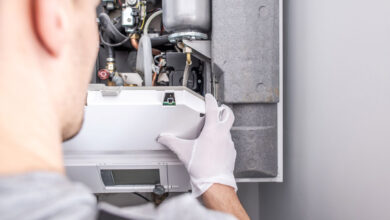
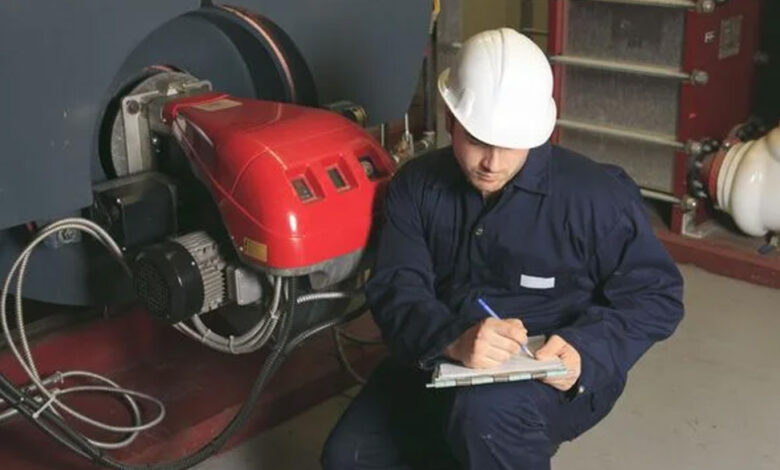
Routine maintenance can help identify developing problems before they cause an unexpected breakdown. During a professional service visit, a qualified technician can inspect important components, check operating conditions, identify signs of wear, and make appropriate adjustments.
Maintenance may also help the system operate more efficiently. Components that are dirty, worn, poorly adjusted, or malfunctioning can affect energy consumption and heating performance.
Regular maintenance is particularly valuable before periods when the heating system will be used heavily. Identifying a problem before peak demand can reduce the likelihood of an inconvenient failure.Property owners should follow the manufacturer’s maintenance recommendations and arrange professional servicing when required.
Understanding Boiler Pressure
Pressure is an important part of many closed heating systems. A boiler that loses pressure repeatedly may have a leak, a problem with the expansion vessel, a faulty pressure relief component, or another underlying issue.
Excessive pressure can also create problems. Modern boilers generally include safety mechanisms designed to control pressure, but unusual readings should still be investigated.
Property owners should consult the boiler manufacturer’s instructions to understand the normal operating range for their particular system. If pressure changes frequently or reaches an abnormal level, professional assessment is advisable.
Repeatedly topping up a system without identifying why pressure is being lost may only provide a temporary solution.
Addressing Unusual Boiler Noises
A boiler should not normally produce loud or persistent unusual sounds. Different noises can have different causes, so identifying the sound accurately can help a technician diagnose the issue.
Banging sounds may sometimes be associated with restricted water flow or deposits, while gurgling can indicate trapped air or circulation problems. Whistling may also have several possible causes.
Attempting to diagnose internal components based solely on sound can be unreliable. A qualified professional can inspect the system and determine whether cleaning, adjustment, component replacement, or another intervention is required.Ignoring persistent noises can allow an underlying problem to worsen.
Dealing With Heating Inconsistency
Uneven heating can indicate several different problems. Some rooms may remain cold while others become excessively warm, or radiators may not heat evenly.
Possible causes can include circulation problems, trapped air, thermostat issues, blocked components, system balancing problems, or insufficient boiler performance.
A professional can evaluate the system as a whole rather than assuming the boiler itself is the only problem.In some situations, the issue may involve the distribution network rather than the boiler. Proper diagnosis helps prevent unnecessary replacement of functioning components.
Thermostat and Control Problems
Modern heating systems rely on thermostats and electronic controls to regulate temperature. If a thermostat is inaccurate or malfunctioning, the boiler may cycle incorrectly or fail to respond to temperature changes.
Control problems can sometimes appear as heating that starts and stops unexpectedly, rooms that do not reach the selected temperature, or a system that continues operating longer than necessary.
Technicians can test controls and wiring where appropriate and determine whether the issue is related to the thermostat, boiler, or another component.Replacing a control device may resolve the problem, but the underlying cause should be confirmed first.
Boiler Leaks and Water Damage
Water leaks should always receive prompt attention. Depending on the location and severity of a leak, water can damage flooring, walls, cabinets, electrical components, and other nearby materials.
A leak may originate from a valve, connection, pipe, seal, pressure relief component, or internal boiler part. Determining the exact source may require professional inspection.If water is accumulating around electrical equipment, occupants should avoid touching potentially dangerous components and seek qualified assistance.
Addressing leaks early can help reduce property damage and prevent the boiler from losing pressure or operating improperly.
The Importance of Professional Diagnosis
A boiler contains interconnected components, and the symptoms of one problem can sometimes resemble those of another. For example, inadequate heating could result from a circulation problem, control issue, low pressure, or another mechanical fault.
Professional diagnosis involves inspecting the system, testing relevant components, and determining the underlying cause before recommending a solution.
This approach is preferable to replacing parts based on assumptions. Unnecessary component replacement can increase costs without resolving the actual issue.A qualified technician can also identify safety concerns that may not be obvious to the property owner.
Gas Boiler Safety
Gas-powered boilers require particular attention because incorrect combustion or ventilation can create serious safety hazards. Carbon monoxide is a colorless and odorless gas that can be produced when fuels do not burn properly.
Boilers and associated flues should therefore be inspected and maintained by appropriately qualified professionals. Ventilation systems should not be blocked or modified without professional guidance.
If a person suspects a gas leak or carbon monoxide problem, they should follow appropriate emergency procedures and seek immediate professional assistance.Safety should always take priority over attempting to troubleshoot a gas appliance independently.
Electrical Components and Controls
Many modern boilers depend on electrical power for controls, pumps, ignition systems, fans, sensors, and other components. Electrical faults can therefore prevent a boiler from starting or cause repeated shutdowns.
Burning smells, visible damage, sparks, repeated circuit trips, or unusual electrical behavior should be treated seriously.
Property owners should not remove covers or attempt internal electrical repairs unless they have the appropriate qualifications.A trained professional can safely test electrical components and determine whether repair or replacement is necessary.
Improving Boiler Efficiency
A properly functioning boiler can provide heat more efficiently than a system with neglected maintenance or malfunctioning components. Efficiency can be affected by several factors, including system condition, controls, insulation, circulation, and heating demand.
Regular servicing can help identify issues that cause unnecessary energy use. Thermostatic controls and programmable settings can also help manage heating according to occupancy and comfort requirements.
Insulating suitable pipes and improving the building’s overall insulation can further reduce heat loss.Efficiency improvements should consider the entire heating system rather than focusing only on the boiler.
When a Boiler Needs Repair
There are several situations in which professional boiler repair may be appropriate. Persistent leaks, repeated shutdowns, unusual noises, pressure problems, inadequate heating, error codes, and ignition failures are all reasons to seek professional evaluation.
A repair may involve replacing a worn component, correcting a connection, cleaning an internal part, adjusting controls, resolving a circulation issue, or addressing another identified fault.
The appropriate repair depends on the diagnosis. Property owners should avoid assuming that every problem requires a complete boiler replacement.In many cases, a well-maintained boiler can continue providing reliable service after a suitable repair.
Repair Versus Replacement
Sometimes repair is practical, while in other situations replacement may make more sense. Factors such as the boiler’s age, condition, efficiency, repair history, availability of replacement parts, and expected future performance can influence the decision.
A relatively minor fault on a newer system may be straightforward to repair. An older system requiring frequent repairs may eventually become less economical to maintain.
Property owners should request a clear explanation of the problem and available options before making a major decision.A professional can compare the current condition of the system with the expected benefits and costs of replacement.
Preparing for Professional Service
Before a technician arrives, property owners can gather useful information about the boiler. The model, approximate age, error messages, unusual noises, recent performance changes, and previous repairs can all help with diagnosis.
If the boiler has stopped working, it may also be useful to note when the failure occurred and whether other parts of the heating system are affected.The surrounding area should be accessible so the technician can inspect relevant components safely.
Clear communication about the symptoms can help the professional begin with useful information rather than relying entirely on trial and error.
Preventing Unexpected Breakdowns
Preventive maintenance is one of the most practical ways to reduce unexpected boiler failures. Annual or manufacturer-recommended servicing can help identify worn components and developing problems.
Property owners should also pay attention to changes in performance. A boiler that takes longer to heat a property, cycles unusually, produces new noises, or repeatedly loses pressure may be showing early signs of trouble.
Addressing these symptoms promptly can sometimes prevent a more significant breakdown.Regular maintenance should also include attention to the broader heating system, including radiators, pipes, controls, pumps, and insulation.
Keeping the Boiler Area Clear
The area around a boiler should remain accessible and appropriately ventilated. Storage boxes, clothing, cleaning products, and other items should not obstruct ventilation openings or access points.
Combustion appliances require suitable airflow, and restricted ventilation can create safety and performance concerns.Keeping the area organized also makes inspections and maintenance easier.
Property owners should follow the manufacturer’s requirements regarding clearance and ventilation rather than using the boiler area as general storage space.
Understanding Error Codes
Modern boilers often display error codes when a fault is detected. These codes can provide useful information to a qualified technician.
However, an error code does not always identify the exact failed component. It may indicate a broader system condition, such as low pressure, ignition failure, overheating, or a sensor problem.
Property owners should record the displayed code and consult the manufacturer’s instructions. If the issue persists, professional diagnosis may be necessary.Repeatedly resetting the boiler without understanding the reason for the shutdown may delay necessary repairs.
The Value of Regular Inspections
Regular inspections can help maintain the overall condition of a heating system. A technician can look for corrosion, leaks, worn components, unusual combustion behavior, pressure problems, and other concerns.Early detection is valuable because smaller issues may be easier to resolve before they affect additional components.
Inspection schedules should reflect the manufacturer’s recommendations, system age, usage, and relevant safety requirements.Keeping service records can also help property owners track repairs and identify recurring problems.
Choosing a Qualified Technician
Selecting a qualified professional is an important part of maintaining a safe heating system. Property owners should consider appropriate licensing or certification requirements, experience with the specific type of boiler, insurance, service availability, and reputation.
A reputable technician should be able to explain the identified problem, describe the recommended repair, and provide relevant information about costs and follow-up maintenance.
Property owners should be cautious of anyone who recommends major component replacement without properly diagnosing the fault.Good communication and transparent service practices can make the repair process more straightforward.
Long-Term Boiler Care
A boiler should be viewed as part of an entire heating system rather than as an isolated appliance. Radiators, pipes, controls, pumps, insulation, and thermostats all contribute to the system’s performance.
Regular maintenance of the broader system can improve reliability and help the boiler operate under appropriate conditions.
Property owners can also improve efficiency by reducing unnecessary heat loss, maintaining suitable temperature settings, and addressing drafts or inadequate insulation.Long-term care can extend the useful life of heating equipment while supporting consistent indoor comfort.
Conclusion
A dependable boiler can provide essential warmth and hot water, but like any mechanical appliance, it requires appropriate maintenance and timely attention when problems develop. Unusual noises, pressure fluctuations, leaks, inconsistent heating, error codes, and repeated shutdowns should not be ignored.
Professional boiler repair can address a wide range of faults, from control problems and circulation issues to leaks, electrical faults, and worn components. Because boilers can involve gas, electricity, high temperatures, and pressurized systems, repairs should be handled by appropriately qualified professionals.
Preventive maintenance is equally important. Regular servicing, attention to unusual changes in performance, proper ventilation, and maintenance of the wider heating system can reduce the likelihood of unexpected breakdowns.
When a fault does occur, accurate diagnosis is essential. Repairing the correct component can restore performance without unnecessarily replacing an otherwise serviceable system. In other cases, replacement may be more practical, particularly when an older boiler has developed repeated or costly problems.
By treating boiler repair as part of a broader maintenance strategy rather than simply an emergency service, property owners can protect their heating investment and improve system reliability. Professional inspections, timely repairs, and sensible maintenance practices can help keep a boiler operating safely and efficiently for years to come.