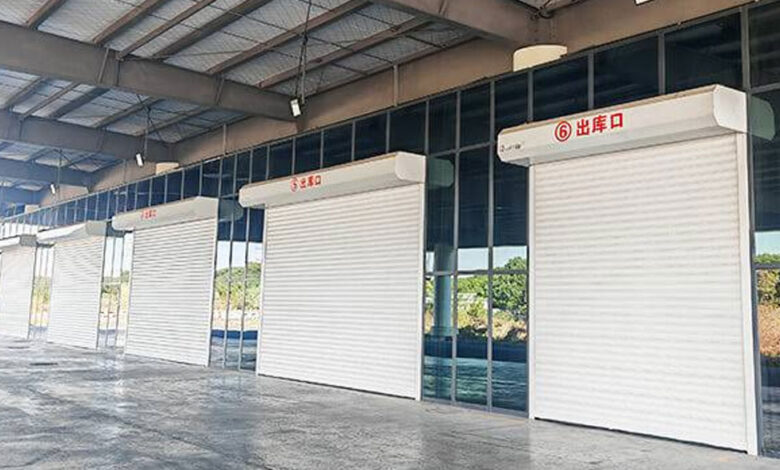

A roll-up door is an important part of many commercial, industrial, storage, and service facilities because it provides convenient access while helping protect valuable equipment, inventory, vehicles, and work areas. Unlike traditional doors that swing outward or inward, roll-up doors move vertically and coil or roll above the opening. This design allows businesses and property owners to make better use of available space while maintaining a practical and secure entry system. However, the performance, durability, and safety of a roll-up door depend heavily on selecting the right door, preparing the opening correctly, and following proper installation practices.
Professional roll up door installation involves much more than simply attaching a door to a wall. The process requires accurate measurements, suitable hardware, proper alignment, secure mounting, and careful testing of the operating mechanism. A small mistake during installation can affect how smoothly the door opens and closes, increase wear on components, or create unnecessary safety risks. For this reason, understanding the installation process and the factors involved can help property owners make informed decisions and avoid costly problems in the future.
Understanding Roll-Up Doors
Roll-up doors are designed to provide a practical solution for openings where space, durability, and frequent access are important considerations. The door curtain consists of connected slats or panels that move upward and wrap around a barrel or coil positioned above the opening. Depending on the design, the door may be operated manually, with a chain mechanism, or through an electric motor and control system.
These doors are available in different materials, sizes, finishes, and configurations. Steel is commonly selected when strength and durability are priorities, while aluminum may be preferred when reduced weight and corrosion resistance are important. Some doors are designed for high-frequency use, while others are intended for occasional operation in storage areas or smaller facilities. The appropriate choice depends on the opening dimensions, operating frequency, security requirements, environmental conditions, and available budget.
Because roll-up doors come in many configurations, choosing a suitable model before installation is essential. A door that is too heavy for its operating mechanism may experience premature wear, while a door that is not appropriately sized can create alignment and sealing problems. Understanding the intended use of the door helps ensure that the selected system is compatible with the building and the demands placed on it.
Why Proper Installation Matters
Correct installation has a direct effect on the reliability and service life of a roll-up door. When components are properly aligned and securely fastened, the door can move through its operating cycle with less resistance. Proper installation also reduces unnecessary stress on springs, tracks, bearings, brackets, guides, and other mechanical components.
An improperly installed door may produce unusual noises, move unevenly, become difficult to operate, or fail to close completely. In more serious situations, incorrect mounting or adjustment can create safety hazards. For example, poorly secured components may loosen over time, while incorrect spring tension can interfere with balanced operation. These issues demonstrate why installation should be treated as a technical process rather than a simple construction task.
Professional roll up door installation also helps ensure that the door is fitted according to the manufacturer’s specifications. Manufacturers typically provide specific requirements for mounting surfaces, clearances, hardware, spring systems, motor components, and safety features. Following these requirements is important because the design of one door system may differ significantly from another.
Preparing the Opening
Before installation begins, the opening must be inspected and prepared. Accurate measurements are among the most important steps in this stage. The width and height of the opening should be measured carefully, along with the available space above the opening and on both sides. Measurements should be taken at multiple points because walls and structural openings are not always perfectly square.
The mounting surface should also be examined for strength and stability. Roll-up doors can be heavy, particularly larger commercial models, and the supporting structure must be capable of carrying the associated load. If the mounting surface is weak, damaged, uneven, or unsuitable for the required hardware, corrective work may be necessary before the door can be installed.
The surrounding area should be cleared of unnecessary obstacles, equipment, stored materials, and debris. Adequate working space makes installation easier and reduces the likelihood of accidental damage. Electrical requirements should also be considered when installing a motorized door. Power supplies, control switches, sensors, and other electrical components should be planned before the installation work begins rather than added as an afterthought.
Selecting the Right Door Size
Door sizing is one of the most important decisions in the entire process. A roll-up door should fit the opening while providing the clearance necessary for proper operation. Choosing a door based solely on the opening width and height may not be sufficient because the system also requires space for the barrel, brackets, guides, and operating components.
The intended traffic should also influence the selection. A door used several dozen times each day may require a different configuration from one that is opened only occasionally. High-cycle environments can place significant demands on springs, motors, bearings, and other moving components. Selecting a system designed for the expected frequency of operation can help reduce premature component failure.
Security is another consideration. If the door protects valuable equipment or inventory, the construction, locking mechanism, material thickness, and overall design should be evaluated carefully. In areas exposed to weather, additional attention should be given to corrosion resistance, seals, insulation, and drainage.
Essential Installation Components
A roll-up door consists of several components that work together as one operating system. The door curtain is the visible portion that covers the opening, while guides help control its vertical movement. The barrel supports the curtain as it rolls upward, and brackets hold the barrel assembly in position.
Springs are used in many systems to counterbalance the weight of the door. This makes the door easier to operate and helps the mechanism function smoothly. Because springs can store significant amounts of energy, they should be handled carefully and adjusted only by individuals with appropriate training and experience.
For motorized systems, additional components may include an electric operator, control station, safety sensors, emergency release mechanisms, wiring, and limit controls. Each part must be installed according to the system’s design. A failure in one component can affect the operation of the entire door, which is why careful assembly and testing are essential.
The Installation Process
The installation process generally begins with positioning the guides or side components around the opening. These parts need to be installed straight and properly aligned because they control the movement of the door curtain. If the guides are tilted or uneven, the curtain may rub against one side, move slowly, or become difficult to operate.
The barrel assembly is then positioned and secured above the opening. The brackets must be firmly attached to suitable structural surfaces because they support the weight and movement of the door system. Once the barrel is properly positioned, the curtain can be connected according to the manufacturer’s instructions.
The spring or counterbalance system is then configured so that the door has appropriate balance. This is a critical stage because incorrect tension can affect both manual and motorized operation. The curtain should move smoothly through the guides without excessive resistance.
For motorized doors, the operator is mounted and connected to the appropriate control components. Limits must be adjusted so the door stops at the intended fully open and fully closed positions. Safety devices should also be installed and tested to verify that the system responds correctly when an obstruction or other unsafe condition is detected.
Safety Considerations
Safety should remain a priority throughout the installation process. Roll-up doors contain moving components and, in many designs, tensioned springs that can present serious hazards if handled incorrectly. Anyone performing installation work should follow the manufacturer’s safety instructions and use appropriate protective equipment.
The work area should be kept clear while components are being assembled and adjusted. Tools and loose materials should not be left where they could interfere with the door’s movement. When electrical components are involved, power should be handled according to appropriate electrical safety procedures.
After installation, the door should be tested several times under controlled conditions. The installer should observe whether the curtain moves evenly, whether the door stops correctly, and whether safety features function as intended. Any unusual noise, vibration, resistance, or uneven movement should be investigated rather than ignored.
Manual and Motorized Options
Roll-up doors may be operated manually or with an electric motor. Manual systems can be practical for smaller openings or applications where the door is not used frequently. They are generally straightforward in design and may require less electrical infrastructure.
Motorized systems are useful when the door is large, heavy, or operated frequently. Electric operation can make opening and closing more convenient and can also support additional control features. Depending on the system, users may be able to operate the door through wall-mounted controls, remote devices, access systems, or automated controls.
The choice between manual and motorized operation should be based on the door’s size, frequency of use, user requirements, and available infrastructure. Installing a motor on a door that is not designed for that operating method can cause problems, so compatibility should always be confirmed before installation.
Common Installation Mistakes to Avoid
Several common mistakes can reduce the performance of a roll-up door. One of the most frequent is inaccurate measurement. Even a relatively small measurement error can affect how the door fits within the opening. Taking multiple measurements and confirming dimensions before ordering or installing the door can prevent unnecessary adjustments.
Another mistake is failing to inspect the supporting structure. A door may be correctly assembled but still perform poorly if the brackets are attached to an unsuitable surface. The structure must be strong enough to support the system and resist the forces generated during operation.
Improper alignment is another major concern. Guides, brackets, and the barrel need to be positioned accurately. If one component is out of alignment, the problem can affect the entire door. Attempting to compensate for poor alignment by forcing components into position can create additional stress and premature wear.
Incorrect spring adjustment is also a serious issue. Springs should not be treated as ordinary hardware because they can contain substantial stored energy. Adjustments should follow the manufacturer’s specifications and should be performed by appropriately trained personnel.
Benefits of Professional Installation
Choosing professional roll up door installation can provide several practical benefits. Experienced installers understand how to measure openings, evaluate structural conditions, assemble components, and adjust operating systems. They can also identify potential problems before installation is completed.
Professional installation may help reduce the likelihood of alignment problems, operating difficulties, and premature component wear. It can also ensure that safety features are installed and tested correctly. When the door is part of a busy commercial or industrial operation, reliable installation can reduce interruptions caused by avoidable mechanical problems.
Another advantage is that professional installers are familiar with different door configurations and can work according to manufacturer requirements. This can be particularly valuable when installing larger or more complex systems involving motors, safety sensors, specialized hardware, or high-cycle components.
Maintenance After Installation
Even a properly installed roll-up door requires routine maintenance. Regular inspection can help identify worn or damaged components before they become major problems. The guides should be checked for debris and damage, while the curtain should be examined for dents, corrosion, loose connections, or other visible issues.
Moving components may require lubrication according to the manufacturer’s recommendations. However, not every component should be lubricated with the same product, and excessive lubrication can sometimes attract dust and debris. Maintenance procedures should therefore follow the instructions provided for the specific door system.
The balance and operation of the door should also be monitored. If the door suddenly becomes heavier, moves unevenly, makes unusual sounds, or does not stop correctly, it should be inspected. Continuing to operate a malfunctioning door can increase damage and create safety concerns.
Motorized systems require additional checks. Safety sensors, control switches, emergency release mechanisms, wiring, and limit settings should be inspected periodically. A door that opens and closes correctly but has a nonfunctional safety feature is not operating as it should.
When Repairs or Replacement May Be Necessary
Not every problem requires complete door replacement. Minor issues such as damaged guides, worn hardware, loose fasteners, or certain operational adjustments may be addressed through repairs. However, extensive corrosion, significant structural damage, repeated mechanical failures, or an outdated operating system may justify replacement.
The decision should consider the condition and age of the door, repair costs, frequency of problems, safety requirements, and the availability of replacement components. A door that repeatedly requires expensive repairs may become less practical than a newer system designed for the current demands of the facility.
It is also important to address problems promptly. A small mechanical issue can become more serious if the door continues to operate under abnormal conditions. Early inspection can often identify the cause before additional components are damaged.
Improving Efficiency and Long-Term Performance
The performance of a roll-up door depends on more than its initial installation. Proper operation, regular maintenance, and timely repairs all contribute to long-term reliability. Users should avoid forcing a door when it encounters resistance because excessive force can damage the curtain, guides, motor, or other components.
Keeping the operating area clean is another simple but effective measure. Dirt, packaging materials, tools, and other objects can interfere with the door’s movement. In environments where dust or debris is common, more frequent inspections may be appropriate.
It is also helpful to train employees or regular users on proper operation. Users should know how to recognize unusual noises, movement, or warning signs. They should also understand that a door should not be used if a major safety or mechanical problem is visible.
Final Thoughts
A roll-up door can provide convenient access, efficient use of space, security, and dependable performance when the right system is selected and properly installed. However, achieving those benefits requires attention to measurements, structural support, component compatibility, alignment, operating mechanisms, and safety features.
Professional roll up door installation can help ensure that the system is assembled and adjusted correctly from the beginning, reducing the risk of avoidable problems and supporting reliable long-term operation. Once installed, the door should be maintained through routine inspections, appropriate cleaning, recommended lubrication, and timely repairs.
Whether the door is intended for a storage area, commercial facility, workshop, warehouse, or another application, careful planning is the foundation of a successful installation. Selecting the correct configuration, preparing the opening properly, using compatible components, and following manufacturer instructions can make a significant difference in performance and service life. With proper installation and ongoing care, a roll-up door can remain a dependable part of a building’s access and security system for many years.