
Summer in Camden can bring intense heat and heavy humidity that strain air conditioners and the people who depend on them. When your system stops cooling on a sweltering afternoon or starts leaking from an attic air handler at night, you need to decide quickly what to check, what to shut off, and when to call for urgent help. This guide explains how to distinguish a true AC emergency from a problem that can wait, which quick checks may restore cooling, and what safety steps can prevent further damage. You will also find practical ways to stabilize the home and gather useful information for the technician once service is on the way.
-
What Counts as an AC Emergency in Heat and Humidity
Several situations require immediate attention in Camden’s climate. A complete loss of cooling during extreme heat becomes urgent when infants, older adults, or medically vulnerable family members are in the home. A burning or electrical smell from the air handler or outdoor condenser may point to overheating motor windings, wiring problems, or a failing contactor. In that situation, shut the system off and arrange emergency AC repair in Camden, SC. Active water around the indoor unit, a ceiling stain beneath an attic air handler, or a full secondary drain pan can indicate a blocked condensate system that may damage drywall and surrounding materials. An AC breaker that trips repeatedly after one reset may suggest a shorted compressor or fan motor. Ice on the suction refrigerant line or a completely frozen evaporator coil also requires attention because continuing to run the system in that condition can damage the compressor.
By contrast, some issues are uncomfortable but not immediately dangerous. Slightly warm air on a moderate day, an occasional rattle while the system continues to cool, or a thermostat reading that seems slightly inaccurate can often wait until regular service hours. If you can keep indoor temperatures and humidity manageable with fans and a dehumidifier, and there is no electrical or water-related hazard, scheduling the next available daytime appointment is usually reasonable.
-
Quick Checks That Can Save a Night Call
Start with the thermostat. Confirm that the mode is set to COOL, the temperature setting is a few degrees below the current room temperature, and the fan is set to AUTO rather than ON. Replace the thermostat batteries if the display appears faint. Next, check the electrical panel for breakers serving the air handler and outdoor unit. A tripped breaker labeled AC, condenser, or air handler may sometimes be reset once. Also verify that the indoor equipment switch, which often looks like a standard light switch near the furnace or air handler, is turned on. Finally, inspect the air filter. A dirty A1-inch filter can restrict airflow and contribute to coil icing. Replace it with the correct size and an appropriate MERV rating so the blower can maintain adequate airflow.
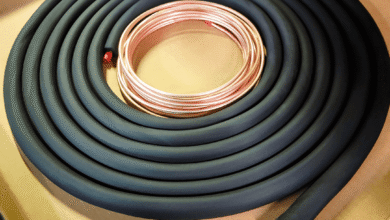
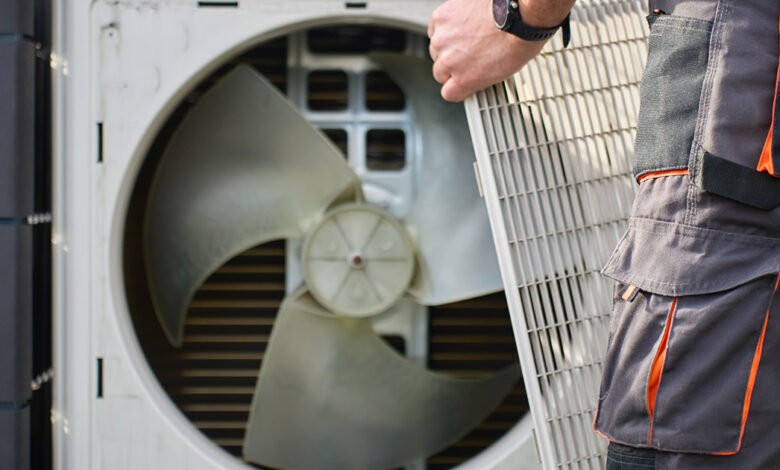
Walk outside and inspect the condenser. Clear away leaves, grass clippings, and other debris, and maintain at least two feet of open space around the unit for airflow. If the fan isn’t turning but you hear a humming sound, don’t try to spin the blade by hand, because a failed capacitor or stuck fan motor can create a safety risk. Look at the refrigerant lines where they enter the house. Light condensation is normal during humid weather, but heavy frost or ice is not. If you see ice on the larger insulated suction line or find the indoor coil completely frozen, set the thermostat to OFF and run the indoor fan only to help the coil thaw. Continuing to run cooling while the coil is frozen can place unnecessary stress on the compressor.
-
When to Turn the System Off Immediately
Some warning signs mean you should shut the equipment down right away. A hot, acrid, or plastic smell coming from supply vents or the air handler may indicate overheating in the blower motor, wiring, or another electrical component. Clicking or chattering at the outdoor contactor without the fan or compressor starting can lead to electrical damage. If the AC breaker trips again immediately after one reset, do not continue resetting it. Repeated trips can indicate a grounded compressor, shorted capacitor, or failing motor. Water near electrical components is another reason to shut the system down. Turn it off at the thermostat and, if it is safe to do so, use the service switch near the indoor unit to disconnect power until a technician can inspect the system.
Ice buildup requires a different response. Switch the cooling system to OFF, but set the thermostat fan to ON for several hours to help thaw the evaporator coil. Ice can develop when a clogged filter, blocked return, or damaged ductwork restricts airflow. It can also occur when refrigerant charge is low because of a leak. Running the blower helps move warmer indoor air across the frozen coil and melt the ice. Restart cooling only after all frost has disappeared, and you have confirmed that the filter and return grilles are clear. If icing returns shortly after restarting the system, turn it off again and arrange service because continued operation may damage the compressor.
-
Triage for Condensate Leaks and Ceiling Stains
Water on the floor near the air handler, moisture around the furnace cabinet, or a fresh ceiling stain beneath an attic unit often points to a blocked condensate drain. During humid weather, the evaporator coil can remove a significant amount of moisture from indoor air. Algae, dirt, and debris can block the drain line and cause the primary drain pan to overflow. Many systems have a float switch that shuts the equipment down when the water level rises too high. If the system is off and the drain pan is full, avoid restarting it repeatedly until you remove the water and address the blockage.
To limit damage, turn the system off and place towels or a bucket beneath active drips. Outside, locate the PVC condensate drain termination if you can access it. Awet/dryy vacuum connected to that point may sometimes remove a blockage. After clearing the line, a small amount of vinegar may help discourage future algae growth if the system manufacturer and installer allow it. Do not pour chemicals into a full drain pan. If your system does not have a float switch, ask the technician whether adding one would help protect ceilings and flooring. Avoid removing a secondary drain pan or moving insulation around energized equipment while troubleshooting.
After the Emergency: Stabilize, Document, and Prevent the Next One
Once the immediate risk is under control, gather information to speed up diagnosis. Note any thermostat error codes or blinking LEDs visible on the air handler control board. Write down the noises you heard, such as a compressor humming without the fan running, a grinding blower motor, or contactor chatter. Record when the problem started, what steps you took, whether you changed the filter, whether you reset a breaker once, and whether ice or water was present. These details can help a technician narrow down possible failures involving the run capacitor, contactor, blower motor, compressor, or refrigerant circuit.
Prevention focuses on airflow, drainage, and electrical protection. Replace 1-inch return filters regularly during peak cooling season, and change thicker 4-inch media filters according to system needs and manufacturer recommendations. Keep return grilles clear and make sure interior doors allow enough airflow for proper circulation. Trim vegetation around the condenser and rinse loose dirt from the outdoor coil fins with a gentle stream of water when appropriate. Keep the condensate drain clean, and confirm that a working float switch protects the drain pan. A dedicated surge protector for the condenser may also help protect sensitive components during summer thunderstorms and electrical disturbances. Regular maintenance before the hottest months gives a technician a chance to clean coils, inspect the blower wheel, test capacitor values, and verify the drain system is clear. If an older system starts experiencing repeated failures, compare the short-term cost of another repair with the longer-term reliability and efficiency benefits of replacement, with guidance from a licensed HVAC professional.
AC problems rarely happen at a convenient time. By recognizing serious warning signs, performing a few safe checks, and knowing when to shut the system down and call for assistance, you can protect your home, your equipment, and the people inside. Keep basic supplies nearby, including spare filters and a flashlight, and consider having a portable fan or dehumidifier available for short cooling interruptions. When a problem becomes urgent, careful triage and clear information for the technician can speed up the repair process and improve accuracy.