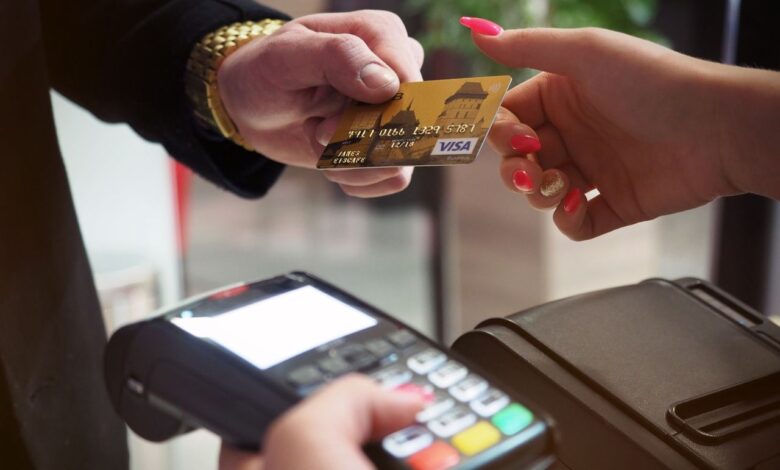

In 2022, 36.2% of general-purpose card payments in the United States by number were made away from a store counter, according to the Federal Reserve Payments Study. That figure includes online checkout, bills paid by card and orders taken by phone. A small business with no online store still receives part of this volume, mostly through calls and emails from customers who want to pay without visiting, and it needs a method for accepting a card number that arrives by voice or in writing.
Keyed Entry From a Browser
A virtual terminal is a secure payment form hosted by a processor and opened in a web browser. An employee logs in, types the card number, expiration date, security code and billing ZIP code, and then enters the amount. The processor sends the request through the card network to the card’s issuing bank, and an approval or decline comes back within a few seconds.
There is no hardware to buy or install, since the form works on any office computer or tablet with an internet connection. For a small business that receives a few dozen remote orders a month, the setup consists of an account with a processor and a login for each employee who takes payments. Most terminals also keep a record of each sale, so refunds and duplicate receipts can be issued from the same screen.
Card Habits Among Customers
The Federal Reserve’s Diary of Consumer Payment Choice found that the average consumer made 16 credit card payments a month in 2025, compared with 8 in 2016. Monthly cash payments fell from 14 to 6 across the same years. When asked how they would prefer to pay in person, 38% of consumers in 2025 named a credit card and 40% named a debit card, while 16% chose cash.
Accepting only cash or a mailed check from a remote customer means asking for a method that fewer customers use each year.
The Federal Reserve Payments Study measured annual growth of 16.3% by number for remote card payments from 2018 to 2021, and in 2022 their growth was close to the pace of card payments overall.
Remote Payers by Business Type
A print shop takes rush orders for event signs by phone and charges the customer once the proof is approved. A dental office bills the patient’s share after the insurer pays its portion, often a month or more after the visit, and the front desk collects that balance by phone. A wholesaler that supplies independent shops takes reorders by phone or email from established buyers.
In each case the customer has a card and the business has no way to swipe or tap it. The print shop can enter the order into a virtual credit card terminal while the client is still on the call, and the job goes into production with the money already authorized. The dental balance and the wholesale reorder follow the same steps with a different amount and customer record.
Fewer Paper Checks
The Association for Financial Professionals reported in its 2025 survey of corporate payment methods that 26% of business-to-business payments were made by check, compared with 33% three years earlier. In 2004 the share was above 80%.
In the association’s 2025 Payments Fraud and Control Survey, checks were again the payment type most often targeted, with 63% of organizations reporting attempted or actual check fraud in 2024. Banks filed about 680,000 check fraud reports with the Financial Crimes Enforcement Network in 2022, up from 350,000 in 2021. When a supplier takes a card by phone, the authorization comes back at the time of the order, with no wait for a mailed check to arrive, be deposited and settle.
Unpaid Invoices and Collection Timing
Intuit QuickBooks surveyed 2,487 US small businesses with up to 100 employees for its 2025 report on late payments. Of those, 56% had unpaid invoices outstanding, and the average amount owed to each affected business was $17,500. Nearly half said some of their invoices were more than 30 days overdue.
A virtual terminal lets a business accept payment at the moment a customer agrees to pay, which is often during a call about the overdue bill itself. An office manager who phones a client about a late invoice can take the card number and email a receipt before the conversation ends. Passive handling of past-due receivables is one of the most common cash flow problems owners create for themselves, and a call that ends with a keyed payment settles one receivable before the owner hangs up.
Records for Each Remote Sale
A keyed sale produces the same records as a sale at a counter. The terminal logs the time, the amount, the last four digits of the card and the employee who entered it, and most terminals can email a receipt to the address the customer gives during the call. Those records matter if a customer later decides to dispute a charge. The issuer then opens a chargeback, and the merchant can respond with documentation such as records showing the customer agreed to the purchase.
Each day’s approved sales are grouped into a batch, and the batch total arrives as a single deposit in the small business bank account. An owner can match each deposit to the terminal’s daily report as part of a monthly bank reconciliation, a task that is slower with a stack of checks deposited on different days.
Limits of Remote Collection
Keyed sales take staff time, because each one requires an employee to type the card details correctly. With hundreds of counter sales a day, a browser form would slow the checkout line compared with a card reader. Card networks also classify keyed sales as card-not-present, which generally means a higher fee per transaction and more disputes when someone uses a stolen card.
Staff should not write card numbers on paper during a call, and each employee should have a separate login so the owner can see who entered or refunded each sale. IBM’s 2023 survey of more than 500 organizations put the global average cost of a data breach at $4.45 million, and the largest share of that went to detecting and escalating the incident.
The Unanswered Phone Order
The cost of setting up a virtual terminal is low enough that the decision usually comes down to volume. Without phone or email orders, there is no use for one. For a firm that receives a few each week and still asks those customers to mail a check, its own call log shows what that policy has cost.
The log records each caller by date and number, and a count of the calls that ended without a sale is the nearest measure an owner has. How many callers last year asked to pay by card over the phone and then bought elsewhere after being told to send a check?