
Returning to work after coronary angioplasty is an important part of recovery for many patients. While some people can resume their usual routines relatively soon after the procedure, others may need additional time depending on their heart condition, physical health and job responsibilities.
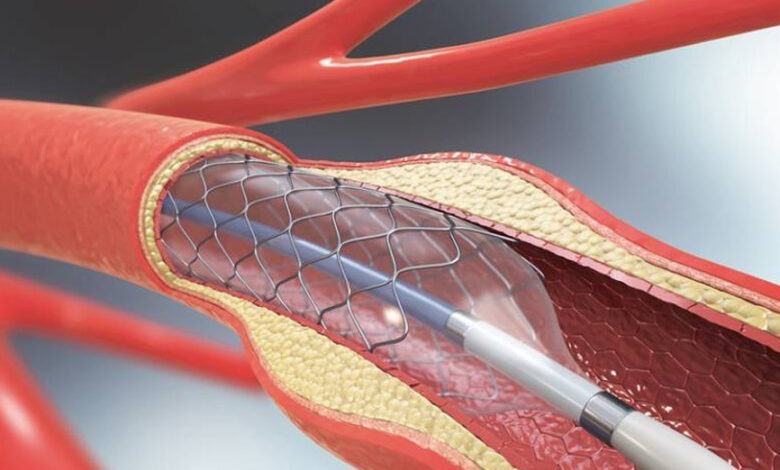
Angioplasty is a procedure used to widen narrowed or blocked coronary arteries and improve blood flow to the heart muscle. It is often performed with stent placement, which helps keep the treated artery open. Although the procedure is less invasive than open-heart surgery, recovery still requires appropriate care and monitoring.
Understanding the factors that influence angioplasty recovery can help patients prepare for a gradual return to work while following medical advice tailored to their circumstances.
How Soon Can You Return to Work After Angioplasty?
The time needed to return to work varies depending on whether the procedure was planned or performed as emergency treatment, the individual’s recovery and the physical demands of their occupation.
Following an uncomplicated, planned angioplasty, some patients may be able to return to desk-based work within approximately one week, provided their medical team considers it appropriate.
However, recovery after angioplasty may take considerably longer for individuals who have experienced a heart attack, developed complications or have other cardiovascular conditions.
A person working in an office may be ready to resume duties earlier than someone whose job involves lifting heavy objects, prolonged physical exertion or operating machinery.
Rather than relying on a fixed recovery timeline, patients should discuss their intended return-to-work date with their treating doctor. This allows the decision to reflect their medical condition, recovery progress and workplace responsibilities.
Why Does the Type of Work Matter During Angioplasty Recovery?
Not all jobs place the same demands on the body. The physical and mental requirements of a person’s occupation can influence how soon they can return to work.
Several workplace factors deserve consideration.
Desk-Based and Sedentary Work
Office employees and individuals performing administrative duties may be able to resume work earlier if their recovery is uncomplicated.
However, prolonged sitting, commuting and fatigue may still affect comfort during the initial recovery period.
Short breaks, manageable working hours and opportunities to move around may be useful when gradually returning to a normal schedule.
Physically Demanding Occupations
Workers in construction, logistics, manufacturing or other physically demanding industries may require additional recovery time.
Activities such as lifting heavy equipment, pushing heavy loads or performing strenuous manual tasks can place increased demands on the cardiovascular system.
The catheter insertion site also needs time to heal, particularly before activities that place strain on the affected arm or leg.
A cardiologist can assess the patient’s recovery and advise whether temporary work restrictions or adjustments may be necessary.
Jobs Involving Driving or Safety-Sensitive Duties
Some occupations involve driving commercial vehicles, working at heights or operating heavy machinery.
These responsibilities require consideration of cardiovascular stability, medication effects and any restrictions that may apply following treatment.
Individuals in safety-sensitive occupations should obtain medical advice before resuming these duties and comply with applicable workplace or licensing requirements.
Does Recovery Differ After Emergency Angioplasty?
One important factor affecting the recovery period is the reason angioplasty was performed.
For individuals undergoing planned coronary angioplasty to manage stable coronary artery disease, recovery may be relatively straightforward when no complications occur.
However, emergency angioplasty is often performed during a heart attack, when blood flow to part of the heart muscle has been severely reduced or blocked.
In these situations, recovery involves more than healing from the catheter procedure. The heart muscle may have sustained damage, potentially affecting its pumping function and the individual’s ability to tolerate physical activity.
Some patients may experience fatigue, reduced stamina or other symptoms as they recover.
The return-to-work decision may therefore depend on:
- The extent of heart muscle damage
- Heart pumping function after the event
- The presence of ongoing symptoms
- Other cardiovascular conditions
- Response to medication and rehabilitation
Individuals recovering from a heart attack may need several weeks or longer before returning to work, depending on their clinical condition and occupational requirements.
What Should Be Considered Before Resuming Work?
Returning to work after angioplasty involves evaluating both physical recovery and the ability to perform daily responsibilities comfortably.
Before resuming employment, patients may wish to review the following areas with their healthcare provider.
Healing at the catheter insertion site
During angioplasty, a catheter is commonly introduced through an artery in the wrist or groin.
Some bruising or mild tenderness may occur afterwards. However, the insertion site should be healing appropriately before activities involving substantial physical strain are resumed.
Exercise tolerance and energy levels
Patients should consider whether they can manage routine activities without unusual breathlessness, chest discomfort or excessive fatigue.
Difficulty performing ordinary tasks may indicate that further assessment is necessary before returning to more demanding work.
Medication requirements
Following coronary angioplasty treatment, patients who receive a stent are commonly prescribed antiplatelet medications to reduce the risk of clot formation within the treated artery.
These medications can increase bleeding risk, which may be relevant for individuals working in environments where injuries are more likely.
Patients should take their medications as prescribed and should not discontinue antiplatelet treatment without medical advice.
Workplace demands
Long working hours, physically strenuous duties, irregular shifts and lengthy commutes may influence how manageable the transition back to employment feels.
Where necessary, a gradual return or temporary adjustments to responsibilities may be discussed with the employer.
Can Cardiac Rehabilitation Help With Returning to Work?
Cardiac rehabilitation may form part of the recovery process for individuals who have undergone coronary angioplasty, particularly those recovering from a heart attack or managing established cardiovascular disease.
These medically supervised programmes generally combine physical activity, education and guidance on cardiovascular risk management.
Depending on the individual’s needs, cardiac rehabilitation may help with:
- Gradually rebuilding physical stamina
- Understanding appropriate exercise intensity
- Managing cardiovascular risk factors
- Developing confidence in resuming daily activities
- Addressing concerns about physical activity after a cardiac event
For patients whose work involves physical exertion, rehabilitation assessments may also help determine how well they tolerate increasing activity levels.
The need for cardiac rehabilitation depends on the patient’s condition and clinical recommendations. It does not replace individual medical clearance for returning to specific occupational duties.
What Symptoms Should Not Be Ignored During Recovery?
Although mild discomfort around the catheter insertion site can occur after angioplasty, certain symptoms may indicate complications requiring medical attention.
Patients should contact their healthcare provider if they experience:
- Increasing pain, swelling or redness around the insertion site
- Fever or discharge from the wound
- Unusual fatigue or reduced exercise tolerance that is new or worsening
- Recurring chest discomfort or breathlessness
More serious symptoms require emergency care.
These include severe or persistent chest pain, sudden significant breathlessness, fainting, uncontrolled bleeding or a cold, numb or discoloured limb on the side where the catheter was inserted.
In Singapore, individuals experiencing a medical emergency should call 995.
Patients should not continue working through concerning symptoms or assume that new chest discomfort is a normal part of recovery.
Practical Ways to Prepare for Returning to Work
A gradual approach may help patients manage their transition back to employment after angioplasty.
Before returning, consider the following:
- Discuss your work duties with your doctor. Explain whether your job involves physical labour, driving, prolonged standing or other demanding activities.
- Clarify temporary restrictions. Ask which activities should be avoided and when they may be resumed.
- Plan your daily routine. Consider commuting arrangements, opportunities for rest and medication schedules.
- Communicate with your employer. Where appropriate, discuss temporary adjustments to working hours or physical responsibilities.
- Attend follow-up appointments. These allow the medical team to assess recovery, review medications and address emerging concerns.
Individuals should avoid increasing physical activity beyond the recommendations provided by their healthcare team, even if they feel ready to resume their usual workload.
Returning to work after angioplasty is an individual process influenced by the reason for treatment, cardiovascular health, recovery progress and occupational demands.
While some patients undergoing planned angioplasty may return to less physically demanding work relatively soon, others may require additional time, particularly following a heart attack or when their job involves strenuous activity.
Appropriate recovery planning involves monitoring symptoms, allowing the catheter insertion site to heal, following prescribed treatment and discussing workplace responsibilities with a healthcare professional.
For individuals in Singapore, reviewing return-to-work readiness with their treating doctor can help determine when it is appropriate to resume employment and whether temporary adjustments or further rehabilitation may be beneficial.