
Coastal winds, saturated soil, and aging shade trees are a risky combination. After a hard rain or a thunderstorm squall, homeowners often face a tough call: prune, brace, or remove. The safest choice depends on the tree’s specific structural clues, what’s below it, and how wind loads travel through the trunk, crown, and roots. This article explains how to recognize red flags such as a fresh lean, heaving soil at the trunk flare, or a split union, and how site constraints like overhead service lines and tight drop zones shape professional removal decisions. Understanding these details helps you act before the next front pushes a compromised tree past its limit.
-
Red Flags That Point to Removal Instead of Pruning
After a fast-moving storm, residents may look up tree removal in mobile because a once upright oak now leans and the soil at the root plate has bulged. A new lean, combined with cracking at the trunk flare, fresh fissures in the lower stem, or heaving sidewalks around buttress roots, indicates lost anchorage that pruning cannot fix. Large cavities weeping sap, conks at the base consistent with root rot, or a lightning scar tracking down the cambium also point toward removal rather than thinning cuts or crown cleaning.
Another tell is a codominant stem with included bark starting to separate. In a water oak over a driveway, a V-shaped union that is opening, sawdust at the crack, and bark buckling on the tension side strongly suggest failure. If the top third of the crown is dead and the remaining canopy has long, overextended limbs with past storm tears, the lever arm on each defective union grows, making bracing or reduction pruning a temporary stopgap at best.
-
Site Conditions That Raise the Stakes
Where a weakened tree stands can be as decisive as its appearance. A red maple straddling a narrow side yard with a fence, an air conditioner condenser, and a service drop to the house leaves almost no safe drop zone. On sloped ground with saturated clay, shallow roots lose friction, and a prevailing wind can push a leaning longleaf pine toward a neighbor’s roof. Underground, irrigation laterals, a septic drain field, and shallow cable lines complicate rigging and stump work. A common mistake is tackling a DIY removal near energized lines or without calling before you dig utility locate; both raise the risk well beyond what a homeowner and a consumer-grade chainsaw can manage.
-
How Pros Evaluate Risk and Choose a Method
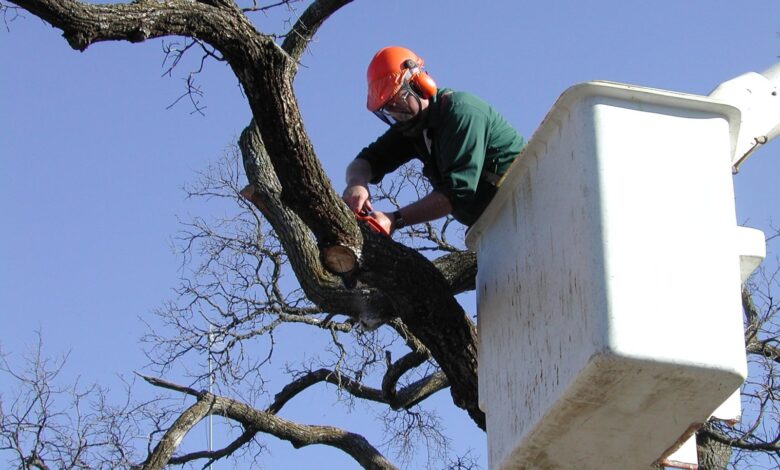
Qualified arborists pair defect severity with target exposure to decide if removal is warranted and how to do it. They inspect the crown with binoculars for hanging limbs and cracked unions, sound the trunk and buttress roots with a mallet to detect hollows, and look for root damage from past trenching. If a clear landing zone and a favorable lean exist, they may use straight felling with a controlled hinge. In most residential yards, though, they opt for sectional dismantling: setting high rigging anchors, running a lowering line through a friction device or bollard, and using taglines to keep sections from swinging into eaves, decks, or service wires. Where access allows, a crane or bucket truck reduces loads on compromised wood and shortens time aloft, but requires driveway strength and street clearance.
-
What a Safe Urban Removal Actually Looks Like
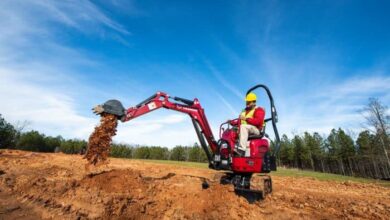
Before the first cut, crews establish an exclusion zone with cones and tape, stage the chipper where traffic control is feasible, and coordinate with the utility if conductors are within reach. The climber ties into a sound anchor point above the defects, sets a lowering line and redirect, and removes weight from the tips inward to shorten lever arms. Each piece is cut small enough to manage, guided by a tagline, and lowered smoothly to avoid shock loading the rigging. Ground crews feed brush to the chipper, stack logs for milling or disposal, and protect turf with ground mats when a mini skid steer is used. Avoid ladders with chainsaws, watch for barber chair potential on split-split-prone trees, and pause when wind gusts spike; these nonnegotiable safety habits are essential.
After the Tree Is Gone: Stump Decisions and Replanting
Once the trunk is down, the stump is next. Grinding removes the stump and main surface roots deep enough to backfill with topsoil and re-sod, but requires locating irrigation lines and shallow utilities first. Expect wood chips to settle for weeks; topping up with soil prevents low spots. If a stump remains near a sidewalk, avoid cutting stabilizing roots flush along the slab edge, which can destabilize adjacent soil and create tripping hazards. Where conditions allow, leaving a short wildlife snag away from targets can preserve habitat; near driveways, full grinding is usually safer.
If you plan to replant, match species and placement to wind and space. Choose trees with strong branch structure and good storm performance, and plant well away from foundations, overhead lines, and septic components. Establish a mulch ring that stays off the trunk, water deeply during the first growing season to encourage a broad root plate, and train a single central leader early so codominant stems don’t create future failure points. Resist topping later; size is controlled with species selection, spacing, and timely structural pruning.
Hazard trees rarely show one symptom. When multiple red flags stack up, and the site offers little margin for error, removal is often the most responsible choice. By watching for fresh leans, root plate movement, cracked unions, and base decay, and weighing factors like roofs, service lines, and tight access, you can make a safety-first decision before storm season. A qualified arborist can confirm what you see, explain rigging or crane options, and help you plan stump and replanting steps so the space remains both safe and shaded for years to come.