Roof Install: A Complete Guide to Quality Roofing and Long-Lasting Protection

A strong and reliable roof is one of the most important parts of any building because it protects the structure, its occupants, and valuable belongings from different weather conditions. A professional roof install can improve a property’s durability, appearance, energy efficiency, and overall value. Whether you are building a new home or replacing an old roofing system, choosing the right materials and experienced professionals is essential. Proper installation helps prevent leaks, reduces maintenance problems, and provides dependable protection for many years. Understanding the roofing process also helps property owners make informed decisions and avoid unnecessary expenses.
Understanding the Importance of Professional Roofing
A professionally installed roof provides protection against rain, wind, sunlight, and other environmental conditions. It also supports indoor comfort by helping maintain proper insulation and ventilation. When roofing materials are installed correctly, they are less likely to develop leaks, loosen, or deteriorate prematurely. Experienced contractors understand how different roofing components work together and ensure that each part is fitted according to the manufacturer’s recommendations. Quality workmanship can reduce the likelihood of expensive repairs and help maintain the building’s structural condition. Another important benefit of professional roofing is its contribution to long-term property value. A damaged or poorly maintained roof can affect the appearance and condition of a building, while a reliable roofing system creates a better impression and provides greater peace of mind. Homeowners should consider roofing a long-term investment rather than simply an immediate construction expense. Choosing appropriate materials and skilled installers can improve durability and reduce the chances of needing an early replacement.
Choosing the Right Roofing Materials
Selecting suitable roofing materials is an important decision that affects the performance, appearance, and cost of the project. Common options include asphalt shingles, metal panels, clay tiles, and concrete tiles. Each material has its own advantages in terms of durability, maintenance, installation requirements, and visual appeal. Asphalt shingles are popular because they are available in different styles and price ranges, while metal roofing is known for its durability and relatively low maintenance needs. Tile roofing can also provide an attractive appearance and a long service life when installed on a suitable structure. Before selecting a material, homeowners should consider the roof’s slope, building design, weather exposure, and available budget. Some roofing products are better suited to particular climates or structural requirements than others. It is also important to compare warranties, expected lifespan, and maintenance needs instead of focusing only on the initial purchase price. A suitable material, combined with correct installation, can help protect the property and provide better value over time.
Preparing the Roof Before Installation
Proper preparation is essential for creating a strong and dependable roofing system. Before work begins, contractors should inspect the roof structure and identify any damaged decking, weakened supports, or signs of moisture. If the existing roof is being replaced, removing old materials may be necessary to reveal hidden problems. Damaged sections should be repaired before new roofing materials are installed because covering structural defects can lead to further deterioration and costly repairs. The preparation process also involves measuring the roof, organizing materials, and ensuring that workers have appropriate safety equipment. The surface should be clean, stable, and ready for the installation of protective layers. Contractors should also protect nearby property and plan how construction waste will be collected and removed. Careful preparation helps reduce material waste, improves efficiency, and creates a better foundation for the remaining stages of the project.
Understanding the Roof Installation Process
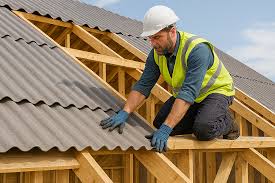
The installation process usually begins with inspecting and preparing the roof deck. Contractors then install suitable underlayment and other protective components before fitting the main roofing materials. Shingles, panels, or tiles must be positioned correctly and secured according to the manufacturer’s instructions. Flashing is installed around chimneys, vents, skylights, and other vulnerable areas to help prevent water from entering the structure. Each stage must be completed carefully to ensure that the finished roof provides reliable protection. During a roof install, special attention should be given to roof edges, valleys, joints, and drainage areas because these locations are particularly vulnerable to leaks. Incorrect fastening, poor alignment, or improperly installed flashing can create problems even when high-quality materials are used. Contractors should inspect their work throughout the process and correct any issues before moving forward. A final inspection should confirm that the roofing materials are secure, drainage paths are clear, and the surrounding area has been cleaned properly.
The Importance of Insulation and Ventilation
Insulation and ventilation play an important role in maintaining a comfortable indoor environment. Proper insulation helps reduce heat transfer between the roof and the living space, while ventilation allows excess heat and moisture to escape from the attic or designated roof area. Without adequate ventilation, moisture can accumulate and contribute to condensation, mold growth, or premature deterioration of roofing materials. A balanced system helps support the roof’s performance and the building’s overall condition. Homeowners should discuss insulation and ventilation requirements with their roofing contractor before the project begins. The correct setup depends on the building’s design, climate, and existing construction. Reflective roofing materials may also help reduce heat absorption in suitable conditions. Combining appropriate materials with effective insulation and ventilation can improve comfort and potentially reduce unnecessary energy consumption. However, these features should be designed to work together rather than installed without considering the building’s specific needs.
Common Roofing Mistakes to Avoid
Several common mistakes can reduce the lifespan of a roofing system and increase repair costs. These include poor surface preparation, incorrect fastening, unsuitable materials, inadequate underlayment, and improperly installed flashing. Neglecting drainage or ventilation can also create moisture problems that affect the roof structure over time. Following manufacturer instructions and applicable building requirements helps reduce these risks and supports better installation quality. Another mistake is choosing a contractor based only on the lowest quotation. An unusually low estimate may exclude important materials, necessary repairs, or essential protective components. Homeowners should compare written estimates carefully and confirm what is included in the project. Checking contractor experience, insurance, references, and warranty information can also help avoid unnecessary problems. Selecting a professional who values quality and clear communication can make the roofing process more reliable.
Roofing Costs and Budget Planning
The overall cost of a roofing project depends on the roof’s size, slope, material selection, labor requirements, and structural condition. Roofs with complicated designs, multiple valleys, chimneys, or skylights may require additional labor and specialized installation techniques. Removing old materials, repairing damaged decking, and improving ventilation can also affect the final price. Homeowners should request detailed estimates that explain material costs, labor, cleanup, and any additional services required. Planning a realistic budget helps property owners manage expenses and prepare for unexpected repairs. It is useful to compare several quotations, but the cheapest option is not always the best value. Quality materials and correct installation may cost more initially but can reduce the likelihood of repeated repairs. Homeowners should also review warranty coverage and expected maintenance requirements before making a final decision. Careful financial planning makes it easier to select a roofing solution that meets both practical needs and budget expectations.
Maintaining Your Roof After Installation
Regular maintenance helps preserve roofing quality and identify minor problems before they become serious. Property owners should arrange periodic inspections and check for missing shingles, loose panels, damaged flashing, and signs of water intrusion. Gutters and downspouts should remain clear so rainwater can flow away from the building efficiently. Overhanging branches should also be managed to reduce the risk of impact damage and prevent excessive debris from collecting on the roof. If signs of leakage or deterioration appear, the problem should be assessed promptly by a qualified professional. Small defects can sometimes be repaired without replacing the entire roofing system, but delaying repairs may allow moisture to damage insulation, ceilings, and structural materials. Maintenance requirements vary according to the roofing material, so homeowners should follow the manufacturer’s recommendations. Keeping records of inspections, repairs, and warranty documents can also help with future maintenance planning.
Choosing a Reliable Roofing Contractor
Finding a reliable contractor is essential for achieving a durable and professionally finished roof. Homeowners should look for relevant experience, appropriate licensing where required, valid insurance, and positive customer references. Reviewing previous projects can help assess the contractor’s workmanship and familiarity with the selected roofing materials. A professional contractor should also explain the installation process, provide a clear written estimate, and communicate realistic expectations about the project schedule. Before signing an agreement, property owners should review the materials, payment schedule, warranty conditions, cleanup arrangements, and procedures for unexpected repairs. It is also helpful to ask who will supervise the work and how safety will be maintained throughout the project. Clear communication helps prevent misunderstandings and ensures that everyone understands the agreed requirements. Choosing a contractor based on experience, reliability, and overall value can make a significant difference in the final result.
Long-Term Benefits of Quality Roofing
A durable roofing system provides more than protection from rain and wind. It can improve the building’s appearance, support indoor comfort, and help maintain property value. Proper installation also protects ceilings, insulation, walls, and structural components from moisture-related damage. When the roof is maintained correctly, it may remain functional for many years and reduce the need for unexpected repairs. These benefits make quality workmanship an important consideration for both new construction and replacement projects. A well-maintained roof can also provide homeowners with greater confidence in the condition of their property. Regular inspections, timely repairs, and suitable materials help preserve performance over time. Although every roof eventually requires maintenance or replacement, careful planning can maximize its useful life. Investing in professional installation and following recommended maintenance practices can help property owners protect their buildings and manage long-term expenses more effectively.
Conclusion
A successful roofing project requires proper preparation, suitable materials, skilled workmanship, and regular maintenance. Every component, from the roof deck and underlayment to the flashing and exterior covering, contributes to the overall performance of the system. Homeowners should consider insulation, ventilation, drainage, and contractor experience when planning their projects. Taking the time to evaluate these factors helps reduce avoidable problems and supports lasting protection. A professional roof install is a valuable investment that can improve a property’s durability, appearance, and overall condition. By selecting a reliable contractor, setting a realistic budget, and arranging regular inspections, property owners can reduce maintenance concerns and extend the roof’s useful lifespan. Careful planning and quality installation help ensure that the roofing system provides dependable protection and long-term value.