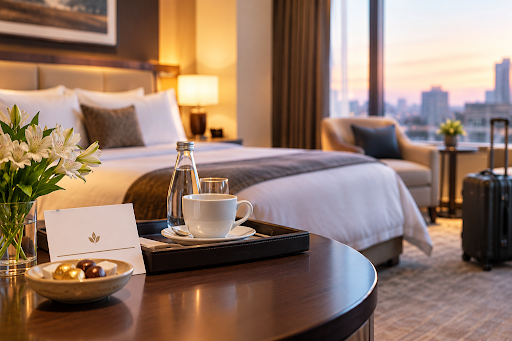

A memorable hotel experience is rarely defined by a single feature. While comfortable beds, attractive interiors, convenient facilities, and attentive service are essential, smaller environmental details can also influence how guests perceive a property. Lighting, temperature, background noise, air quality, and even the smell of a room contribute to the overall experience. These factors may receive less attention than architecture or furniture, but together they help determine whether a space feels comfortable, welcoming, and easy to enjoy.
As hospitality design evolves, greater attention is being given to how people experience indoor environments rather than simply how those environments look. This approach recognises that a hotel’s atmosphere is created through the interaction of several elements. Understanding these details helps explain why two properties with similar facilities can leave very different impressions on their guests.
First Impressions Begin With the Environment
When guests enter a hotel, they begin forming impressions before speaking to a member of staff or reaching their rooms. The appearance of the reception area, the ease of finding the check-in desk, the noise level, and the temperature can influence their initial perception.
Visual design is only one part of this process. A lobby may feature elegant furniture and carefully selected artwork, but poor ventilation, excessive noise, or an uncomfortable temperature can undermine the experience. Conversely, a relatively simple space may feel inviting when it is clean, well organised, and comfortable.
These details are especially important in hospitality because guests may arrive after long journeys, during busy periods, or while managing unfamiliar surroundings. Clear signage, accessible layouts, comfortable seating, and a calm environment can reduce unnecessary stress and make the arrival process easier.
The most effective hotel interiors therefore balance appearance with practical considerations. A beautiful space is valuable, but its design should also support the needs of the people using it.
Why the Senses Matter in Hospitality Design
People experience their surroundings through several senses simultaneously. Sight helps them understand the layout and appearance of a room, while hearing provides information about activity and privacy. Touch influences perceptions of materials and comfort, and smell can contribute to the way a place is remembered.
These sensory experiences interact rather than operating independently. Soft lighting, comfortable seating, moderate noise levels, and fresh air may collectively create a more relaxing atmosphere than any one feature could achieve on its own.
Smell is particularly interesting because fragrances can become associated with places, events, and personal memories. However, responses to scent vary considerably. A fragrance that one guest finds pleasant may be distracting or uncomfortable for another.
For hotel designers and managers, the practical lesson is to consider the complete indoor environment. Sensory details should complement one another without becoming so prominent that they distract from the primary purpose of the space.
The Role of Fragrance in Shaping Indoor Atmosphere
Fragrance is sometimes used in hotels to complement interior design and create a consistent atmosphere in selected areas. A light citrus fragrance, for example, may be perceived as fresh, while woody notes may create an impression of warmth. Floral and herbal scents offer other possibilities, depending on their composition and concentration.
These associations are subjective rather than universal. Cultural background, personal memories, individual preferences, and sensitivity to fragrance can all influence how someone responds to a particular smell.
A Hotel Scent Diffuser can be used to introduce fragrance into selected hospitality spaces, such as reception areas, lounges, or corridors. Depending on the technology, it may release fragrance through passive evaporation, ultrasonic mist, nebulization, or a compatible ventilation system. The appropriate method depends on the size of the area, ventilation conditions, and the level of control required.
Fragrance should also be distinguished from cleanliness. A pleasant-smelling room is not necessarily a clean room, and adding fragrance does not remove the source of an unpleasant odour. Effective housekeeping, regular cleaning, appropriate ventilation, and attention to dampness or waste remain essential.
When fragrance is used, moderation is important. Strong scents may become overwhelming in enclosed spaces, particularly when people are exposed to them for extended periods. In many cases, a neutral and well-ventilated environment is more appropriate than a continuously scented one.
How Scent Diffusion Technology Works
Scent diffusion technology provides different ways to introduce fragrance into indoor spaces. The available systems range from simple passive devices to commercial equipment designed for larger areas.
Reed diffusers use absorbent reeds to draw scented liquid upwards, allowing fragrance to evaporate gradually. Ultrasonic devices typically use vibrations to create a fine mist from water and a compatible fragrance formulation. Nebulizing systems disperse fragrance liquid into fine droplets without adding water, while some commercial installations are designed to distribute fragrance through compatible ventilation systems.
Each method has different characteristics. Passive diffusers generally require little technical setup but offer limited control over fragrance output. Electronic systems may provide timers or adjustable intensity, while commercial installations can require professional assessment and maintenance.
The choice of technology should depend on the size of the space, ventilation conditions, operating requirements, and the needs of its occupants. Larger coverage does not automatically mean a better experience; appropriate distribution and restrained intensity are often more important.
What Residential Fragrance Can Teach Us About Hotel Design
Residential interiors offer useful insights into the relationship between personal comfort and environmental design. At home, people can adjust lighting, temperature, furniture arrangements, and fragrance according to their preferences. Hotels face a more complicated challenge because their spaces must accommodate many people with different expectations.
A Home Scent Diffuser, for example, is usually selected according to personal taste, room size, convenience, and the desired fragrance intensity. Someone may prefer a light scent in a living room but avoid fragrance in a bedroom. These choices are easier to manage in a private residence because the occupants have greater control over their surroundings.
Hotels cannot always provide the same level of individual control in shared spaces. A fragrance that appeals to most guests may still be unsuitable for people with asthma, migraines, allergies, or fragrance sensitivity. This makes careful placement, low intensity, ventilation, and fragrance-free options important considerations.
The broader lesson is that environmental design should account for differences between individuals. An atmosphere that feels luxurious to one person should not come at the expense of another person’s comfort.
Why Lighting, Acoustics, and Air Quality Deserve Equal Attention
Fragrance is only one component of a well-designed hospitality environment. Lighting, acoustics, and air quality often have a more direct effect on everyday comfort.
Lighting influences visibility and can change how people perceive colours, textures, and the proportions of a room. Natural daylight may make a space feel open, while carefully positioned artificial lighting can provide a comfortable atmosphere in the evening. Excessive glare or poorly lit walkways, however, can create practical problems.
Acoustics are equally important. Hard surfaces such as glass, stone, and polished concrete can contribute to echo, especially in large reception areas. Curtains, upholstered furniture, acoustic panels, and other suitable materials can help manage sound without compromising the design.
Air quality deserves particular attention because pleasant fragrance can sometimes conceal rather than solve an odour problem. Appropriate ventilation, moisture control, filtration where suitable, and regular maintenance help address the underlying conditions that affect indoor air.
Considering these elements together creates a more balanced approach to hospitality design. Instead of relying on one decorative feature to define the experience, hotels can improve comfort through several coordinated decisions.
The Importance of Guest Comfort and Fragrance Sensitivity
Not everyone responds to scented environments in the same way. Some people enjoy fragrance, while others may experience headaches, nausea, eye irritation, or respiratory discomfort when exposed to certain products.
For this reason, fragrance decisions should consider the length of exposure, the size of the room, ventilation, and the possibility that guests may have sensitivities they have not disclosed. A fragrance that seems mild in a large lobby may feel much stronger in a small, enclosed room.
Hotels can reduce potential discomfort by avoiding excessive fragrance, maintaining suitable ventilation, and considering fragrance-free guest rooms or designated unscented areas. Staff should also be able to respond appropriately when guests raise concerns.
Essential oils and plant-derived fragrances should not automatically be considered harmless. Their effects depend on the specific ingredients, concentration, exposure, and individual circumstances. Product safety information and manufacturer instructions should guide their use.
Ultimately, hospitality is about serving people with different needs. Environmental choices should support that goal rather than impose a single sensory experience on everyone.
Creating Memorable Spaces Through Thoughtful Design
A hotel’s atmosphere does not depend on expensive materials or elaborate decoration. Often, the most effective improvements come from addressing basic environmental needs consistently.
Clean surfaces, comfortable seating, clear circulation routes, appropriate lighting, controlled noise, and fresh air establish the foundation for a positive experience. Additional elements, including artwork, natural textures, carefully selected colours, and restrained fragrance, can build on that foundation.
Consistency also matters. When the lobby, corridors, dining areas, and guest rooms are designed with their specific purposes in mind, the property feels more considered. However, consistency does not require every space to look, sound, or smell identical.
The best design decisions are those that make an environment easier and more comfortable to use. They may not attract immediate attention, but their combined effect can influence how guests remember their stay.
Conclusion
The hotel experience is shaped by many details that extend beyond architecture and decoration. Lighting, sound, air quality, temperature, materials, and fragrance all contribute to the way people perceive an indoor environment. Their effects depend on how they interact and whether they support the comfort of the people using the space.
Fragrance can play a role in hospitality design, but it is not a substitute for cleanliness, ventilation, or good service. Technologies ranging from simple reed diffusers to commercial scenting systems offer different options, each with practical limitations and safety considerations.
Ultimately, memorable hospitality comes from thoughtful decisions rather than excessive sensory stimulation. When hotels prioritise comfort, accessibility, cleanliness, and individual differences, even the smallest design details can contribute to a more welcoming and enjoyable experience.