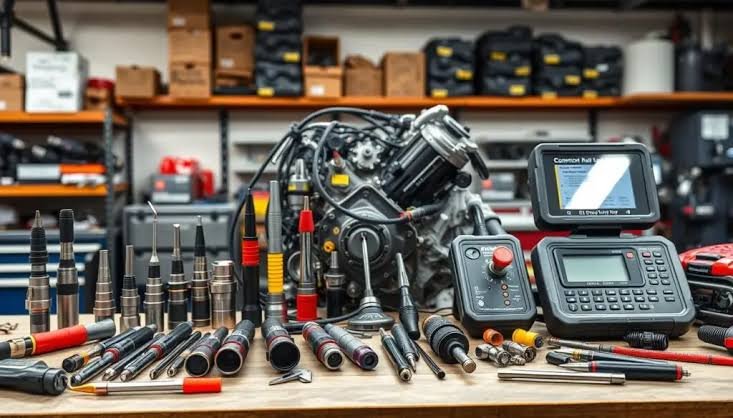

Legacy diesel equipment can still be a practical working asset in 2026 when it receives disciplined maintenance and is matched to an appropriate job. Owners evaluating industrial, agricultural, hauling, or stationary equipment may also find that familiar platforms, including Cummins 855 engines, remain attractive because their operating characteristics and service needs are well understood.
The goal is not to keep every old machine running indefinitely. It is to make informed decisions based on condition, operating needs, safety, repairability, and cost. A consistent inspection routine gives owners time to plan repairs before a small defect becomes an unplanned shutdown.
Why Older Diesel Equipment Still Has A Place In 2026
Older machines are common on farms, construction sites, warehouses, transport, and backup power because they still work well. They often have simple mechanical parts, while new ones may include electronics and emissions controls. Neither is always better; the best choice depends on the task, technicians, uptime needs, and machine condition. A local technician familiar with a specific engine can diagnose common issues efficiently, but testing is essential. A machine that starts and runs might still have hidden problems like airflow restrictions, fuel contamination, worn wiring, or low compression.
Start With The Equipment’s Work History
Before inspecting parts, review how the equipment has been used. Record total engine hours, typical load, idle time, storage conditions, and any long periods out of service. Separate light-duty or standby use from sustained hauling, field work, or other heavy-load operation.
- Review oil and filter changes, coolant service, repairs, and previous test results.
- Note unexplained gaps in maintenance records.
- Ask whether overheating, hard starting, low power, or fluid consumption has occurred before.
- Document recent changes in fuel economy, smoke, noise, or operating temperature.
Inspect Before Starting The Engine
A cold inspection can reveal leaks and damaged components that may be harder to notice once the engine is warm. Check the oil level and look for unusual signs of fuel or coolant contamination. Examine the engine block, hoses, seals, fittings, belts, wiring, battery terminals, grounds, intake plumbing, radiator, fan, coolant reservoir, and the ground beneath the machine.
Fresh fluid spots, soft or swollen hoses, corroded connections, loose clamps, cracked belts, and damaged wire insulation deserve attention. Confirm that guards are in place and that the air-filter housing is properly sealed. Dirt entering the intake system can cause expensive internal wear.
Use Startup Behavior As A Diagnostic Tool
Observe the first start of the day without treating any one symptom as a final diagnosis. Note how quickly the starter turns the engine, whether oil pressure rises promptly, and whether the idle becomes stable as the engine warms. Listen for persistent knocking, grinding, tapping, or uneven firing. Check gauges and warning lights before placing the machine under load.
What Exhaust Smoke Can Suggest
- White smoke may be associated with cold combustion problems, unburned fuel, or coolant entering the combustion process.
- Blue smoke can indicate that lubricating oil is reaching the combustion chamber.
- Black smoke can indicate restricted airflow, excessive fuel, injector issues, turbocharger problems, or heavy loading.
Smoke must be evaluated alongside engine temperature, load, fuel condition, oil consumption, coolant loss, and maintenance history. Persistent smoke after warm-up, or smoke paired with loss of power, should be diagnosed rather than ignored.
Build A Service Schedule Around Operating Hours
Use the manufacturer’s instructions as the starting point, then adjust for severe dust, heavy loads, frequent idling, extreme temperatures, or seasonal work. A simple schedule keeps essential tasks from being deferred.
Before Each Shift
- Check oil, coolant, fuel level, visible leaks, tires or tracks, belts, hoses, and guards.
- Confirm that gauges, warning lights, and basic controls operate normally.
Every 50 To 100 Operating Hours
- Inspect air and fuel filtration, battery terminals, charging connections, fasteners, and vibration-prone areas.
- Look for new seepage, rubbed hoses, loose wiring, or damaged clamps.
At Scheduled Service Intervals
- Change oil and filters as specified for the engine and duty cycle.
- Test coolant condition and freeze protection.
- Inspect the fuel system, accessory drives, turbocharger, cooling system, and valve train where applicable.
- Record parts used, fluid readings, observed defects, and completed repairs.
Protect Fuel, Lubrication, Cooling, And Airflow Systems
Water, sediment, and degraded fuel can cause problems in fuel systems, so drain water separators and store fuel carefully. Use the correct oil grade and specification. If oil loss, fuel dilution, or debris is suspected, testing is more effective than guessing.
Neglecting the cooling system can cause overheating and engine damage. Keep radiator and cooler surfaces clean. Check hoses, pressure cap, thermostat, fan, water pump, and coolant mixture. Investigate repeated temperature spikes rather than masking them with coolant or reducing workload.
Air and fuel must stay balanced for clean power. Inspect the air filter, intake piping, clamps, and turbo connections. Unusual turbo noise, oil buildup, low power, or smoke may require professional checks of boost, fuel pressure, injectors, compression, or cylinder balance.
Account For Emissions Rules And Parts Support
Emissions obligations can vary by engine age, equipment type, location, and intended use. The EPA outlines rules affecting nonroad compression-ignition engines used in equipment such as tractors, forklifts, generators, pumps, and construction machinery through its heavy-equipment diesel regulations. Check applicable requirements before changing an engine, fuel system, or exhaust equipment.
Also, evaluate the supply chain before committing to a major repair. Identify which filters, belts, seals, sensors, hoses, and hard parts are readily available. When downtime is costly, keeping essential service items on hand can be sensible. For a basic explanation of why compression, fuel delivery, and airflow matter, the operating principles of a diesel engine provide useful background.
Repair, Rebuild, Or Replace?
Compare the repair estimate with related work that should be completed while the engine is accessible. Then add the expected downtime, lost income, remaining service life, fuel use, compliance needs, and parts availability. The lowest invoice is not always the lowest total cost. A rebuild may be justified when the machine is structurally sound and well-suited to its work, while replacement may be the better choice when recurring failures, unsupported parts, or operational limits create ongoing risk.
Final Checklist For 2026
- Confirm service history, hours, duty cycle, and storage conditions.
- Perform a cold inspection and observe startup behavior.
- Maintain oil, coolant, fuel, filtration, electrical, and intake systems on schedule.
- Investigate persistent smoke, overheating, fluid loss, or declining power promptly.
- Review compliance rules, parts availability, downtime, and total repair cost before making major decisions.