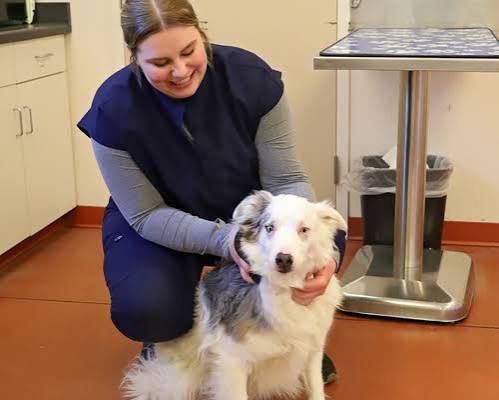

You know your pet better than anyone. You notice the slower jump onto the couch, the extra weight that seemed to appear out of nowhere, the breath that smells a little worse than it used to. Life gets busy, and when your dog or cat still eats, plays, and asks for attention, it is easy to tell yourself everything is fine. That is usually where problems hide, which is why visiting an animal hospital in Oakville, ON can help catch issues early.
Why annual exams are the foundation of pet health comes down to one simple truth. Pets cannot explain what hurts, and many illnesses stay quiet until they are harder and more expensive to treat. A yearly visit with a general veterinarian gives you a chance to catch change early, track your pet’s health over time, and make small adjustments before they turn into bigger issues.
Annual wellness exams catch what daily life can miss
At home, you see routines. A veterinarian sees patterns. That difference matters. A pet can look normal and still have early dental disease, joint pain, obesity, skin infection, a heart murmur, or lab changes that point to kidney or thyroid trouble. During an annual pet wellness exam, the visit is not just a quick look. It often includes a full physical exam, weight check, vaccine review, parasite prevention review, and guidance based on age, breed, and lifestyle.
The annual wellness exam services described by the University of Georgia reflect what good preventive care should do. The goal is not to wait for symptoms. The goal is to build a baseline so small shifts stand out early.
This is where many owners feel stuck. If your pet seems okay, paying for an exam can feel optional. Then the what if shows up. What if the weight gain is not just too many treats. What if the bad breath is painful dental disease. What if the quieter behavior is chronic pain, not aging. Waiting often turns a manageable problem into a stressful one.
Preventive pet care protects health and lowers avoidable costs
Most people do not skip care because they do not love their pets. They skip because they are juggling work, money, schedules, and a pet who seems mostly fine. That is understandable. It is also why preventive care matters so much. Treating an ear infection early is easier than dealing with a ruptured eardrum. Managing weight gain early is easier than facing diabetes or arthritis made worse by extra pounds.
Routine veterinary checkups also help protect your household. Pets can carry parasites and diseases that affect people, especially children, older adults, and anyone with a weaker immune system. The CDC offers a clear overview of healthy habits around pets and animals, including ways to reduce the risk of illness through regular care, hygiene, and prevention.
Weight is one of the clearest examples of why yearly exams matter. Extra pounds can creep up so slowly that they stop looking unusual. A recent piece from Kansas State highlights how pet obesity remains a growing concern, with risks that reach far beyond appearance. Obesity affects mobility, heart health, comfort, and life span. A general veterinarian can spot that trend early and help you adjust food, activity, and expectations before your pet pays the price.
General veterinarian visits create a health record that guides better care
One exam helps. A series of annual exams tells a story. Your veterinarian can compare weight, heart and lung sounds, dental condition, skin changes, and lab values over time. That history makes it easier to tell whether a change is minor, urgent, or part of normal aging.
This matters even more for senior pets. Many owners hear “slowing down” and assume it is just age. Sometimes it is. Sometimes it is arthritis, vision loss, thyroid disease, kidney disease, or pain that can be treated. Pets are good at hiding weakness. By the time the signs are obvious at home, the condition may be further along than you think.
| Annual Exam Finding | What It Can Prevent | What Waiting Can Lead To |
|---|---|---|
| Mild weight gain | Early diet and exercise changes | Obesity, joint strain, diabetes risk |
| Early dental disease | Cleaning and home dental care | Pain, tooth loss, infection |
| Subtle skin or ear irritation | Prompt treatment and allergy review | Chronic infection, discomfort, repeat flare ups |
| Heart murmur or abnormal exam finding | Monitoring and follow up testing | Late diagnosis and fewer options |
| Changes in bloodwork | Early treatment planning | Advanced disease before symptoms appear |
Small steps make annual veterinary care easier to keep up with
Schedule before there is a problem.
Book your pet’s next exam as soon as the current one ends, or choose a month you will remember every year. Tying it to a birthday, adoption date, or vaccine reminder reduces the chance that preventive care slips into the background.
Track changes at home.
Write down shifts in appetite, thirst, energy, bathroom habits, movement, breath, skin, and behavior. A short list on your phone is enough. Owners often forget details once the appointment starts, and those details can point your veterinarian toward what needs attention first.
Ask for a plan that fits your pet’s real life.
A good general veterinarian visit should leave you with clear next steps, not vague advice. Ask what matters most right now. Maybe it is dental care, weight management, parasite prevention, or senior screening. You do not need to fix everything at once. You need a realistic plan you can follow.
Yearly exams support a longer, more comfortable life for your pet
Most pet owners are not looking for perfect care. They want to do right by the animal who depends on them. That starts with consistency. Annual exams give you a structured way to notice change, prevent avoidable illness, and respond early when something is off. They support comfort, function, and quality of life in a way that crisis visits never can.
If your pet has not had a checkup in the past year, now is a good time to schedule one. A simple wellness visit can answer questions you have been carrying, catch issues you cannot see at home, and give your pet the steady care that keeps small problems from becoming painful ones.