
HIV can be effectively controlled with treatment, although there is currently no routinely available cure that completely removes the virus from the body.
The main treatment is antiretroviral therapy (ART). ART uses medicines that stop HIV from reproducing efficiently. When treatment is taken consistently and remains effective, the amount of HIV in the blood can fall to a very low level, sometimes becoming undetectable on standard viral load tests.
Controlling HIV can protect the immune system, reduce the risk of HIV-related illness and allow many people living with HIV to lead long and healthy lives.
Effective treatment also has an important role in preventing sexual transmission. When a person takes ART consistently and maintains a sustained undetectable viral load, HIV is not sexually transmitted to their partners. This is known as Undetectable = Untransmittable (U=U).
However, controlling HIV is different from curing it. HIV remains in the body even when the viral load is undetectable, which is why treatment generally needs to continue long term.
What Does It Mean to Control HIV?
Controlling HIV means keeping the virus suppressed so that it cannot reproduce at levels that significantly damage the immune system.
ART works by interfering with different stages of the HIV life cycle.
When treatment is effective:
- HIV replication is suppressed
- The viral load decreases
- CD4 cells can recover or remain preserved
- The immune system is better protected
- The risk of HIV-related complications decreases
- The risk of sexual transmission can be eliminated when sustained viral suppression is maintained
The aim is not simply to make symptoms disappear.
A person can have HIV without symptoms, so treatment needs to control the virus even when the individual feels well.
How Does HIV Treatment Control the Virus?
HIV needs to reproduce inside cells in order to spread throughout the body.
Antiretroviral medicines interfere with different stages of this process.
Depending on the medication, ART can prevent HIV from:
- Entering certain cells
- Converting its genetic material
- Integrating its genetic material into human DNA
- Producing viral proteins
- Producing mature infectious virus particles
Modern treatment usually involves a combination of antiretroviral medicines that work together.
This makes it more difficult for HIV to continue reproducing and helps maintain viral suppression.
What Is Antiretroviral Therapy?
Antiretroviral therapy (ART) is the standard treatment for HIV.
ART is not one particular drug. It refers to treatment using one or more antiretroviral medicines, usually in a combination designed to suppress HIV effectively.
Many treatment regimens are available as a single daily tablet containing multiple medicines.
The choice of treatment can depend on factors such as:
- Previous HIV treatment
- Drug resistance
- Other medical conditions
- Kidney and liver function
- Other medicines being taken
- Pregnancy or plans for pregnancy
- Potential drug interactions
- Treatment preferences
Treatment can also be adjusted if side effects, drug interactions or resistance become an issue.
How Does ART Affect the Immune System?
HIV primarily attacks CD4 T cells, which are important components of the immune system.
Without treatment, continued HIV replication can reduce CD4 cell numbers and weaken immune function.
Effective ART suppresses viral replication, giving the immune system an opportunity to recover.
What Happens to the CD4 Count?
The CD4 count may increase after treatment begins, although the extent and speed of recovery vary between individuals.
A higher CD4 count generally indicates better immune function.
People who start treatment before substantial immune damage occurs generally have a better opportunity to preserve or recover immune function.
What If the CD4 Count Is Already Low?
Treatment can still be effective when HIV is diagnosed at an advanced stage.
However, people with a very low CD4 count may have a higher risk of opportunistic infections and may require additional treatment or preventive medication.
The healthcare team may monitor immune recovery and manage any infections that are already present.
What Is an HIV Viral Load?
The viral load is the amount of HIV genetic material detected in a person’s blood.
It is one of the most important measurements used to monitor HIV treatment.
A high viral load generally indicates that HIV is actively reproducing.
Effective ART causes the viral load to fall.
Why Is Viral Load Important?
Viral load testing helps determine whether treatment is working.
It can show whether:
- HIV is responding to ART
- Viral suppression has been achieved
- Viral suppression is being maintained
- Further investigation may be needed
A person can feel completely well while having a detectable viral load, which is why regular monitoring remains important.
What Does an Undetectable Viral Load Mean?
An undetectable viral load means that the amount of HIV in the blood is below the detection limit of the particular laboratory test being used.
It does not mean that HIV has disappeared.
HIV can remain in certain cells and tissues in the body, forming what are sometimes called viral reservoirs.
If ART is stopped, HIV can generally begin reproducing again and the viral load can rise.
For this reason, an undetectable result should be understood as effective viral suppression, not a cure.
How Long Does It Take for HIV to Become Undetectable?
The time required to achieve an undetectable viral load varies between individuals.
Many people taking effective ART achieve viral suppression within the first few months of treatment.
Factors that can affect the response include:
- Viral load before treatment
- CD4 count
- The specific treatment regimen
- Drug resistance
- Medication adherence
- Other medical conditions
Regular viral load testing is used to confirm that treatment is working rather than relying on how a person feels.
Can HIV Remain Controlled for Years?
Yes.
Effective ART can maintain viral suppression over the long term when treatment remains effective and is taken consistently.
HIV is therefore generally managed as a chronic health condition.
Long-term care may involve:
- Regular HIV appointments
- Viral load monitoring
- CD4 monitoring where appropriate
- Medication reviews
- Screening for other infections
- Management of other medical conditions
- Vaccinations and preventive healthcare
The aim is not only to control HIV but also to support overall health.
Does HIV Treatment Prevent HIV From Progressing to AIDS?
Effective treatment can greatly reduce the likelihood of HIV progressing to AIDS.
AIDS, or acquired immunodeficiency syndrome, is an advanced stage of HIV infection associated with severe immune suppression or certain opportunistic infections.
Without treatment, HIV can progressively damage the immune system.
With effective ART, HIV replication can be suppressed and immune function can be preserved or improved.
Starting treatment before severe immune damage occurs provides an important opportunity to prevent advanced HIV disease.
Can Someone With HIV Live a Long Life With Treatment?
Yes.
Modern HIV treatment has significantly changed the outlook for people living with HIV.
When HIV is diagnosed and treated effectively, many people can maintain good health and live long lives.
Long-term health still depends on factors beyond HIV itself.
These may include:
- Medication adherence
- Access to ongoing healthcare
- Smoking and alcohol use
- Cardiovascular health
- Kidney health
- Mental health
- Other infections
- Age-related health conditions
HIV care therefore increasingly involves managing overall health as well as suppressing the virus.
Does an Undetectable Viral Load Mean HIV Is Gone?
No.
This is one of the most important distinctions to understand.
An undetectable viral load means that HIV is present at a level below the detection threshold of the test.
It does not mean:
- HIV has been eliminated
- ART can be stopped
- The infection has been cured
- Monitoring is no longer necessary
If treatment is stopped, the virus can usually rebound.
What Is U=U?
U=U stands for Undetectable = Untransmittable.
It means that a person living with HIV who is taking effective ART and maintains a sustained undetectable viral load does not sexually transmit HIV to their partner.
This is supported by evidence from large studies involving couples in which one partner has HIV and the other does not.
The key point is that U=U depends on maintained viral suppression.
A person should continue taking ART as prescribed and attending regular viral load monitoring.
U=U applies to sexual transmission of HIV. It does not mean that ART protects against other sexually transmitted infections.
Does U=U Mean Condoms Are No Longer Needed?
ART and sustained viral suppression prevent sexual transmission of HIV, but they do not prevent other sexually transmitted infections.
Condoms may still help reduce the risk of infections such as:
- Chlamydia
- Gonorrhoea
- Syphilis
- Genital herpes
- Other STIs
They can also provide contraception.
The choice of whether to use condoms should therefore consider the prevention of HIV, other infections and pregnancy.
What Happens If You Miss HIV Medication?
Occasional missed doses can happen, but repeated missed doses can make it harder to maintain viral suppression.
When ART is not taken consistently:
- HIV may begin reproducing again
- Viral load may increase
- The risk of treatment failure can increase
- Drug resistance may develop in some circumstances
The appropriate action after a missed dose depends on the specific medication.
Patients should follow the instructions provided with their medication or contact their healthcare provider or pharmacist if they are unsure what to do.
What If You Are Having Difficulty Taking ART Consistently?
Difficulty taking medication does not necessarily mean that treatment is failing.
There may be practical or personal reasons for missed doses.
These can include:
- Forgetfulness
- Changes in routine
- Travel
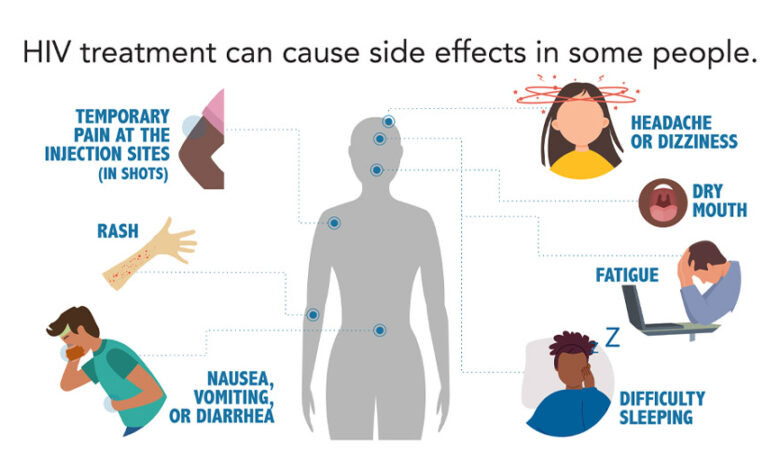
- Side effects
- Difficulty obtaining medication
- Concerns about privacy
- Emotional distress
- Depression or other mental health concerns
- Difficulties taking medication at a particular time
Speaking with the healthcare team can help identify solutions.
Depending on the circumstances, the treatment regimen may also be adjusted to make adherence easier.
Can HIV Treatment Stop Working?
Treatment can become less effective in some circumstances.
A rising or detectable viral load may occur because of:
- Missed doses
- Drug resistance
- Drug interactions
- Incorrect medication use
- Problems absorbing medication
- Other clinical factors
A single detectable viral load result does not necessarily mean that treatment has failed.
The healthcare team may repeat the test and investigate the cause before deciding whether treatment needs to change.
What Is HIV Drug Resistance?
HIV drug resistance occurs when changes in the virus allow it to reproduce despite a particular antiretroviral medicine.
Resistance can develop when HIV is exposed to insufficient levels of medication over time.
It can also be present when a person first acquires HIV if they have been infected with a drug-resistant strain.
Drug resistance can make some medicines less effective.
How Is Drug Resistance Managed?
If resistance is suspected or confirmed, resistance testing may help determine which medicines are likely to remain effective.
The treatment regimen can then be modified where necessary.
A treatment change does not necessarily mean that HIV can no longer be controlled.
There are multiple antiretroviral medicines and treatment combinations available.
Can HIV Treatment Be Changed?
Yes.
A doctor may recommend changing ART because of:
- Side effects
- Drug interactions
- Drug resistance
- New medical conditions
- Pregnancy
- Changes in kidney or liver function
- Difficulty adhering to the regimen
- Availability of a simpler treatment option
Changing medication should be done under medical supervision.
Patients should not stop or switch HIV medication independently.
Are HIV Treatments Always Tablets?
No.
Many people take daily oral ART, but long-acting injectable treatment is also available for selected patients.
Long-acting treatment can involve injections administered at scheduled intervals rather than taking tablets every day.
However, injectable ART is not suitable for everyone.
Factors that may influence eligibility include:
- Current viral suppression
- Previous treatment history
- Drug resistance
- Medical conditions
- Medication tolerance
- Ability to attend injection appointments
A healthcare provider can determine whether an injectable option is appropriate.
What Happens If HIV Treatment Is Interrupted?
Stopping ART can allow HIV to begin reproducing again.
The viral load can increase, while the immune system may become increasingly affected.
Treatment interruption can also increase the risk of developing drug resistance in certain circumstances.
If you are considering stopping treatment because of side effects, cost, concerns about privacy or another difficulty, speak with your healthcare provider first.
An alternative treatment or support strategy may be available.
Can HIV Be Controlled If Treatment Starts Late?
Treatment can still be effective when HIV is diagnosed later.
However, a person diagnosed after significant immune damage may have additional health problems that require management.
Advanced HIV can be associated with opportunistic infections and other complications.
Treatment may therefore involve:
- ART
- Treatment of existing infections
- Preventive medication for selected infections
- CD4 monitoring
- Viral load monitoring
- Management of other medical conditions
Early diagnosis and treatment provide a better opportunity to protect immune function, but treatment remains important at every stage of HIV infection.
Can HIV Be Controlled During Pregnancy?
Yes.
ART can be used during pregnancy and is an important part of reducing the risk of HIV transmission from mother to baby.
Treatment selection may take into account:
- Pregnancy stage
- Current ART regimen
- Viral load
- Drug resistance
- Other medical conditions
- Medication safety
Pregnant patients living with HIV should receive coordinated HIV and obstetric care.
The treatment plan may also include appropriate care for the newborn.
Can HIV Treatment Prevent Transmission to a Baby?
Effective HIV treatment can substantially reduce the risk of mother-to-child transmission when combined with appropriate pregnancy, delivery and infant care.
Management may include:
- Maternal ART
- Viral load monitoring
- Appropriate obstetric planning
- Medication for the newborn where indicated
- Infant HIV testing and follow-up
Patients who are planning a pregnancy and living with HIV should discuss their plans with their healthcare team so that treatment can be optimised.
Does HIV Treatment Protect Against Other Infections?
No.
ART specifically targets HIV.
It does not prevent other infections such as:
- Chlamydia
- Gonorrhoea
- Syphilis
- Hepatitis
- Genital herpes
- Human papillomavirus (HPV)
People living with HIV may therefore still need appropriate STI screening, vaccinations and other preventive healthcare.
What Does HIV Treatment Monitoring Involve?
Regular monitoring helps determine whether HIV remains controlled.
Viral Load Testing
Viral load testing measures the amount of HIV in the blood.
It helps determine whether ART is suppressing HIV effectively.
CD4 Testing
CD4 testing provides information about immune function.
It is particularly useful when assessing immune recovery or the risk of opportunistic infections.
General Health Monitoring
Depending on the treatment and individual circumstances, monitoring may also include:
- Kidney function
- Liver function
- Cholesterol and other metabolic markers
- Hepatitis status
- Other infections
- Medication side effects
The exact monitoring schedule varies between patients.
What Can Affect HIV Treatment Effectiveness?
Several factors can influence long-term treatment success.
Medication Adherence
Taking ART consistently helps maintain adequate medication levels and viral suppression.
Drug Resistance
Resistance can reduce the effectiveness of certain medicines.
Drug Interactions
Some prescription medicines, supplements and other substances can affect how HIV medicines work.
Other Medical Conditions
Conditions affecting the kidneys, liver or other organs may influence medication selection.
Access to Treatment
Continuous access to medication and follow-up care is important for maintaining viral suppression.
If access to treatment becomes difficult, patients should discuss this with their healthcare provider as soon as possible.
What Can You Do to Keep HIV Controlled?
Several practical steps can support long-term HIV management.
Take ART as Prescribed
Consistent treatment is central to maintaining viral suppression.
Attend Follow-Up Appointments
Regular appointments allow viral load, medication tolerance and overall health to be monitored.
Report Side Effects
Do not stop medication independently because of side effects. Discuss them with your healthcare provider.
Tell Your Doctor About Other Medicines
Prescription medicines, over-the-counter products and supplements can sometimes interact with ART.
Maintain General Health
A balanced diet, regular physical activity, adequate sleep and management of other medical conditions can support overall health.
Continue Preventive Healthcare
Vaccinations, cancer screening and STI testing may remain appropriate depending on age, health and individual circumstances.
HIV Treatment in Singapore
HIV treatment is available through public hospitals and private healthcare institutions in Singapore.
The current national approach supports the use of ART for people living with HIV, with treatment aimed at achieving and maintaining viral suppression.
Singapore’s latest published HIV data reports that 96% of people diagnosed with HIV were receiving treatment and 94% of those on treatment had achieved viral suppression.
Most HIV medications are subsidised for eligible Singapore residents, although the level of subsidy and eligibility can depend on the medication and individual circumstances.
Can People Living With HIV Have a Normal Life?
For many people, effective HIV treatment allows them to maintain their health, work, have relationships and plan for the future.
Living with HIV still involves ongoing healthcare, but treatment can keep the virus suppressed and reduce the risk of HIV-related complications.
The focus of HIV care has therefore expanded beyond simply treating the infection.
It may also include:
- Mental wellbeing
- Sexual health
- Cardiovascular health
- Kidney health
- Cancer prevention and screening
- Healthy ageing
- Pregnancy and reproductive health
HIV can be effectively controlled with modern treatment. Antiretroviral therapy suppresses HIV replication, allowing the viral load to fall to very low or undetectable levels and helping protect the immune system.
An undetectable viral load does not mean that HIV has been cured. The virus remains in the body, which is why ART generally needs to be continued long term.
Consistent treatment and regular monitoring are central to maintaining viral suppression. Viral load testing shows whether treatment is controlling HIV, while CD4 testing provides information about immune function, particularly when immune recovery or advanced HIV disease is a concern.
Effective treatment also has an important prevention benefit. When a person living with HIV maintains a sustained undetectable viral load while taking effective treatment, they do not sexually transmit HIV to their partners. This is the principle behind U=U, or Undetectable = Untransmittable.
Treatment may need to be changed if side effects, drug interactions, resistance or other circumstances arise, but a change in medication does not necessarily mean that HIV can no longer be controlled.
For people living with HIV in Singapore, treatment and ongoing monitoring are available through public and private healthcare services. If you have recently been diagnosed, are concerned about your viral load or are having difficulty taking your medication consistently, speaking with a healthcare professional can help you manage the condition and maintain effective treatment.
This article is for general information only and should not replace medical advice from a qualified healthcare professional.