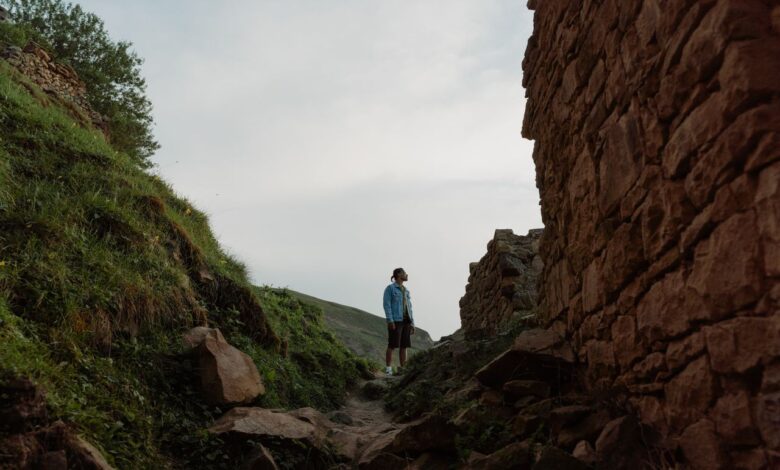
Beyond the Beaten Path: Why Armenia Is the Trending Cultural Escape You Didn’t Know You Needed

Every few travel seasons, a destination quietly shifts from being a footnote in niche guidebooks to dominating the mood boards of well-traveled explorers. First came the resurgence of Portugal’s coastal villages, followed by the trekking trails of Georgia and the desert glamping of Jordan. Right now, savvy travelers seeking rich heritage, mountain serenity, and ancient culinary traditions are setting their sights on the South Caucasus—specifically, Armenia.
Perched at the crossroads of Europe and Asia, Armenia manages to feel simultaneously timeless and refreshingly undiscovered. It was the first nation in the world to adopt Christianity as its state religion in 301 AD, boasts a winemaking legacy that stretches back more than 6,000 years, and pairs dramatic alpine landscapes with one of the most welcoming café cultures in the region.
If you are craving an escape that blends cinematic vistas, deep history, and soulful local gastronomy, here is what makes Armenia one of the most rewarding journeys to undertake right now.
1. Yerevan: The “Pink City” of Late Nights and Street Cafés
Most journeys begin in Yerevan, Armenia’s capital and one of the world’s oldest continuously inhabited cities (founded in 782 BC, making it older than Rome). Despite its age, Yerevan pulses with a youthful, relaxed energy.
The city earned its moniker, the “Pink City,” from the local volcanic tuff stone used to construct its grand Neoclassical and Soviet-modernist boulevards. During the golden hour, buildings around Republic Square and along Northern Avenue glow in warm shades of rose, ochre, and terracotta.
Life in Yerevan unfolds outdoors. Locals gather at the iconic Cascade Complex—a massive, tiered limestone staircase filled with contemporary art installations, fountains, and panoramic overlooks that frame Mount Ararat on clear mornings. By night, sidewalk wine bars along Saryan Street spill into the pedestrian walkways, where sommeliers pour native varietals like Areni Noir alongside plates of aged goat cheese and fresh flatbreads.
2. Monasteries Built into Cliffs and Canyons
Armenia’s landscape is studded with medieval churches and monasteries, but what makes them unforgettable is their dramatic natural placement. These were not built simply as houses of worship; they served as monastic universities, fortress retreats, and architectural masterworks designed to blend into cliffs and gorges.
- Khor Virap: Located near the Turkish border, this monastery sits against the snow-draped backdrop of Mount Ararat. It is where Saint Gregory the Illuminator was imprisoned in a subterranean pit before converting the Armenian king in 301 AD.
- Geghard Monastery: A UNESCO World Heritage site partially carved directly out of the surrounding rock face of the Azat River Gorge. The acoustics in its subterranean chapels are hauntingly resonant, designed to carry liturgical chants through solid stone.
- Noravank: Tucked into a narrow canyon of sheer, brick-red cliffs in the Vayots Dzor province, this 13th-century two-story church features intricate stone carvings and delicate exterior stairs.
- Tatev Monastery: Perched on the rim of a deep gorge in the country’s south, Tatev is reached via the Wings of Tatev—the world’s longest non-stop double-track cable car, which glides above deep ravines and forested slopes.
3. A 6,000-Year-Old Viticulture Legacy
While modern travelers often associate wine heritage strictly with France or Italy, archaeological history tells a different story. In 2007, researchers in the village of Areni excavated the Areni-1 cave complex and uncovered the oldest known complete winemaking facility in the world, dating back to roughly 4100 BC—complete with fermentation vats, a wine press, storage jars, and grape seeds.
Armenian winemakers are in the midst of an exciting renaissance, combining indigenous, phylloxera-free grape varieties with modern low-intervention and amphora (clay karas) aging techniques. Visiting the vineyards of Vayots Dzor and the Aragatsotn region provides a personal, cellar-door experience rarely found in hyper-commercialized wine regions.
4. The Dramatic Highlands: From Lake Sevan to the “Armenian Switzerland”
Leaving Yerevan behind reveals an ever-changing landscape of rugged peaks, volcanic plateaus, and pristine mountain waters:
- Lake Sevan: Known locally as the “Blue Pearl of Armenia,” Sevan is one of the largest high-altitude freshwater lakes in the world, sitting roughly 1,900 meters above sea level. Perched on a peninsula above the water, Sevanavank monastery offers windswept views across turquoise waters framed by volcanic mountain ranges.
- Dilijan National Park: Just through the mountain tunnel from Sevan lies Dilijan, nicknamed the “Little Switzerland of Armenia.” Dense oak and beech forests, misty valleys, and restored 19th-century craft workshops create a stark contrast to the arid volcanic plains of the south.
- The Transcaucasian Trail: For hikers and nature enthusiasts, sections of this world-class long-distance trail wind through Armenia’s protected parks, old silk-road paths, and tranquil alpine meadows.
5. Feasting as an Art Form: The Armenian Table
In Armenian culture, hospitality is sacred, and a meal is never just food—it is an event. Traditional dining revolves around a colorful spread of fresh herbs (tarragon, cilantro, basil), sheep’s milk cheeses, pickled vegetables, and warm lavash—the paper-thin flatbread traditionally slapped against the fiery clay walls of an underground oven (tonir) and baked in seconds.
Signature dishes highlight subtle spices and slow cooking:
- Khorovats: Skewered meats and vegetables grilled slowly over fruitwood coals.
- Tolma: Grape leaves or summer vegetables stuffed with spiced ground meat, rice, and herbs, served with cool garlic-infused matsun (fermented yogurt).
- Gata: A delicate, flaky sweet pastry filled with a crumbly mixture of butter, flour, and vanilla sugar that varies by region.
Planning Your Trip: How to Experience Armenia Seamlessly
Because many of Armenia’s most breathtaking sites are spread across mountainous terrain connected by winding highland roads, navigating transit independently can take valuable time away from the experience itself.
For travelers who prefer curated itineraries, boutique vineyard visits, and family-hosted lunches in regional villages, booking carefully designed Armenia tours with local specialists ensures you skip logistics friction while gaining deep historical context from resident guides.
Essential Travel Details:
- Best Times to Visit: Late spring (May to mid-June) brings wildflowers and mild temperatures across the valleys. Autumn (September to mid-October) is harvest season, offering golden foliage, warm days, crisp evenings, and vibrant wine festivals.
- Visa Regulations: Passport holders from the US, UK, EU, and Australia can visit visa-free for up to 180 days per year.
- Getting There: Regular international connections operate into Zvartnots International Airport (EVN) in Yerevan via major European and Middle Eastern hubs like Vienna, Frankfurt, Athens, Doha, and Dubai.
Final Thoughts
At a time when global tourism can often feel homogenized and overcrowded, Armenia retains an authentic, generous spirit. Whether you are listening to choral melodies echo through the stone vaults of a rock-cut monastery, sampling rare indigenous reds in a mountain cellar, or watching the sunset illuminate Yerevan’s pink stone facade, this ancient land leaves a lasting imprint on anyone who walks its paths.