
Exterior surfaces are exposed to dirt, dust, rain, sunlight, pollen, leaves, mud, algae, mildew, and other contaminants throughout the year. As these materials accumulate, driveways, sidewalks, patios, decks, fences, walls, and other outdoor areas can gradually lose their clean appearance. Ordinary rinsing may not be enough to remove stubborn buildup, especially when contaminants have become embedded in textured surfaces. Regular exterior maintenance can help prevent excessive accumulation while improving the overall appearance and condition of the property. Power washing is one of the effective methods available for cleaning suitable durable surfaces and removing buildup that cannot be easily addressed through routine household cleaning.
Professional power washing uses specialized equipment to deliver controlled water pressure that can remove dirt, grime, mud, stains, and certain forms of organic growth. The effectiveness of the process depends on using the appropriate pressure, nozzle, cleaning distance, and technique for the material being treated. More pressure is not always better because excessive force can damage delicate surfaces, remove finishes, or worsen existing weaknesses. A professional approach begins by evaluating the surface and determining the safest and most effective cleaning method. This helps property owners achieve thorough results while protecting the materials and surrounding areas.
What Is Power Washing?
Power washing is a professional exterior cleaning method that uses pressurized water to remove contaminants from appropriate surfaces. The equipment generates considerably more force than a standard garden hose, making it capable of removing stubborn dirt and buildup from durable exterior materials.The cleaning process can be adjusted according to the surface and contamination. Operators can change pressure settings, select different nozzles, control the distance between the equipment and surface, and use suitable cleaning solutions when necessary. These adjustments are important because concrete, brick, wood, siding, and painted surfaces do not respond identically to pressurized water.Power washing is most effective when it is treated as a controlled cleaning process rather than simply applying maximum pressure. The objective should be to remove unwanted buildup while preserving the condition of the surface underneath.
Why Exterior Surfaces Need Regular Cleaning
Outdoor surfaces are constantly exposed to environmental conditions. Rain can leave behind minerals and dirt, wind can deposit dust and debris, and nearby vegetation can contribute leaves, pollen, and organic material. Moisture may also encourage algae, mildew, and other growth.
If contaminants remain on a surface for a long time, they can become increasingly difficult to remove. A dirty driveway, stained patio, or discolored walkway can also affect the overall appearance of the property.Regular cleaning can help prevent heavy buildup and make exterior maintenance easier. It also provides an opportunity to inspect surfaces for cracks, deterioration, loose materials, and other concerns that may otherwise remain hidden beneath dirt and organic growth.
Power Washing Concrete Driveways
Concrete driveways are frequently exposed to vehicle traffic, tire marks, oil residue, mud, dust, leaves, and rainwater. Over time, these contaminants can create noticeable discoloration across the surface.Power washing can remove much of this accumulated grime and restore a cleaner appearance. Concrete is generally durable enough to withstand controlled pressure, but the condition of the surface still needs to be considered. Older concrete, cracked areas, damaged sections, and previous repairs may require lower pressure or specialized treatment.A professional cleaning process can also help prevent uneven results. Moving the equipment too slowly in one area or using inconsistent pressure can leave visible marks. Controlled technique is therefore just as important as equipment power.
Cleaning Sidewalks and Walkways
Sidewalks and walkways are exposed to foot traffic, weather, dirt, mud, leaves, and organic growth. Shaded or damp areas may develop algae or mildew that can make the surface appear darker and less maintained.Power washing can remove many types of surface buildup from appropriate walkways and help restore their appearance. Cleaning can also make the surrounding property look more consistent, particularly when the driveway, patio, and other outdoor areas are maintained at the same time.Before cleaning, the condition of the walkway should be assessed. Cracks, loose pavers, damaged joints, and deteriorated concrete may require special care to avoid causing additional damage.
Patio Power Washing
Patios are popular outdoor living spaces, but they are exposed to food residue, dirt, pollen, leaves, mud, algae, and moisture. Without regular cleaning, these contaminants can make patios appear dull and neglected.Power washing can be an effective solution for many concrete and masonry patios. The process can remove surface grime and restore a cleaner appearance without requiring extensive manual scrubbing.Furniture, planters, decorations, and other outdoor items should be moved or protected before cleaning begins. Landscaping around the patio should also be considered so that runoff and debris are properly managed.
Power Washing Decks
Deck cleaning requires a more careful approach because not all decking materials can withstand strong water pressure. Wood, in particular, can be damaged if excessive pressure is applied too closely to the surface.A professional operator can adjust pressure and equipment settings to remove dirt and organic growth while reducing unnecessary damage to the wood fibers. The direction and distance of the spray also matter because concentrated pressure can leave grooves or uneven areas.After cleaning, some wooden decks may benefit from additional maintenance such as staining or sealing. These treatments should be considered based on the condition of the cleaned surface and the type of decking material.
Fence Cleaning
Fences are another exterior feature that can gradually accumulate dirt, mildew, algae, and weather-related stains. Because fences often surround large portions of a property, their condition can significantly affect overall curb appeal.Power washing can clean many durable fencing materials, but the appropriate pressure depends on whether the fence is made from wood, vinyl, composite materials, or another product. Wood generally requires more controlled pressure to avoid damaging the surface.Cleaning a fence as part of a larger exterior maintenance project can create a more uniform appearance throughout the property. It can also make it easier to identify areas where boards, posts, or finishes require repair.
Removing Dirt and Organic Growth
Dirt is not the only contaminant that accumulates outdoors. Algae, mildew, moss, and other organic growth can develop in areas exposed to moisture and shade.Power washing can remove certain types of organic buildup from suitable durable surfaces. However, simply increasing pressure is not always the best way to address organic growth. In some cases, an appropriate cleaning solution may be needed to help treat the contamination.For surfaces that are vulnerable to high pressure, soft washing may be more appropriate. The correct cleaning method depends on the material, type of growth, and condition of the surface.
Power Washing Versus Soft Washing
Power washing and soft washing both have important roles in exterior maintenance, but they use different approaches. Power washing relies primarily on pressurized water to physically remove dirt and buildup, while soft washing uses cleaning solutions and low-pressure rinsing to treat contaminants with less mechanical force.Power washing can be suitable for many concrete, masonry, and other durable surfaces. Soft washing may be better suited to roofing, delicate siding, painted surfaces, and other materials that could be damaged by excessive pressure.Choosing between the two methods should be based on the surface rather than personal preference. A professional assessment can help determine which process is most appropriate.
Why Pressure Selection Matters
Using excessive pressure can cause significant problems. Strong water pressure can damage wood, strip paint, remove protective coatings, loosen surface materials, or force water into cracks and gaps.
The operator should consider the material, age, condition, and level of contamination before selecting pressure settings. Nozzle type and spray distance also affect the force applied to the surface.Professional power washing focuses on controlled pressure rather than maximum pressure. The goal is to use enough force to achieve effective cleaning while minimizing unnecessary stress on the material.
Preparing the Property Before Power Washing
Preparation is an important part of any exterior cleaning project. Outdoor furniture, vehicles, decorations, planters, and other movable objects may need to be relocated before work begins.Windows, doors, electrical fixtures, vents, and other sensitive areas should also be identified. Some surfaces may require protection from direct water spray or cleaning solutions.Proper preparation also includes considering drainage. Water and loosened debris should be directed away from vulnerable areas rather than allowed to collect around entrances, landscaping, or foundation zones.
Protecting Landscaping
Landscaping can be located directly next to driveways, patios, sidewalks, walls, and other areas being cleaned. Water and cleaning solutions can potentially affect plants if appropriate precautions are not taken.Professional cleaning should include reasonable measures to protect flowers, shrubs, grass, and trees. Depending on the project, plants may be pre-rinsed, protected, or rinsed after cleaning.Runoff should also be managed carefully. Keeping debris and cleaning products away from sensitive landscaping can help protect the surrounding property while allowing the cleaning process to remain focused on the intended surfaces.
Cleaning Exterior Walls
Exterior walls can collect dust, pollen, mildew, algae, and airborne pollutants. Power washing may be appropriate for certain durable wall materials, but it is not automatically suitable for every exterior finish.Brick and some masonry surfaces can often tolerate controlled pressure, while painted walls, delicate siding, and older finishes may require gentler cleaning. Using excessive pressure on vulnerable walls can cause paint damage or force water into gaps.A professional should evaluate the wall material before cleaning and select an appropriate pressure and technique. This can improve results while reducing the possibility of surface damage.
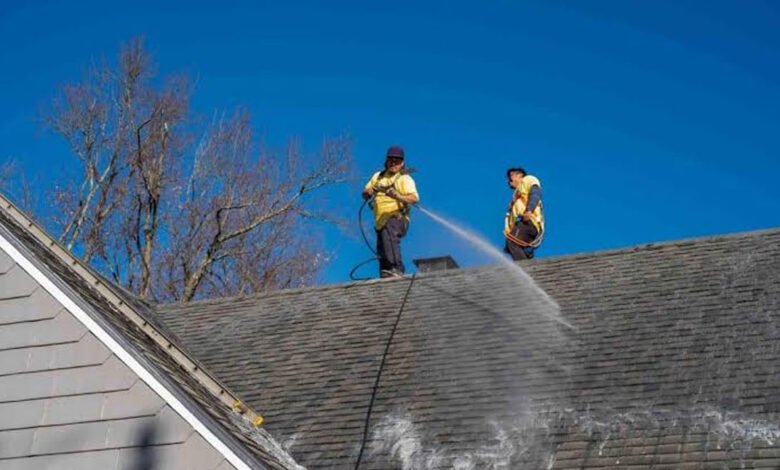
Power Washing and Roof Cleaning
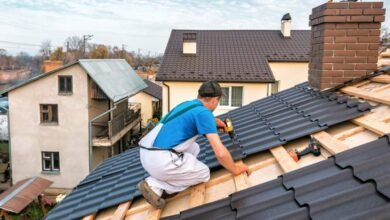
Roofing materials require particular caution because many roofs are not designed to withstand aggressive power washing. High pressure can remove protective granules from asphalt shingles or disturb other roofing materials.
For this reason, roof cleaning is often approached differently from driveway or concrete cleaning. Low-pressure cleaning and specialized treatments may be more appropriate for many roofs.The roof’s condition should be assessed before any cleaning takes place. If shingles are loose, damaged, or deteriorated, cleaning may need to be postponed until repairs or further evaluation have been completed.
Gutter and Drainage Maintenance
Exterior cleaning should also consider the property’s drainage system. Gutters collect rainwater from the roof and direct it toward downspouts, but they can become clogged with leaves, dirt, moss, and other debris.Blocked gutters may overflow during rainfall and send water onto siding, fascia, landscaping, and areas around the foundation. Cleaning gutters separately from power washing can help maintain proper water flow.A complete exterior maintenance plan can combine gutter cleaning with driveway, sidewalk, patio, siding, and other appropriate cleaning services. This creates a broader approach to keeping the property clean and functional.
Improving Curb Appeal
Clean exterior surfaces can significantly improve a property’s appearance. A stained driveway, dirty walkway, weathered patio, or discolored fence can make an otherwise attractive building appear neglected.Power washing can remove visible grime and restore a cleaner appearance to suitable surfaces. This can be especially helpful before selling, renting, renovating, or hosting an important event at the property.However, cleaning should be combined with appropriate repairs when damage is present. Washing a surface cannot correct cracks, structural deterioration, loose materials, or other underlying problems.
Preventive Maintenance Benefits
Regular exterior cleaning can support preventive maintenance by removing contaminants before they become heavily established. It can also make surface defects easier to see.Once dirt and organic growth have been removed, property owners may notice cracks, deteriorated finishes, loose boards, damaged joints, or drainage problems that require attention.Cleaning does not replace professional inspections or repairs, but it can be a useful part of a broader property maintenance plan. Keeping surfaces clean can make it easier to monitor changes and respond to developing concerns.
How Often Should Power Washing Be Done?
Cleaning frequency depends on the property’s environment, surface materials, weather exposure, surrounding vegetation, and amount of traffic. There is no universal schedule that applies to every property.Driveways and walkways may require cleaning when visible dirt and stains become noticeable. Patios may need attention after periods of heavy use or seasonal weather exposure, while fences and exterior walls may require less frequent cleaning.Properties surrounded by trees or exposed to significant moisture may accumulate organic debris more quickly. Regular visual inspections can help determine when cleaning is appropriate rather than relying exclusively on a fixed schedule.
Why Professional Power Washing Is Beneficial
Professional power washing can provide several advantages for property owners. Experienced cleaners understand how to adjust equipment settings according to different materials and contamination levels.Professional service can also save time and reduce the physical effort involved in cleaning large exterior areas. A driveway, patio, sidewalk, fence, and building exterior can require significant effort when cleaned manually.Safety is another important consideration. Pressurized equipment can be difficult to control, while wet surfaces may become slippery. Working from ladders or elevated areas can create additional risks. Professional cleaners can use appropriate equipment and safety procedures to reduce these concerns.
Common DIY Power Washing Mistakes
One of the most common mistakes is using too much pressure. A homeowner may assume that stronger pressure will produce faster results, but excessive force can damage surfaces quickly.Another common problem is holding the nozzle too close to the material. This concentrates pressure in one area and can leave marks, grooves, or other damage. Using the wrong nozzle can create similar problems.Ignoring surrounding landscaping and drainage can also create unnecessary issues. Water and debris need to be managed properly during the cleaning process.
Combining Power Washing With Other Exterior Services
A property may benefit from several exterior cleaning services depending on its condition. Power washing can address suitable concrete, masonry, patios, driveways, and other durable surfaces, while soft washing may be more appropriate for roofs and delicate siding.Gutter cleaning, house washing, roof maintenance, fence cleaning, and other services can also be incorporated into a broader maintenance plan. Combining suitable services can improve the overall appearance of the property and allow multiple maintenance concerns to be addressed efficiently.However, every surface should still be treated individually. A professional should determine which method is suitable instead of applying power washing indiscriminately across the entire property.
Choosing a Professional Cleaning Provider
When selecting a cleaning company, property owners should consider experience, equipment, safety practices, cleaning methods, and knowledge of different exterior materials. A reputable provider should inspect surfaces before beginning work and explain the recommended approach.It is also important to ask how landscaping, windows, doors, electrical fixtures, and other sensitive areas will be protected. A professional service should focus on both cleaning effectiveness and surface preservation.The objective should be to achieve a thorough clean without using unnecessary pressure or unsuitable techniques. Careful preparation and controlled equipment operation can make a significant difference in the final result.
Conclusion
Power washing can be an effective method for removing stubborn dirt, grime, stains, mud, algae, and other contaminants from suitable exterior surfaces. Driveways, sidewalks, patios, fences, and certain masonry areas can often benefit from controlled pressurized cleaning. Regular maintenance can improve curb appeal, make surfaces easier to inspect, and help prevent heavy buildup from becoming difficult to manage.The effectiveness of power washing depends on selecting the right pressure and technique for each individual surface. Stronger pressure is not always better, and delicate materials may require soft washing or another gentler cleaning method. Proper preparation, runoff management, landscaping protection, and attention to existing surface damage are also important parts of responsible exterior cleaning.Professional power washing can therefore be an important component of a broader property maintenance strategy. When combined with suitable services such as soft washing, roof cleaning, gutter cleaning, and house washing, it can help maintain a cleaner and more attractive exterior. With regular attention and appropriate cleaning techniques, property owners can preserve the appearance of their outdoor surfaces while reducing unnecessary wear and supporting the long-term condition of the property.