Why Indoor Science Experiences Are the Best Rainy Day Activity for Families in Florida

Florida’s reputation precedes it: sunshine, theme parks, and some of the most dramatic afternoon thunderstorms in the country. Anyone who has spent a summer in the Sunshine State knows the rhythm well, clear skies until early afternoon, then a sudden wall of rain that can last anywhere from twenty minutes to several hours. For families with young children, that unpredictability turns outdoor plans into a daily gamble. Pool days get cut short, playground outings get rained out, and parents scramble for a backup activity that won’t just mean another afternoon in front of a screen.
This is exactly where indoor science experiences earn their reputation as one of the best rainy-day activities a Florida family can turn to.
Why Indoor Science Wins on a Rainy Day
Not all indoor activities are created equal. A movie theater keeps kids dry but passive; an indoor trampoline park burns energy but offers little beyond the physical. Indoor science experiences hit a sweet spot that few other rainy-day options can match.
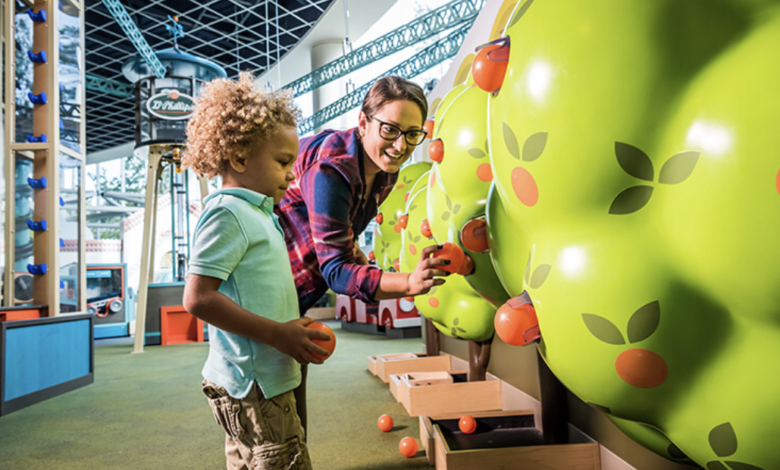
The biggest advantage is engagement. Hands-on exhibits ask kids to push buttons, pull levers, build structures, and watch cause and effect play out in real time, which keeps attention spans occupied far longer than a passive display ever could. That same hands-on format also means the learning sneaks in without feeling like a lesson; children walk away having absorbed something about weather patterns, physics, or the human body simply because they were having fun doing it.
There’s also a practical comfort factor unique to Florida. Climate-controlled exhibit halls offer relief from both the heat and the humidity, so a rainy afternoon becomes a non-issue rather than a scheduling problem. And because most science centers are built around a wide range of exhibits, a single visit can hold the attention of a toddler, a middle schooler, and the adults who brought them, which is rare for a single rainy-day outing.
What Makes an Indoor Science Experience Worth the Trip
Not every indoor attraction labeled “educational” delivers the same value. Families looking to make the most of a rainy day should keep a few things in mind when choosing where to go:
- Hands-on over hands-off. Look for exhibits kids can physically interact with rather than displays meant only to be read or watched.
- Age-appropriate range. The best venues offer something for toddlers and teenagers alike, so no one in the family is left out.
- Live programming. Planetarium shows, science demonstrations, and staff-led presentations add structure to a visit and give kids a reason to stay engaged for hours, not minutes.
- Rotating or seasonal content. Centers that refresh their exhibits give families a reason to come back on the next rainy day instead of a one-and-done visit.
- Breadth of subject matter. A strong lineup covers more than one discipline: physics, biology, space science, local ecosystems so the visit feels varied rather than repetitive.
When a venue checks these boxes, a rainy afternoon stops being a problem to solve and starts being an opportunity.
Orlando Science Center: A Florida Family’s Rainy-Day Standby
For families in and around Orlando, the Orlando Science Center checks every box above. Its four floors of hands-on exhibits span everything from a hurricane simulator and dinosaur fossils to a planetarium with daily shows and a dedicated space for the youngest visitors to experiment safely. Kids can build and test simple machines, explore the human body through interactive models, or get up close with live animals native to Florida’s own ecosystems all without stepping outside.
The experience extends beyond weekend family outings, too. Local schools regularly bring students through the center’s school programs orlando, which pair curriculum-aligned field trips with the same hands-on exhibits families visit on their own time. That dual role as a go-to weekend destination and a trusted educational resource for area schools is part of why it has become such a fixture for Central Florida families looking to turn a washed-out afternoon into a memorable one.
Making the Most of a Rainy-Day Visit
A little planning goes a long way toward a smooth visit:
- Check the showtimes before you go. Planetarium and live demonstration schedules fill up fast on rainy days, when every family in town has the same idea.
- Arrive early if possible. Central Florida storms tend to roll in during the early-to-mid afternoon, so a morning arrival often means shorter lines.
- Plan to stay a while. With multiple floors and rotating exhibits, a rushed hour barely scratches the surface budget at least two to three hours.
- Bring a reusable water bottle and snacks. Keeping kids fueled through a long visit keeps the excitement going.
Florida’s weather isn’t going to become more predictable any time soon, but that doesn’t mean family plans have to fall apart every time the forecast turns gray. An afternoon spent exploring hands-on exhibits, catching a planetarium show, or testing out a hurricane simulator turns a washed-out day into one of the best ones on the calendar rain included.