
A sea lion is yawning on a warm rock, only giving a sideways glance to the visitors just landing on the rocks. A few steps back, a massive tortoise trudges down the path like a man so used to his negligible size that he can’t help but be as relaxed as you can be.
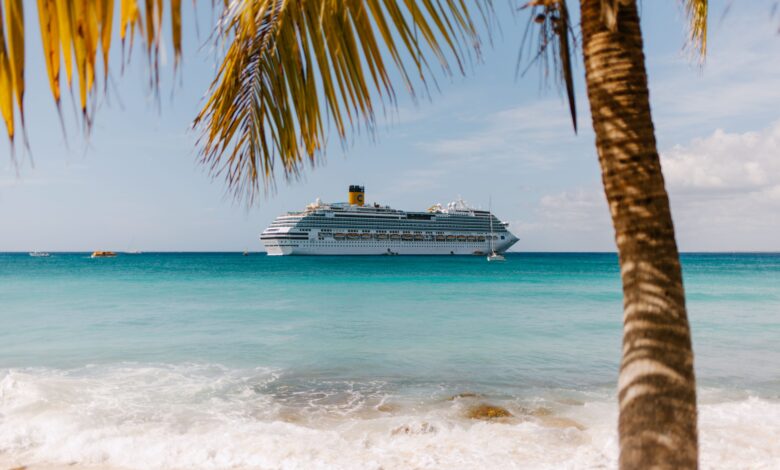
It’s a normal day in the life of the Galápagos, an archipelago of volcanic islands spread across the Pacific, 972 km west of mainland Ecuador. The islands have always appealed to the scientist and the daydreamer, but observing them well requires a bit of planning. If you are looking for comfort but still want to experience the magic, a luxury cruise is the perfect option for you.
Why Life Afloat Makes the Most Sense
The islands are widely scattered, and transferring between islands on the boat shuttles saves days of transfers and repacking. A vessel is converted into a floating base camp. A vessel turns into a mobile base camp. The ship sails at night, and its guests sleep, with the animals waking up to a new coastline and a new group of animals at the beginning of the day. That’s why Galapagos Islands cruises are so popular with those who are not interested in spending their nights changing beds for each new vista.
The destination also deserves respect. The islands are designated as World Heritage sites, and approximately 97% of the land is a national park. The park entry fee for every international visitor helps to protect and manage the national parks. Conservation science has continued to advance behind the scenes over the last 40 years. To sum up, this cruise is a conscience cruise in itself.
Darwin’s Living Laboratory Still Hums Along
The archipelago consists of 13 main islands, 6 smaller ones, and more than 100 islets and rocks, all products of volcanic fire. All that was needed was isolation. Finches, tortoises, and iguanas settled into different corners of the chain and gradually evolved into different species, helping Charles Darwin develop his theory of evolution.
It is like flipping through a field book, in lava, sand, and feathers, to walk these shores today. Protection now extends to the surrounding waters; in 2001, it also extended to the waters and the sea life.
Comfort Waits Patiently Between Adventures
Once you’ve been through the morning of walking on black lava, the merits of a well-managed luxury ship are evident. The suites on the finest ships are spacious and well-appointed, filled with large windows, crisp linens, and so much quiet that a traveller can sleep peacefully after days outdoors: lazy afternoons on the sunscreens, hot tubs for tired legs, and panoramic lounges for painting sunsets.
The cuisine does the same, relying on the chef’s imagination and using locally sourced ingredients and techniques from around the world. Wild by day and polished by night, with the addition of snorkelling gear, kayaks and evening talks from naturalists.
Tortoises, Penguins and Boobies Steal the Show
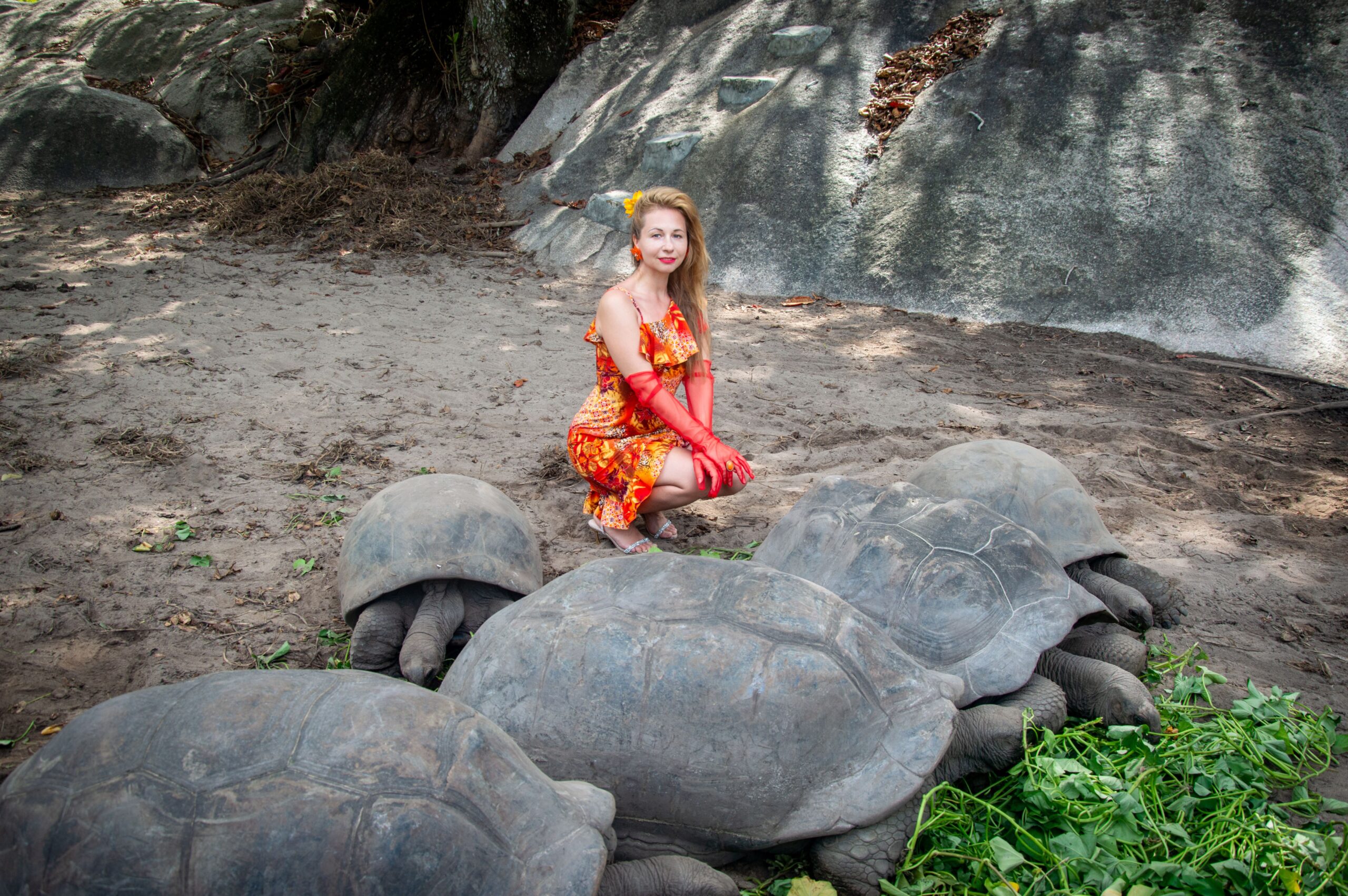
The giant tortoises take their time, walking through the highland grass; some are older than the people who observe them. The world’s only sea-going lizards, marine iguanas, cling to black rocks and sneeze out salt after feeding dives.
One of the few penguin species north of the equator, the Galápagos penguin races through the shallows, and flightless cormorants are evidence of evolution’s abandonment of wings.
Then there are the blue-footed boobies, whose pompous dance is a thing to laugh at. The only thing that brings these scenes together is the lack of fear. The animals go on their merry way, and the visitors observe.
Every Day Brings a New Way to Explore
The key to a great cruise is balance; no two days should be the same. Typical options include:
- Hikes through lava fields, volcanic craters, and highland trails (with a guide)
- Swim with playful sea lions, sweet sea turtles, and schools of tropical fish
- Paddleboarding and kayaking in designated and calm areas, where the shoreline can be studied up close
- A soft ride along cliffs and mangroves, which is a great place to watch the nesting seabirds
The rules are easy and strict. Groups of up to 16 people must have an authorised naturalist, and visitors must remain on the designated trails and never touch the animals.
East or West, Each Side Has a Personality
The eastern islands bend slightly and are vibrantly coloured. Flamingos stroll through the brackish lagoons, and blue-footed boobies and frigatebirds nest in the open. The west is wilder. The waters surrounding Isabela and Fernandina, the youngest and most volcanically active islands, are less than 1 million years old and are fed by nutrient-rich currents.
Penguins, flightless cormorants and marine iguanas are flourishing. If you have time after your trip to both, you can make a long trip to both regions if you wish, and the contrast between them is half the fun.
The Calendar Changes the Show
Visitors can enjoy the islands at any time of year, but the seasons influence the sights. The warm, wet season (December to May) offers calm seas, warmer water and green hillsides. The richer marine life is more abundant during the cooler, drier seasons from June to November, and divers flock to catch whale sharks during this period.
Wildlife comes and goes, too: waved albatrosses arrive at Española from April through November, booby courtship dates occur around May and June, while sea lion pups roll about on beaches in October and November. The temperature is typically in the range of 21°C to 30°C, with the better question being: what animal do you want to see?
Planning Details Worth Sorting Before Takeoff
To make a smooth trip, there are some practical checks to do:
- Flights: Domestic flights run from Quito or Guayaquil to Baltra or San Cristóbal.
- Fees: International adults: $200 for the park; children under 12: $100 for the park; and a Transit Control Card is approximately $20. Unless the cruise includes the park fee, this will be paid in cash at the park entrance.
- Packing: Sun-protective clothing, water shoes, hat, polarised sunglasses and an underwater camera.
- Timing: late December is popular, and September is less busy as some boats are in maintenance.
Leave Only Ripples and Carry Home the Magic
A small trip is a guided, responsibly operated luxury and wilderness experience that can share a shoreline. The Galápagos will pay for that: encounters as a tortoise crosses a path, or as a penguin darts past a snorkel mask.
Admission charges, rules and guides ensure that the islands are preserved for the next guests. Keep your gear light, follow the directions and pace yourself according to the archipelago. Patience brings wealth, and the wealthier one is, the more one will leave with a story to add to the growing pool of tales.