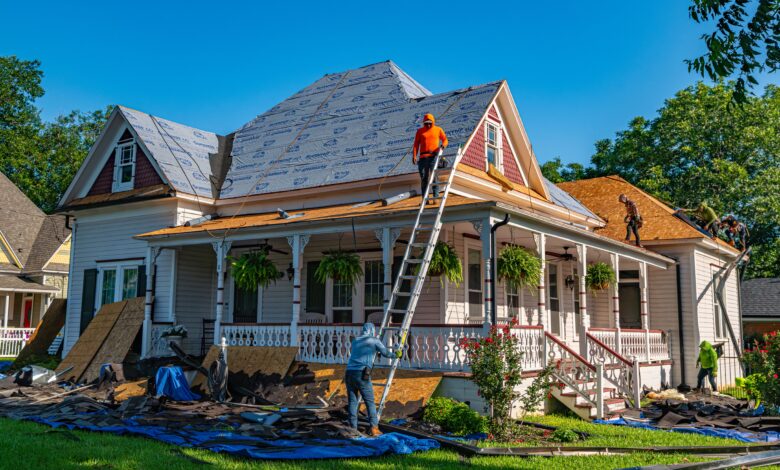

Roof replacement costs can vary significantly depending on a home’s condition, roofing materials, and installation requirements. For homeowners in Portland, factors such as frequent rainfall, moss growth, aging roofs, and local permit requirements can influence the overall project cost. Two homes in the same neighborhood may receive very different estimates because of differences in roof size, structural condition, and labor needs. Before comparing roofing estimates, homeowners should understand the main factors that affect replacement costs, including local weather conditions, material choices, and potential repair expenses.
How Weather Conditions Affect Roof Replacement Costs
Weather conditions play an important role in determining roof replacement expenses. Homes in areas with frequent rainfall and high humidity may experience faster roofing material deterioration. Continuous moisture exposure, moss growth, and clogged drainage systems can damage shingles, flashing, and roof decking over time.
These conditions can also create problems beneath the roof’s surface. Contractors may discover water damage, weakened wooden decking, or ventilation issues during replacement. Homes surrounded by mature trees may experience additional moisture buildup and debris accumulation, increasing maintenance and repair requirements.
Roof replacement involves more than installing new shingles. Homeowners must also consider waterproofing, ventilation, drainage, and the condition of existing roofing structures. These factors can significantly influence the overall project budget. When evaluating the roof replacement cost in Portland, homeowners should consider how local weather conditions affect material selection, installation requirements, and potential repairs. Choosing moisture-resistant materials and proper roofing systems can help protect homes from water damage and improve long-term durability.
Roof Size Matters, but Geometry Can Cost Even More
Many homeowners assume pricing follows a simple per-square-foot formula. In reality, geometry can drive labor costs much faster than size alone. A straightforward gable roof with easy access is one thing. A steep roof with valleys, dormers, skylights, and multiple penetrations takes far more time.
Every transition point creates extra flashing work, more cutting, and more opportunities for installation errors if the crew moves too fast. Complex rooflines also slow tear-off and cleanup. If your home has two or three stories, staging and fall protection requirements add another layer of cost.
This is where two similarly sized houses can receive very different bids. One roof may be simple and predictable. The other may involve technical detailing that pushes labor, disposal, and installation time well beyond what square footage suggests.
How Hidden Roof Damage Affects Replacement Costs
One of the main factors affecting roof replacement costs is hidden damage that becomes visible after removing the old roofing materials. A roof may appear to be in reasonable condition from the outside, but underlying problems such as rotting wood, damaged underlayment, rusted flashing, or moisture around vents and chimneys can increase repair expenses.
Older homes are more likely to experience these problems, especially when previous repairs have only addressed visible damage. Temporary fixes may cover existing issues without resolving their underlying causes. Once contractors remove the old roofing materials, they can inspect the roof decking and determine whether additional repairs are necessary to meet building standards.
This is why choosing the lowest roofing estimate may not always be the most affordable option. Some estimates may not include potential decking repairs or the replacement of damaged materials. If contractors discover hidden problems during removal, homeowners may face additional charges that increase the overall project cost.
Material Choice Affects More Than Curb Appeal
Asphalt shingles remain the most common replacement option because they balance cost, durability, and availability. Even within asphalt systems, though, pricing shifts depending on product line, impact resistance, algae protection, and warranty tier.
Architectural shingles usually cost more than basic three-tab products, but they often hold up better and look more substantial on the roofline. Metal roofing, composite systems, and cedar alternatives can raise the upfront price significantly while changing maintenance demands and expected lifespan.
Underlayment and other roofing components are just as important as the main roofing materials. Ice and water barriers, synthetic underlayment, ridge ventilation, and properly installed flashing can improve roof durability and provide better protection against moisture damage. Contractors who include a complete roofing system in their estimates may charge more, but proper installation and quality materials can improve long-term performance and reduce future repair costs.
Labor, Permits, and Disposal Affect Roofing Costs
Roof replacement costs include more than just materials. Labor is a major expense because roofing requires skilled workers, safety equipment, and proper installation. Weather conditions can also affect work schedules and increase labor costs.
Permits and inspections may add to the total cost. Some roofing projects require permits, especially when structural repairs are involved. Homeowners should check whether these expenses are included in the contractor’s estimate.
Removing old roofing materials also creates additional costs. Contractors must dispose of shingles, underlayment, flashing, and damaged wood. Dumpster rentals, transportation, and disposal fees can increase expenses, especially for larger roofs. A detailed estimate should clearly explain these charges so homeowners can plan their budgets.
Timing and Contractor Availability Can Shift Your Quote
Roof replacement costs can change depending on the season and contractor availability. Demand is often higher during dry weather, making it harder to schedule experienced roofing contractors. Limited availability can also increase labor costs.
Urgent repairs may cost more than planned replacements. Scheduling a project in advance gives homeowners time to compare estimates, choose suitable materials, and review warranty options. However, a leaking roof may require immediate attention, which can increase expenses.
Material availability can also affect project costs and timelines. Some shingles, roofing accessories, and custom metal components may take longer to arrive. Special colors or less common materials can cause additional delays. Homeowners should discuss material availability with their contractors before scheduling the project.
Why Detailed Roofing Estimates Matter
The best roofing estimate is not always the cheapest. A reliable estimate should clearly explain the materials, labor, and services included in the project. It should cover removing old roofing materials, installing underlayment, repairing flashing, improving ventilation, obtaining permits, and cleaning up after installation. Warranty details should also be included.
Homeowners should ask for a detailed cost breakdown instead of accepting a single total price. This makes it easier to compare contractors and understand what each estimate includes. Two contractors may offer similar prices but provide different materials, services, and warranty coverage.
Roof replacement involves more than improving a home’s appearance. It helps protect the property from weather damage, moisture problems, and structural issues. Understanding these factors allows homeowners to compare estimates, plan their budgets, and make informed decisions about their roofing projects.