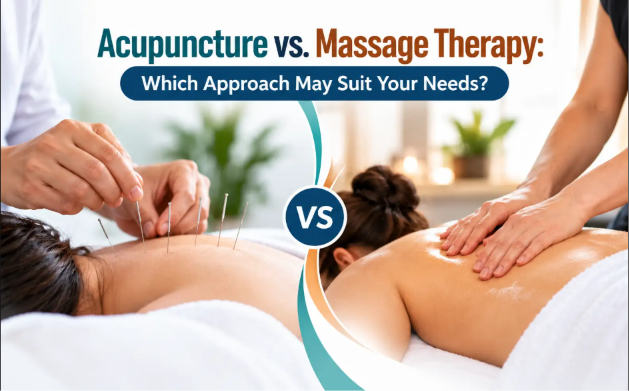

Sore back, tight shoulders. Nobody enjoys living with that. You squirm in your seat, skip certain movements, and at night it’s hard to just let go. So, you rested, and it didn’t give you the relief you’d hoped for. No big deal. Trying something else is completely reasonable. You may have already looked up an acupuncture Mississauga clinic, and massage therapy probably turned up in the same search. Two different things, really. My advice? Think about your symptoms first. Then how comfortable you’d feel with each one, and what you want out of it.
What Is Acupuncture and How Does It Work?
Fine needles, used once, sterile, set at specific points on the body. Acupuncture basically is a traditional Chinese medicine. Researchers are still looking into how it may affect pain processing and other symptoms, so the case isn’t closed.
At the start, you talk about your concerns, your health history, and your hopes for treatment. Once that is covered, the practitioner selects the points to place needles. Needles may stay put for a short while. Tingling, pressure or warmth is possible. Some people feel next to nothing.
It’s often considered for certain kinds of pain, for muscle discomfort and for tension that just hangs on. How well it works? Depends on the condition and on the person. Nothing is guaranteed.
Brand new to it? Mention medical conditions, medications or worries upfront. You should be told about the procedure, the possible side effects and what to expect before anything starts.
How Can Massage Therapy Help With Everyday Discomfort?
It’s hands-on. Simple. Muscles and other soft tissues are what the therapist works on, with gentle movements, kneading, or firmer pressure where things feel tight or sore, whichever suits you.
Shoulders that tense up when you’re stuck at a computer. Muscles that ache after you’ve been active. Stiffness that makes free movement uncomfortable. Those are the typical cases. Some people just enjoy the relaxation, too, mainly when everyday stress is why their muscles feel tight.
Pressure is usually adjustable, so speak up if it is too much or not enough. Want extra care in a certain spot? Tell them.
Muscle soreness and discomfort may ease in some cases. Not all pain, though. Symptoms sticking around, swelling nobody can explain, pain that keeps coming back: get these checked properly before you depend on massage alone.
Acupuncture vs massage therapy
Quick summary. Delivery is the main difference. One works with fine needles at selected points, the other with hands-on techniques on soft tissues. That’s pretty much what acupuncture vs massage therapy comes down to. Both may support pain management. Neither works the same way for every person, though.
| Comparison | Acupuncture | Massage therapy |
| Main technique | Fine needles placed at selected points | Hands-on pressure and soft-tissue movements |
| Common reason for considering it | Certain pain conditions and related symptoms | Muscle tightness, soreness and stiffness |
| Treatment experience | May involve mild tingling or pressure | Pressure that can be adjusted to comfort |
| Main consideration | Needle comfort, hygiene and practitioner qualifications | Pressure tolerance and the cause of discomfort |
Go by the problem you want to address. If pain keeps recurring, a qualified practitioner can talk you through acupuncture. If it’s mostly tired, tight muscles, massage may be more your thing.
Comfort with each method matters. Cost matters. Any health concerns matter too. Research findings depend on the condition, so don’t hand the decision over to sweeping promises. Anyone claiming one option is always better? Be skeptical.
Which Treatment May Be More Suitable for Back Pain?
Muscle strain. Sitting for long stretches. Repetitive movements. Underlying medical conditions. Back discomfort begins in plenty of ways. Knowing the likely cause is a lot more useful than choosing a treatment because of where the pain sits.
If symptoms won’t go away, acupuncture for back pain could be worth discussing with a qualified practitioner. Research suggests it can help some people with chronic low back pain. The relief varies, though.
Massage is another possibility, particularly when tight or sore muscles are making things worse. After hands-on treatment, some people feel more comfortable and move better, mostly if muscle tension plays a role.
Think about how long the pain’s been there. What makes it worse. Whether it’s messing with your sleep or your day. Prompt medical attention is needed for severe or worsening pain, for pain after a significant injury, and for symptoms that come with new weakness, numbness or bladder or bowel changes.
What Factors Should You Consider Before Booking?
Do a little homework first. Your main concern, the treatment style you prefer, what you can spend: think those before you book. A suitable practitioner is easier to find that way, and you’ll know more about what a session may involve.
Keep these in mind:
- Check your practitioner’s qualifications and registration.
- Share your health history and medications.
- Ask about session fees and insurance.
- Tell them where it hurts.
- Confirm needles are sterile and single-use.
A responsible practitioner will lay out what they propose, the possible risks and what’s realistic. Pushed toward a package? Don’t give in. Not helping? You don’t have to keep going.
Can Acupuncture and Massage Be Used Together?
Some people do both, mostly since the methods are so different. For certain pain symptoms, one might fit into a care plan. The other could help with muscle tension or soreness.
More treatments don’t automatically mean better results, though. Symptoms count. So does your health history, and so does how you respond to treatment. Already getting medical care? Raise complementary treatments with your healthcare provider, especially if the pain is persistent or a condition limits your treatment options.
If you try both, keep each practitioner in the loop on your schedule. Whether the timing and intensity suit you is something they can help work out.
How Can You Choose Your Next Step With Confidence?
Pin down what’s bugging you the most first. Maybe the pain keeps coming back, or your muscles feel tight, or moving feels stiff, or it’s a vague ache that hangs around. Whatever it is, speak with a qualified practitioner. A good one will be honest about what treatment can do and where it stops.
For some people, acupuncture for back pain is worth exploring. Others may like massage more, and some will do best with a broader care plan built on professional advice. There’s no single approach for everyone. Honestly, that’s perfectly normal. People respond differently, and what worked for a friend or a coworker might not do much for you. Take your time with it and don’t rush the decision.
Check out related services, including cupping therapy in Mississauga. Bruising and other side effects are possible with cupping, so discuss the risks and whether it suits you before you try it. It’s always smart to ask your practitioner plenty of questions first. Nothing wrong with taking a little time, and there’s no pressure to try everything at once.
So, what now? Nothing complicated. Talk to a professional about your symptoms, your preferences and what you want from treatment, and take in their advice properly. Don’t go in expecting miracles. Go in open and realistic, and whatever you pick will likely sit well with you.