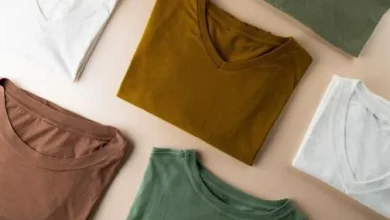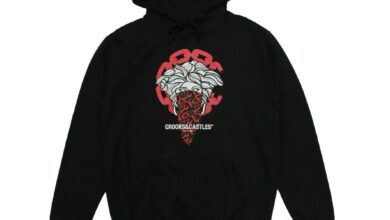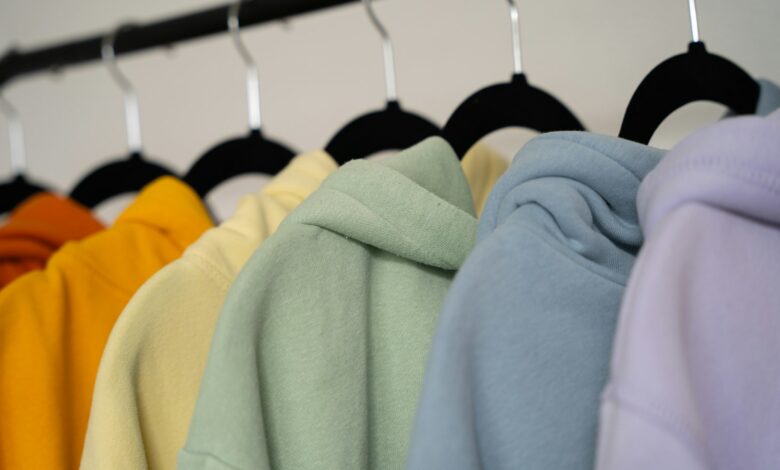

Plan French terry hoodies around the climate, fit, and layering needs of your customers. French terry has an unbrushed looped back, while brushed fleece has a raised inner surface. Choose the actual fabric and weight, then check the hoodie after washing; the name “French terry” alone does not make one style suitable for every season.
For a label, that flexibility changes how a collection is planned. A single well-made French terry style can anchor several drops, support multiple colorways, and carry decoration without the bulk of heavy fleece. This guide looks at the product from a collection-planning angle: which design decisions matter, how weight and finishing change the result, and what to settle with a French terry hoodie manufacturer before bulk production starts.
Quick Answer: Why Choose French Terry for a Hoodie Line?
French terry is a knit with a smooth outer face and loops on the inside. It can be an option for buyers who want an unbrushed hoodie; brushed fleece is an option when warmth is the priority. Compare actual fabric weight, composition, and wash performance. Do not assume that French terry is always lighter or less prone to pilling than fleece.
What Sets French Terry Apart From Fleece
The two fabrics are often confused, since both are used for sweatshirts and hoodies. The difference lies on the inside. French terry keeps its loops intact, creating a slightly textured, absorbent surface. Fleece brushes those loops into a fuzzy pile, which traps more heat and adds bulk.
UNIT-100’s practical starting point is to consider brushed fleece for warmth and loopback terry for an unbrushed feel. The final choice still depends on the specific fabric and intended use. Compare samples rather than assuming that terry will always drape better, shed less lint, or resist pilling better.
| What to compare | French terry | Brushed fleece |
| Inner surface | Visible, unbrushed loops | Raised, brushed surface |
| Starting point for selection | A loopback feel without brushing | Added warmth is a priority |
| What still needs checking | GSM, composition, fit, shrinkage, and surface wear | GSM, composition, fit, shrinkage, and surface wear |
Planning the Collection Around Weight
Choose weight together with the intended fit and market. UNIT-100’s November 2026 information gives 300–600 GSM as its normal hoodie fabric range, about 380 GSM as its most-ordered hoodie weight, and 380 GSM as the starting point for its heavyweight hoodie category. These figures cover its hoodie offering overall; they do not confirm that every weight is available in French terry.
For milder weather or indoor wear. Ask for available French terry fabrics that give the intended comfort and fit. Compare the samples rather than selecting a “lightweight” label alone.
For a core hoodie style. Use the factory’s commonly ordered weight as a discussion point, then check the selected terry fabric on a garment sample. One weight will not suit every market or layering preference.
For a heavier hoodie. UNIT-100 classifies hoodies from 380 GSM as heavyweight. Confirm the available terry construction and check the drape, hood weight, and comfort before selecting it for a boxy fit.
Many brands pick one midweight hero style and add lighter and heavier options around it. Whatever you choose, confirm the exact GSM in writing and check it on the sample, because the same name can cover quite different fabrics.
Design Details That Define a Good Hoodie
Hood Construction
A double-layer hood holds its shape and frames the face, while a single layer can collapse. Check the hood’s width and depth, the stitching around the opening, and whether the drawcord channel is reinforced. Eyelets or metal grommets add polish, and cord quality affects the overall impression.
Ribbing at Cuffs and Hem
Cuffs and hem should recover after stretching. A rib that goes slack after a few wears makes even a good fabric look tired. Dense rib with proper elastic recovery is a small detail with a big effect on perceived quality.
Pocket Design
Kangaroo pockets need reinforcement at the corners to resist pulling. Pocket depth, placement, and opening width should be specified, since poor placement affects both comfort and appearance.
Shoulder and Fit
Relaxed and boxy fits use dropped shoulders and wider bodies, while classic fits sit closer to the frame. Each needs its own pattern. Resizing a standard hoodie rarely produces a convincing oversized look, so brief your factory with measurements, not adjectives.
Seams and Stitching
Flatlock or clean overlock seams, consistent stitch density, and bar tacks at stress points all contribute to durability. Ask to see seam details on the sample.
Finishing Options That Change the Product
Shrinkage control. Agree on the intended wash and drying method and measure the sample before and afterward. UNIT-100 reports prewashing fabric for hoodies where tighter shrinkage control is needed, after encountering garments that changed size during washing and tumble-drying. Confirm the treatment for the selected fabric; pre-treatment is not a zero-shrinkage guarantee.
Garment dye and washed looks. UNIT-100 uses partner factories for garment dyeing and washing. Approve the finish on a sample and discuss acceptable variation before bulk production. For acid-wash or snow-wash effects, the factory cautions that bulk results cannot be guaranteed identical to the sample.
Changing the inner finish. If you want a brushed back, discuss it as a separate fabric or finishing choice. Approve the actual inner surface on the sample rather than assuming a light-brushing service is included with the French terry fabric.
Printing and embroidery. Confirm the artwork, technique, and placement on the chosen fabric. The hood, pocket, and seams affect the usable area. UNIT-100 handles printing in its own print shop and uses partners for embroidery; fabric weight alone does not guarantee a clean result.
Finishing choices affect cost, lead time, and final measurements, so decide them early and sample them.
Buying Guide: What to Confirm Before You Order
| Factor | What to Confirm |
| Fabric weight and composition | Record the exact selected French terry fabric, not only the general hoodie range |
| Loop structure | Approve the actual unbrushed back and outer surface |
| Hood, cuff, and pocket specs | Specify dimensions and inspect the finished sample |
| Shrinkage control | Agree on wash and drying methods and dimensional tolerances |
| Decoration | Approve technique and placement around the hood, pocket, and seams |
| Color management | Confirm the actual shade, batch allocation, and reorder availability |
| MOQ | Check quantities per style and color, with separate label and packaging minimums |
| Lead times | Separate plain, decorated, and washed sampling from bulk production and shipping |
Ask for a pre-production sample in the actual fabric, because swatches and photos don’t show how a hoodie hangs.
Common Mistakes to Avoid
Treating terry and fleece as interchangeable. They behave differently, so patterns and decoration often need adjustment.
Choosing weight without thinking about the market. A very heavy terry may sit poorly in warm regions, and a very light one may disappoint in cold ones.
Ignoring rib quality. Weak cuffs and hems degrade quickly and cheapen the entire garment.
Approving a sample unwashed. Shrinkage, twisting, and color change often appear only after laundering.
Placing graphics without testing on the hoodie. Seams, pockets, and hood construction can interfere with artwork.
Skipping reorder planning. If specs, colors, and measurements aren’t documented, future batches may not match.
Expert Tips
Create a size spec sheet for every hoodie with chest width, body length, sleeve length, shoulder drop, hood height, and pocket dimensions. Reuse the template across styles.
Test the hood by putting it up and down several times. It should hold its shape and sit comfortably.
Wash and dry the sample using the method agreed with the factory, then compare its measurements with the original. Share the result and agree on any adjustments before bulk production. Record the allowed dimensional tolerance rather than simply asking for “no shrinkage.”
Order swatches of the selected fabric in each proposed color and compare them in daylight. UNIT-100 matches a Pantone TCX reference to the closest existing color in that fabric range; confirm the proposed match. If the hoodie is garment-dyed, discuss that separate process and its expected variation.