
A lawn can receive regular watering and still develop brown patches, thinning grass, and uneven growth. For many homeowners, the immediate response is to increase watering or apply more fertilizer. However, these approaches may do little to address the underlying problem.
Healthy grass depends on several conditions working together, including soil quality, drainage, sunlight, mowing practices, and consistent moisture. When one of these factors is neglected, even a carefully maintained lawn can struggle.
Understanding why certain areas deteriorate while others remain green can help you identify problems earlier. With a few practical adjustments, you can encourage stronger roots, healthier growth, and a more attractive outdoor space.
Check Whether Your Sprinklers Are Watering Evenly
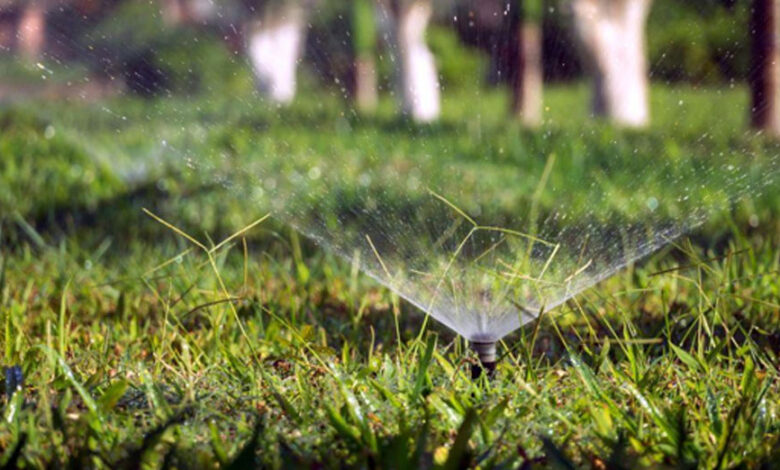
An irrigation system may run every morning without delivering enough water to every part of your lawn. Sprinkler heads can become clogged, shift out of position, or develop leaks that affect coverage.
As a result, some sections receive excessive moisture while others remain dry.
Before increasing your watering schedule, observe your sprinklers while they operate. Look for weak spray patterns, water reaching sidewalks, and areas where neighboring sprinklers fail to overlap adequately.
Homeowners often assume that dry patches mean their lawns need more water, but the problem may actually be uneven sprinkler coverage. Clogged heads, damaged pipes, or incorrect water pressure can leave certain areas struggling while others receive too much moisture. When these issues persist, irrigation specialists such as Sunrise Irrigation can help identify the cause and make the necessary adjustments to restore consistent watering across the lawn.
Understand Why More Water Is Not Always Better
When grass begins turning brown, homeowners often assume it needs additional water. However, excessive watering can create problems similar to those caused by drought.
Waterlogged soil contains less oxygen, making it difficult for grass roots to function properly.
Persistent moisture may also encourage certain fungal diseases and contribute to shallow root development.
Instead of watering frequently for short periods, many established lawns benefit from deeper, less frequent irrigation, adjusted for grass type, soil conditions, and weather.
Early morning watering generally reduces evaporation and allows foliage to dry during the day.
However, there is no universal schedule that works for every property.
Sandy soil drains quickly, while clay-heavy soil retains moisture longer.
Check the ground several inches below the surface before assuming your lawn needs additional water.
Adjusting irrigation according to actual conditions is more effective than following an inflexible daily schedule.
Look Beneath the Grass for Compacted Soil
Sometimes the problem is not how much water reaches your lawn but whether that water can penetrate the soil.
Compacted soil restricts the movement of water, oxygen, and nutrients around grass roots.
This commonly develops in areas with frequent foot traffic, heavy equipment use, or repeated pressure from outdoor furniture.
You may notice puddles after rainfall, unusually hard ground, or thinning grass along frequently used pathways.
Core aeration can help relieve compaction by removing small plugs of soil.
These openings allow water and air to move more freely into the root zone.
Aeration is generally most effective during the grass’s active growing season.
However, it cannot correct every soil problem.
Severe drainage issues, construction debris, or poor soil composition may require additional improvements.
Healthy roots need suitable growing conditions beneath the surface, not simply regular attention above it.
Adjust Mowing Habits Before Bare Spots Spread
Mowing seems straightforward, but cutting grass incorrectly can weaken an otherwise healthy lawn.
Removing too much leaf material at once reduces the plant’s ability to produce energy through photosynthesis.
Repeatedly cutting grass too short can also expose the soil to excessive sunlight and encourage weed growth.
Different grass species require different mowing heights, so identify your lawn variety before adjusting the mower.
As a general practice, avoid removing more than approximately one-third of the grass blade during a single mowing session.
Sharp mower blades are equally important.
Dull blades tear grass rather than cutting it cleanly, leaving damaged tips that may appear brown.
Change mowing direction occasionally to reduce repeated pressure on the same areas.
Small adjustments to mowing practices can make a noticeable difference in lawn density and overall appearance.
Identify Areas Where Water Cannot Drain Properly
A lawn with poor drainage may develop yellow patches, muddy sections, and areas where grass gradually disappears.
These problems often become noticeable after heavy rainfall or prolonged irrigation.
Low spots can collect water, while compacted soil and improper grading prevent moisture from moving away efficiently.
Standing water can weaken roots and create conditions favorable to certain turf diseases.
Begin by observing where water accumulates and how long it remains after rainfall.
Minor depressions may benefit from appropriate leveling, but larger drainage problems require careful evaluation.
Depending on the property, solutions may include correcting surface grading, installing drainage channels, or using underground drainage systems.
Avoid directing excess water toward neighboring properties or building foundations.
Proper drainage protects more than your lawn. It can also help preserve nearby landscaping and reduce moisture-related problems around the home.
Recognize When Shade Is Causing Thin Grass
Grass requires sufficient sunlight to maintain healthy growth, but different varieties tolerate shade differently.
Areas beneath mature trees, beside fences, or near buildings may receive too little light for certain turf species.
These sections often become thinner over time, even when watering and fertilization remain consistent.
Before treating shaded areas with additional products, observe how much direct sunlight they receive throughout the day.
Some lawns may benefit from shade-tolerant grass varieties suited to the local climate.
Selective tree pruning can sometimes improve light penetration, although major pruning should be evaluated by a qualified professional.
In heavily shaded locations, alternative groundcovers or mulched planting beds may be more practical than maintaining turfgrass.
Trying to force grass to grow where conditions are unsuitable often leads to repeated maintenance problems.
Test Your Soil Before Applying More Fertilizer
Fertilizer can support healthy lawn growth, but applying nutrients without understanding soil conditions may produce disappointing results.
Too much nitrogen can encourage excessive leaf growth while increasing maintenance requirements and potentially stressing the lawn.
Nutrient imbalances and unsuitable soil pH can also interfere with plant health.
A soil test provides useful information about nutrient availability and acidity.
Use those results to select an appropriate fertilizer and application schedule for your grass species.
Avoid applying fertilizer immediately before heavy rainfall, when nutrients may wash away.
It is also important to distinguish nutrient deficiencies from other problems.
Brown patches caused by poor irrigation, disease, or compacted soil will not necessarily improve with additional fertilizer.
Identifying the actual cause prevents unnecessary treatments and helps maintain healthier growing conditions.
Build a Seasonal Routine That Prevents Recurring Damage
Maintaining a healthy lawn requires attention throughout the year rather than occasional intensive treatments.
Grass growth changes with temperature, rainfall, and seasonal conditions.
During active growth, focus on appropriate mowing, irrigation monitoring, and identifying early signs of weeds or disease.
Inspect sprinkler heads periodically, especially after landscaping work or equipment use.
Adjust watering schedules when rainfall increases or temperatures decline.
Seasonal maintenance may also include aeration, overseeding, or fertilization, depending on the grass variety and local climate.
Keep an eye on areas that repeatedly develop bare patches.
Recurring damage often indicates an unresolved problem involving shade, soil, drainage, or irrigation coverage.
A healthy lawn is rarely the result of one product or treatment.
It develops through consistent maintenance and an understanding of what the grass actually needs.
By correcting underlying problems instead of repeatedly treating visible symptoms, homeowners can create stronger, more resilient lawns that remain attractive throughout changing seasons.