
Living in Palm Harbor means enjoying warm weather, coastal surroundings, and plenty of opportunities to spend time outdoors. However, Florida’s heat, humidity, and seasonal storms also create maintenance challenges that can affect comfort inside the home.
For homeowners in Palm Harbor, maintaining a pleasant living environment involves more than occasional cleaning or decorating. It requires attention to ventilation, moisture control, household equipment, and the condition of frequently used spaces.
Fortunately, creating a comfortable home doesn’t always require major renovations. A few practical maintenance habits can prevent everyday inconveniences, protect important household features, and make your living space more enjoyable throughout the year.
Keep Your Indoor Climate Comfortable Without Constant Adjustments
Indoor comfort depends on more than the temperature displayed on your thermostat. Humidity, airflow, sunlight, and insulation all influence how a room feels throughout the day.
In Florida’s humid climate, cooling systems work particularly hard to maintain comfortable conditions. When airflow becomes restricted or equipment develops problems, certain rooms may feel warmer than others.
Homeowners experiencing recurring cooling issues should pay attention to unusual noises, inconsistent temperatures, and unexpected increases in electricity consumption.
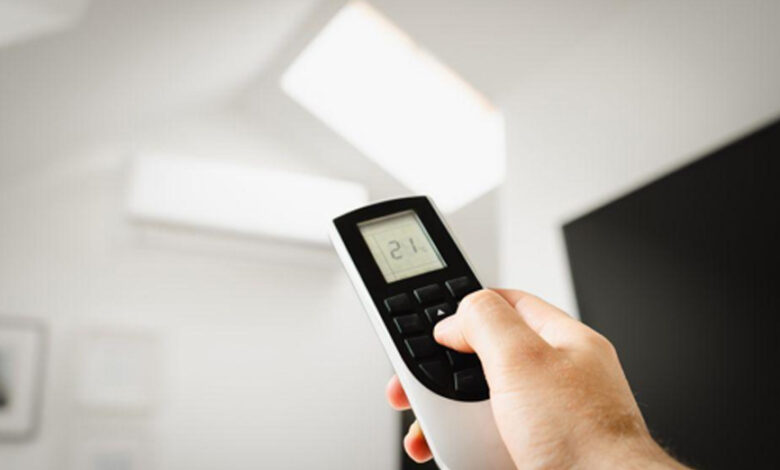
For those maintaining air conditioning in Palm Harbor, regular filter changes, professional inspections, and timely repairs can help keep cooling equipment operating reliably.
Simple household adjustments also make a difference. Closing blinds during intense afternoon sunlight can reduce heat entering rooms, while keeping supply vents unobstructed supports better airflow.
Rather than repeatedly lowering the thermostat, identify what is causing discomfort. Addressing the underlying issue often provides more consistent results.
Prevent Moisture From Becoming a Household Problem
Humidity can affect everything from indoor comfort to the condition of furniture, walls, and stored belongings.
Bathrooms, laundry rooms, kitchens, and poorly ventilated closets are particularly vulnerable to excess moisture.
Over time, persistent dampness can contribute to unpleasant odors, peeling paint, and mold growth.
Start by checking whether bathroom exhaust fans and kitchen ventilation systems are working properly. Use exhaust fans during moisture-producing activities and ensure they vent outdoors.
Inspect plumbing connections beneath sinks and around appliances for slow leaks that might otherwise go unnoticed.
Indoor humidity can be monitored with an inexpensive hygrometer. Maintaining appropriate humidity levels helps protect household materials and improves comfort.
Avoid placing furniture directly against walls that regularly experience condensation.
If moisture problems persist despite routine precautions, investigate possible plumbing, ventilation, or building-envelope issues rather than simply covering affected surfaces.
Make Your Entryway Work Harder for Your Daily Routine
An organized entryway can make leaving and returning home considerably easier.
Unfortunately, this area often becomes a collection point for shoes, bags, mail, umbrellas, and miscellaneous belongings.
Instead of relying on constant tidying, create storage arrangements that match your household’s habits.
A narrow bench with shoe storage can provide a convenient place to sit while keeping footwear organized.
Wall hooks offer accessible storage for frequently used bags, hats, and lightweight jackets.
Choose flooring and mats that tolerate moisture and are easy to clean, particularly during rainy weather.
Regularly inspect door seals and weatherstripping for gaps that allow conditioned air to escape or moisture to enter.
An entryway should feel welcoming without requiring elaborate decoration.
When essential belongings have designated locations, daily routines become smoother, and clutter is less likely to spread into surrounding rooms.
Protect Your Furniture From Sunlight and Everyday Wear
Natural sunlight makes interiors feel brighter and more inviting, but prolonged exposure can gradually fade upholstery, flooring, and decorative materials.
Rooms with large windows may experience particularly noticeable changes.
Consider using curtains, blinds, or window coverings that reduce intense sunlight during the brightest hours.
Rearranging smaller decorative items occasionally can also prevent uneven fading on exposed surfaces.
Furniture maintenance should reflect the materials involved.
Wooden surfaces may require different cleaning products than leather, fabric, or engineered finishes.
Follow manufacturer recommendations instead of using harsh multipurpose cleaners on every surface.
Vacuum upholstered furniture regularly, paying attention to cushions and areas where dust collects.
For heavily used seating, rotating removable cushions can help distribute wear more evenly.
These small habits preserve the appearance of your furnishings while keeping frequently used rooms comfortable and presentable.
Create a Kitchen That Is Easier to Maintain
A practical kitchen should make cooking, cleaning, and storing groceries feel manageable.
However, crowded countertops and poorly organized cabinets can turn simple tasks into frustrating routines.
Begin by keeping frequently used utensils and appliances near the areas where they are needed.
Store occasional-use equipment separately to free up valuable working space.
Clean refrigerator door seals periodically and check that they close properly.
Inspect the area beneath the kitchen sink for moisture, particularly around plumbing connections and the dishwasher supply line.
Grease and residue can accumulate around cooking surfaces, so establish a cleaning routine that prevents buildup.
Pay attention to ventilation when preparing meals that produce steam or strong odors.
A well-maintained kitchen doesn’t need to look perfectly arranged at every moment.
It should simply provide enough organization, cleanliness, and accessible storage to make everyday food preparation easier.
Give Outdoor Living Areas Regular Attention
Patios, porches, and backyard seating areas can become favorite gathering places when they remain comfortable and easy to use.
However, outdoor furniture and surfaces are continually exposed to weather, moisture, and debris.
Inspect seating materials periodically for loose connections, damaged fabric, or signs of deterioration.
Clean outdoor cushions according to their care instructions and allow them to dry thoroughly before storage.
Check patio surfaces for slippery buildup, uneven paving, or drainage problems that could create hazards.
Trim vegetation that blocks walkways or grows too close to exterior equipment.
During storm season, secure lightweight furniture and decorative items that could be displaced by strong winds.
Consider whether seating arrangements provide sufficient shade and allow comfortable movement.
Regular outdoor maintenance helps preserve these spaces as enjoyable extensions of the home rather than areas that require extensive cleaning before every gathering.
Establish a Seasonal Maintenance Routine You Can Actually Follow
Home maintenance becomes easier when responsibilities are divided into manageable tasks throughout the year.
Waiting until several problems appear simultaneously can make ordinary upkeep feel overwhelming.
Create a simple schedule covering plumbing checks, ventilation, appliance maintenance, exterior inspections, and general cleaning.
Some activities, such as checking for leaks, can be completed monthly.
Others, including inspecting weatherstripping or cleaning difficult-to-reach areas, may only require occasional attention.
Seasonal changes provide useful reminders to review household conditions.
Before periods of heavy rain, inspect drainage areas and clear debris from accessible gutters where it is safe to do so.
Keep records of professional servicing, repairs, and equipment warranties.
A practical schedule should reflect your home’s age, condition, and specific maintenance requirements.
Consistency matters more than completing an unnecessarily long checklist.
Design Your Home Around Comfort Rather Than Constant Upkeep
A comfortable lifestyle becomes easier to maintain when design decisions account for everyday responsibilities.
Choose furnishings, finishes, and organizational systems that suit how your household actually functions.
For example, washable rugs may be more practical in high-traffic areas than delicate materials requiring specialized cleaning.
Accessible storage can reduce clutter, while durable surfaces make routine maintenance less demanding.
Consider how household needs might change over time.
Flexible furniture arrangements and multipurpose rooms can accommodate new hobbies, work arrangements, or family responsibilities without extensive remodeling.
Before making decorative changes, address maintenance concerns that interfere with comfort or convenience.
An attractive room offers limited enjoyment when persistent moisture, poor ventilation, or damaged fixtures remain unresolved.
Ultimately, a welcoming home is not defined by expensive upgrades or flawless interiors. It is shaped by practical choices that make daily activities easier, preserve the spaces you enjoy, and reduce avoidable household frustrations.