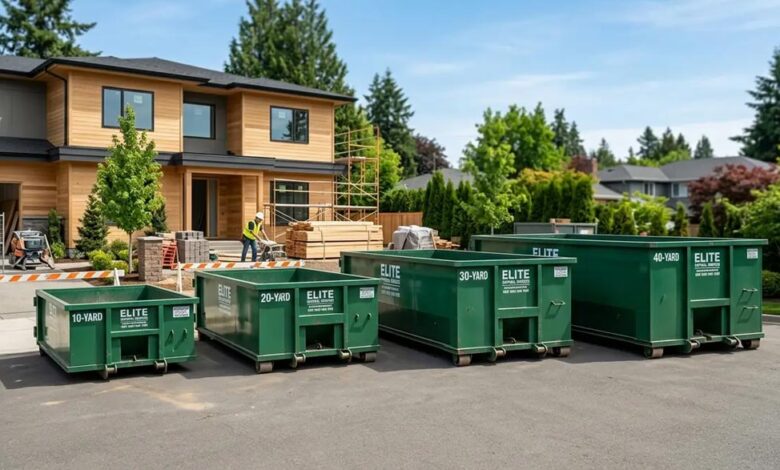

Managing waste efficiently is an important part of home improvement projects, renovations, construction work, cleanouts, and large-scale property maintenance. Ordinary household trash containers are often not large enough to handle bulky materials, renovation debris, furniture, packaging, or accumulated waste from major projects. A suitable waste container can provide a practical way to keep debris organized and make cleanup more manageable. Before arranging a dumpster rental, it is useful to understand container sizes, accepted materials, placement considerations, rental periods, loading practices, pricing factors, and responsible disposal methods. Careful planning can make waste management more convenient while helping prevent unnecessary costs and complications.
Understanding the Purpose of a Dumpster
A dumpster is a large waste container designed to hold substantial amounts of debris and materials that are difficult to manage through regular trash collection. These containers are commonly used for remodeling projects, construction work, property cleanouts, roofing projects, landscaping jobs, and other activities that generate more waste than normal household disposal systems can handle. The size and type of container should be selected according to the expected amount and type of material. Before arranging a dumpster rental, users should estimate the volume of waste they expect to produce and understand the provider’s rules regarding acceptable materials. This preparation can help ensure that the selected container is appropriate for the project.
Choosing the Right Container Size
One of the most important decisions is selecting a container with enough capacity for the project. Smaller containers may be suitable for limited cleanouts or minor renovations, while larger containers can accommodate substantial amounts of construction or household debris. Choosing a container that is too small can require an additional pickup or another rental, increasing the overall cost and extending the project timeline. On the other hand, selecting an unnecessarily large container may mean paying for unused capacity. When planning a dumpster rental, homeowners and contractors should consider the amount of debris, the density of materials, available space, and expected project duration. A provider can often help recommend a suitable size based on the project description.
Estimating the Amount of Waste
Accurately estimating waste volume can make the rental process much easier. Different projects produce very different types and quantities of debris. A bathroom renovation may generate old fixtures, flooring, drywall, and packaging, while a property cleanout may produce furniture, household items, boxes, and miscellaneous materials. Construction projects can create heavier debris such as concrete, bricks, wood, and other building materials. Before ordering a dumpster rental, it is useful to make a rough inventory of everything that needs to be removed. Estimating both volume and material type helps avoid choosing a container that is unsuitable for the project’s needs.
Considering the Type of Project
The type of project has a major influence on the appropriate waste-management solution. Homeowners may need a container for spring cleaning, remodeling, moving preparation, or estate cleanouts, while contractors may require one for demolition, construction, roofing, or landscaping work. Each project can produce different materials and may have different disposal requirements. When arranging a dumpster rental, users should explain the nature of the project to the provider and identify the materials expected to enter the container. Clear communication helps reduce the possibility of receiving an unsuitable container or discovering disposal restrictions after the project has already started.
Understanding Accepted Materials
Not every type of waste can be placed in every dumpster. Commonly accepted materials may include household junk, furniture, wood, drywall, certain construction debris, cardboard, and other general waste. However, hazardous substances, certain chemicals, batteries, some electronic equipment, medical waste, tires, and other restricted materials may require separate disposal methods. The exact rules can vary between providers and disposal facilities. Before starting a dumpster rental service, users should ask for a clear list of accepted and prohibited materials. Separating restricted items in advance can prevent contamination, additional charges, or refusal of the container during collection.
Planning the Placement Area
The location where the dumpster will be placed should be considered before delivery. The area needs to provide sufficient room for the container itself and enough access for the delivery vehicle. A stable and reasonably level surface is generally preferable because it helps keep the container secure during loading and pickup. Overhead obstacles, narrow driveways, gates, parked vehicles, and other physical restrictions should also be considered. During dumpster rental planning, users should make sure the placement area is accessible throughout the rental period. Keeping the surrounding space clear can make loading easier and reduce potential delivery or pickup complications.
Preparing Before Delivery
Preparing the site before the container arrives can save time and make the project more efficient. Vehicles, equipment, furniture, and other obstacles should be moved away from the planned placement area. If the dumpster will be used during a renovation or construction project, workers should have a clear route for carrying debris to the container. When arranging a dumpster rental, it is also helpful to confirm the delivery schedule, container dimensions, rental period, and loading requirements in advance. Good preparation ensures that the container can be delivered without unnecessary delays and that the project can begin waste removal immediately.
Understanding Rental Periods
Rental periods vary depending on the provider and the type of project. Some projects may require only a few days, while larger renovations or construction work may continue for several weeks. Before ordering a dumpster rental, users should estimate how long the container will be needed and ask about the terms for extending the rental period. Finishing earlier than expected may also affect pickup scheduling, depending on the provider’s policies. Understanding these details beforehand helps users avoid unexpected extension fees or scheduling issues. A realistic rental period should account for the project’s preparation, active work, cleanup, and final debris removal.
Loading the Dumpster Properly
Proper loading is important for safety, capacity, and efficient transportation. Waste should generally be distributed throughout the container instead of being piled heavily on one side. Heavy materials should be placed carefully so that they do not create unstable weight distribution. Items should also remain within the container’s permitted fill level because overloading can create safety hazards during transportation. During dumpster rental use, users should follow the provider’s instructions regarding weight limits and maximum fill height. Proper loading allows more debris to fit safely and helps reduce the possibility of additional charges or pickup delays caused by an overloaded container.
Avoiding Overloading
A dumpster should never be filled beyond the level permitted by the provider. Materials extending above the container can create hazards during transportation because debris may fall out while the container is being moved. Excessive weight can also exceed the container’s capacity or transportation limits. Before arranging a dumpster rental, users should ask about weight restrictions, especially when disposing of dense materials such as concrete, brick, soil, or other heavy debris. If a project involves particularly heavy materials, a specialized container or alternative disposal arrangement may be more appropriate. Understanding these limits in advance helps prevent unexpected costs and safety problems.
Managing Heavy Materials
Dense materials require special attention because weight can become a more significant concern than volume. Concrete, bricks, dirt, stone, tile, and similar materials can fill a container’s weight capacity long before the container appears physically full. Homeowners and contractors should discuss heavy debris with the provider before ordering a container. A dumpster rental intended for general household waste may not be appropriate for large quantities of dense construction material. Separating heavy debris from lighter waste can also make disposal more manageable. Proper planning ensures that the selected container and transportation method are appropriate for the project’s material load.
Keeping the Work Area Organized
A waste container can become a central part of a cleanup project, so keeping the surrounding area organized is important. Debris should be carried directly to the container whenever practical instead of allowing piles to accumulate around the work site. This can reduce trip hazards and make the overall project easier to manage. During dumpster rental use, maintaining clear access around the container also makes it easier to load materials safely. Tools, equipment, and other project supplies should be kept separate from waste so that valuable items are not accidentally discarded. An organized work area supports both safety and efficiency.
Understanding Pricing Factors
The cost of waste-container service can depend on several factors, including container size, rental duration, material type, weight, delivery distance, disposal fees, and local requirements. Some providers may offer a base rate that includes a specific rental period and weight allowance, while additional charges may apply if limits are exceeded. Before confirming a dumpster rental, users should ask for a clear explanation of what is included in the quoted price. Understanding potential additional charges can make budgeting easier. It is also useful to ask whether delivery, pickup, disposal, overage, extension, or special-material fees are handled separately.
Avoiding Unexpected Charges
Unexpected fees can often be reduced through careful planning and communication. Users should confirm the allowed materials, weight limits, rental duration, fill requirements, and pickup procedures before the container arrives. Prohibited materials should be kept out of the dumpster, and heavy debris should be discussed in advance. During dumpster rental use, maintaining the container within its capacity and scheduling pickup appropriately can also help control costs. Reading the rental terms carefully provides a clearer understanding of financial responsibilities. Asking questions before signing an agreement is generally easier than resolving unexpected charges after the container has already been collected.
Safety Considerations
Safety should remain a priority whenever large quantities of waste are being handled. Workers should use appropriate protective equipment when dealing with construction debris, sharp materials, dust, or potentially hazardous objects. Heavy items should be lifted carefully, and large materials should not be thrown from unsafe heights. Children and pets should be kept away from the container and active work area. During dumpster rental projects, users should also avoid climbing inside the container because unstable debris can shift unexpectedly. Following basic safety practices can reduce injuries and help keep the cleanup process controlled and organized.
Planning the Final Pickup
Once the project is complete, the container should be checked to make sure it meets the provider’s requirements. Restricted materials should not be present, debris should remain within the permitted fill level, and the surrounding area should be clear enough for the pickup vehicle. Before scheduling a dumpster rental pickup, users should confirm the preferred collection date and ensure that vehicles or equipment will not block access. A final inspection can help identify overloading or prohibited-material issues before the container is removed. Good planning at this stage can prevent delays and help complete the waste-removal process smoothly.
Environmentally Responsible Waste Management
Responsible waste management involves more than simply putting everything into one container. Whenever practical, reusable, recyclable, or donation-worthy materials can be separated before disposal. Cardboard, certain metals, reusable furniture, and other recoverable materials may have alternative destinations depending on local programs and provider policies. During dumpster rental projects, separating materials can reduce the amount of waste sent for disposal and may support more sustainable cleanup practices. Hazardous or restricted materials should always be handled through appropriate specialized channels. Responsible sorting can make large cleanup projects more environmentally conscious without making the process unnecessarily complicated.
Final Thoughts
A well-planned waste container can make renovations, cleanouts, construction projects, and property maintenance much easier to manage. Selecting the appropriate size, understanding accepted materials, preparing the placement area, following weight limits, and loading the container safely are all important parts of an efficient waste-removal plan. A properly arranged dumpster rental can help keep debris contained, improve work-site organization, and simplify final cleanup. Homeowners and contractors should always review provider requirements before beginning the project and communicate clearly about the expected materials and rental duration. With thoughtful preparation and responsible disposal practices, a dumpster can provide a practical solution for managing large amounts of project waste.