A Complete Guide to Choosing, Installing, and Maintaining a Durable Roofing System

A roof is one of the most important components of any building because it protects the interior from weather, moisture, temperature changes, and everyday environmental exposure. Choosing the right roofing material can influence durability, maintenance requirements, energy performance, appearance, and long-term ownership costs. Metal roofing has become an increasingly considered option for property owners who want a durable and practical roofing system. It can be designed in different profiles, finishes, colors, and styles, allowing it to work with a wide range of architectural designs. Understanding its characteristics, installation requirements, maintenance needs, and potential benefits can help property owners make informed decisions about their roofing projects.
Understanding Modern Roofing Materials
Roofing materials are available in many forms, including asphalt-based products, clay and concrete tiles, wood products, synthetic materials, and various types of metal. Each material has its own characteristics, maintenance requirements, expected service life, and installation considerations. Metal roofing can provide a combination of strength, relatively low maintenance, and design flexibility when properly selected and installed. However, not every metal system is identical, and performance can depend on the material, coating, profile, fasteners, installation technique, and quality of workmanship. Learning about these factors before making a decision can help property owners select a system that matches their building and long-term needs.
Common Types of Metal Roofing
Several different metal materials and panel styles are available for roofing applications. Steel is commonly used because it offers strength and can be manufactured with protective coatings designed to improve resistance to corrosion. Aluminum is another option and is known for its resistance to rust, while copper and zinc can provide distinctive appearances and long service potential. Panels may have standing seams, exposed fasteners, interlocking designs, or other profiles depending on the project. Metal roofing should be selected according to the building’s design, environmental exposure, budget, and maintenance expectations. A professional roofing contractor can explain how different materials and profiles may perform under the specific conditions of a project.
Durability and Long-Term Performance
One of the primary reasons property owners consider metal as a roofing material is its durability. Properly manufactured and installed panels can withstand many common forms of environmental exposure and may remain functional for decades with appropriate care. Metal roofing can resist issues that affect some other materials, although no roofing system is completely maintenance-free or immune to damage. The quality of the material and installation plays an important role in long-term performance. Fasteners, seams, flashing, coatings, and penetrations should all be installed correctly to reduce the possibility of leaks or premature deterioration. Regular inspections can help identify small problems before they become more serious.
Resistance to Weather Exposure
Roofs are exposed to changing weather throughout the year, including rain, wind, sunlight, temperature changes, and moisture. Metal panels are designed to provide a protective outer layer over the building, but their performance depends heavily on correct installation and suitable material selection. Metal roofing systems can be manufactured with protective finishes that help reduce corrosion and maintain their appearance. However, scratches, damaged coatings, improper fasteners, or poor installation can create areas where deterioration may develop. Regular inspections can help identify these concerns early. Keeping drainage paths clear and repairing damaged areas promptly can contribute to better long-term roof performance.
Energy Efficiency Considerations
The roof can influence how much heat enters or leaves a building, making material selection an important consideration for energy performance. Some metal roof systems are available with reflective finishes designed to reduce the absorption of solar heat. The overall performance of a building, however, depends on more than the outer roofing material. Insulation, ventilation, roof design, color, building orientation, windows, and other components can also influence indoor temperatures. Metal roofing may contribute to an efficient building envelope when it is combined with appropriate insulation and ventilation. Property owners should consider the entire roof assembly rather than judging energy performance based on the surface material alone.
Installation Requires Proper Planning
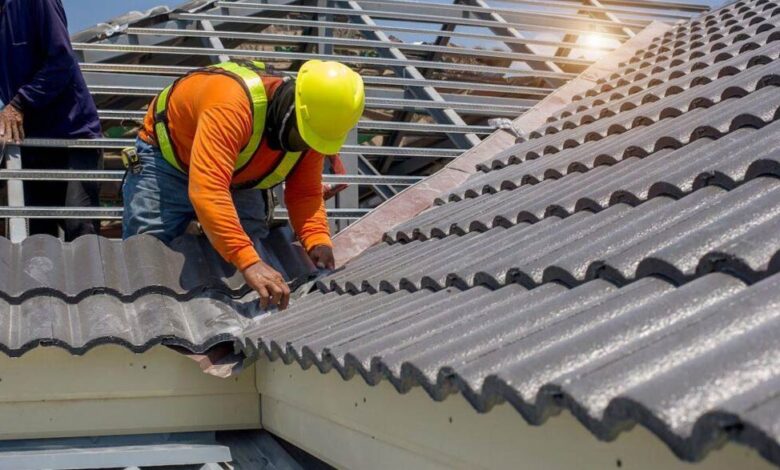
A durable roof depends on more than the quality of the panels themselves. The underlying structure, roof deck, underlayment, flashing, ventilation, fasteners, and drainage components all need to be considered before installation. Metal roofing should be installed according to the requirements of the selected system and the building. Measurements should be accurate, panels should be aligned correctly, and penetrations should be properly sealed. Incorrect installation can result in leaks, movement, corrosion, or other problems that may shorten the useful life of the roof. Hiring experienced professionals can help ensure that the roofing system is installed according to appropriate manufacturer and project requirements.
Importance of Proper Ventilation
Ventilation is an important part of a well-designed roofing system because it helps manage heat and moisture within the roof assembly. Poor ventilation can contribute to condensation, moisture accumulation, and deterioration of certain roofing components. Metal roofing does not eliminate the need for proper attic or roof ventilation. Instead, the entire roof system should be designed to manage airflow and moisture appropriately. The correct ventilation approach depends on the building design, insulation arrangement, roof configuration, and local construction requirements. Addressing ventilation during the planning stage can help protect both the roofing material and the structure beneath it.
Maintenance Requirements
Although metal is often considered a relatively low-maintenance roofing material, regular inspections are still important. Property owners should periodically check for damaged panels, loose fasteners, blocked drainage areas, damaged flashing, scratches, or other visible issues. Metal roofing can perform well for many years when minor problems are addressed promptly. Leaves, branches, dirt, and other debris should not be allowed to accumulate around drainage points because blocked water flow can contribute to moisture problems. Maintenance should be performed carefully to avoid damaging protective coatings. Professional inspections may also be useful when the roof is difficult to access or when more complicated issues are discovered.
Protecting Against Corrosion
Corrosion is an important consideration for any metal product exposed to moisture and environmental conditions. Protective coatings and suitable material selection can help reduce corrosion risk, but damage to the surface or improper installation may create vulnerabilities. Metal roofing should be inspected for scratches, exposed areas, incompatible materials, or conditions that could encourage corrosion. Fasteners should also be appropriate for the roofing material and installed correctly. If damage is discovered, it should be evaluated and repaired according to the system manufacturer’s recommendations. Preventive maintenance can help protect the roof’s appearance and structural performance over the long term.
Design and Appearance Options
A roof is not only a functional component but also an important part of a building’s visual appearance. Modern metal products are available in a variety of colors, finishes, profiles, and textures. This allows property owners to select designs that complement the architectural style of the building. Metal roofing can be made to create clean contemporary lines or more traditional appearances depending on the selected profile. The finish can also influence how the roof looks as it ages. When choosing a design, consider the building’s exterior materials, architectural proportions, maintenance expectations, and long-term preferences rather than focusing only on current trends.
Noise and Insulation Considerations
Some people associate metal roofs with increased noise during rainfall, but the actual sound level depends significantly on the overall roof assembly. Insulation, underlayment, decking, attic construction, and interior finishes can all influence how much outside sound is transmitted indoors. Metal roofing installed over a properly designed roof assembly does not necessarily create an uncomfortable indoor environment. If noise is an important consideration, discuss insulation and underlayment options with the roofing professional before installation. Addressing these factors during planning is generally easier than attempting to modify the roof assembly after the project has been completed.
Cost and Long-Term Value
The initial price of a roofing system is only one factor to consider when comparing materials. Property owners should also evaluate expected service life, maintenance requirements, repair needs, installation costs, and the potential frequency of replacement. Metal roofing may have a higher initial cost than some basic roofing products, but its durability and maintenance characteristics may make it attractive for certain projects. The actual value depends on the material selected, installation quality, building design, and maintenance practices. A detailed estimate should include all components of the roof assembly rather than focusing only on the visible panels.
Repairing Common Problems
Even durable roofing systems can eventually develop problems. Loose fasteners, damaged flashing, scratches, sealant deterioration, blocked drainage, and impact damage can occur over time. Small problems should be addressed before they develop into larger leaks or structural concerns. Metal roofing repairs should be performed using compatible materials and appropriate techniques to avoid creating additional issues. If a problem is difficult to identify, a professional inspection can help determine its source. Attempting to repair complex roofing problems without adequate knowledge may result in further damage or create conditions that allow moisture to enter the building.
Preparing for Professional Installation
Before a roofing contractor begins installation, property owners should discuss the project requirements in detail. The existing roof structure should be evaluated, measurements should be confirmed, and the expected scope of work should be clearly understood. Metal roofing installation may involve removing an existing roof, installing over an approved existing surface, replacing damaged decking, or making structural improvements depending on the project. The contractor should also explain material specifications, ventilation, flashing, fasteners, drainage, warranties, and maintenance expectations. Clear communication before work begins can reduce misunderstandings and help ensure that the finished roof meets the intended goals.
Making a Long-Term Roofing Plan
A roof should be viewed as a long-term investment rather than simply a construction expense. Property owners can benefit from keeping records of installation details, material specifications, maintenance activities, inspections, and repairs. Metal roofing can provide long-term performance when the system is properly selected, installed, and maintained. Periodic inspections allow developing problems to be addressed before they become major concerns. It is also useful to monitor nearby trees and drainage systems because falling branches and blocked water pathways can affect roof performance. A proactive maintenance plan can help preserve the condition and appearance of the roof over time.
Final Thoughts
Choosing a roofing system requires careful consideration of durability, design, maintenance, installation, energy performance, and long-term value. Metal roofing can provide a practical combination of strength, design flexibility, and durability when the appropriate material and installation method are selected. However, the roof should always be considered as a complete system that includes the deck, underlayment, ventilation, flashing, fasteners, drainage, and protective finishes. Regular inspections and timely maintenance can help preserve its performance and appearance. By planning carefully, selecting quality materials, working with qualified professionals, and maintaining the completed system properly, property owners can create a reliable roof designed to protect the building for many years.