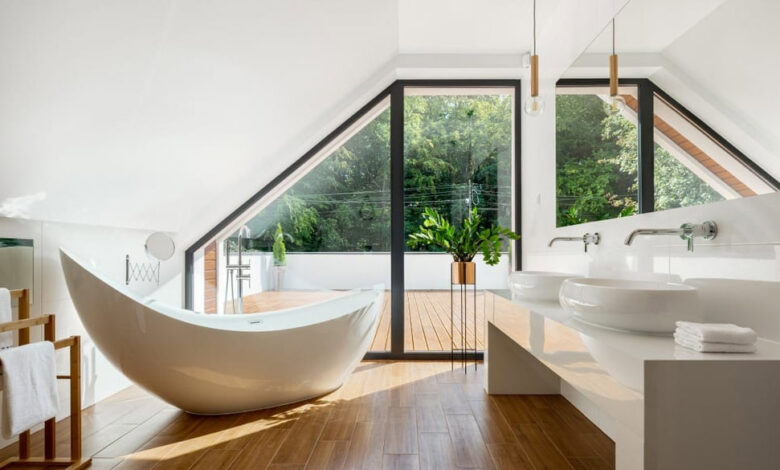

A bathroom is one of the most important spaces in any home, providing comfort, privacy, and convenience for everyday activities. Over time, however, bathrooms can become outdated, lose their functionality, or develop problems that affect their appearance and usability. Worn-out tiles, damaged fixtures, poor lighting, limited storage, and inefficient layouts can make even a beautiful home feel less comfortable. Renovating this space is an excellent opportunity to improve its appearance while creating a more practical environment. Working with a professional bathroom remodeler can help homeowners turn an outdated bathroom into a stylish, comfortable, and functional space that meets their everyday needs. A successful bathroom renovation involves much more than replacing a bathtub or installing new tiles. It requires careful planning, thoughtful design decisions, quality materials, and professional installation. Every detail, from the placement of plumbing fixtures to the selection of lighting and storage solutions, contributes to the overall result. Homeowners should consider their daily routines, available space, personal preferences, and long-term requirements before beginning a project. With the right approach, a bathroom renovation can improve convenience, enhance the home’s appearance, and provide lasting value.
Why Bathroom Remodeling Is a Valuable Home Improvement
Bathroom remodeling is one of the most rewarding home improvement projects because it combines visual improvements with practical benefits. An outdated bathroom may have cracked tiles, leaking faucets, poor ventilation, or fixtures that no longer function properly. These problems can affect comfort and may eventually lead to more expensive repairs if ignored. Renovating the space allows homeowners to address existing issues while introducing modern features that make everyday activities easier. A well-planned renovation can also create a cleaner, brighter, and more welcoming atmosphere. Another important advantage of remodeling is the opportunity to improve the overall value of a property. Bathrooms are among the spaces potential buyers often examine when evaluating a home. A modern bathroom with attractive finishes, efficient fixtures, and a practical layout can make a positive impression. Although no renovation guarantees a particular return on investment, choosing durable materials and timeless designs can make the improvement more appealing over the long term. A knowledgeable bathroom remodeler can help homeowners balance attractive design choices with practical improvements that support the property’s overall appeal.
Planning Your Bathroom Renovation from Start to Finish
Proper planning is the foundation of every successful bathroom renovation. Before purchasing materials or removing existing fixtures, homeowners should identify what they want to improve and establish clear project goals. Some people may want a more luxurious bathroom, while others need additional storage, better lighting, or improved accessibility. Understanding these priorities makes it easier to develop a design that fits both the available space and the household’s needs. It is also important to consider how many people use the bathroom and which features would make their daily routines more convenient. Budget planning should be another early consideration. Bathroom renovation costs can vary depending on the size of the room, material selections, plumbing requirements, labor, and the amount of structural work involved. Creating a realistic budget helps homeowners make informed decisions without overspending on unnecessary features. It is also wise to reserve additional funds for unexpected problems, such as hidden water damage or outdated plumbing discovered during construction. A professional bathroom remodeler can explain the different stages of the project, help prioritize essential improvements, and provide guidance on selecting suitable materials within the available budget.
Choosing the Right Bathroom Design and Layout
The layout of a bathroom has a significant influence on its comfort and functionality. Even a small bathroom can feel spacious when its fixtures are arranged carefully and unnecessary obstacles are removed. Homeowners should think about how they move through the space and whether the existing arrangement supports their daily activities. For example, poorly positioned doors, oversized cabinets, or inconveniently placed fixtures can make a bathroom difficult to use. Adjusting the layout may create better movement, improve accessibility, and provide more usable floor space. Design preferences also play an important role in creating a bathroom that feels personal and inviting. Some homeowners prefer a clean, modern appearance with simple lines, neutral colors, and minimal decoration. Others enjoy traditional designs featuring decorative tiles, elegant fixtures, and warm finishes. Whatever style is selected, maintaining a consistent design throughout the room can create a more polished appearance. A skilled bathroom remodeler can evaluate the available space and recommend practical design solutions that combine visual appeal with everyday convenience.
Selecting Durable and Attractive Bathroom Materials
Material selection is an essential part of bathroom remodeling because this area experiences frequent moisture, temperature changes, and regular cleaning. Choosing products that can withstand these conditions helps maintain the appearance and performance of the renovated space. Ceramic and porcelain tiles are popular choices for floors and walls because they offer durability and come in numerous colors, patterns, and finishes. Natural stone can provide an elegant appearance, although it may require additional maintenance and appropriate sealing to protect its surface. Countertops, cabinets, shower enclosures, and flooring should also be selected according to their durability and maintenance requirements. Moisture-resistant cabinetry can help reduce the risk of damage, while quality countertops can provide a practical surface for everyday use. Homeowners should avoid choosing materials based only on their initial appearance or price. Instead, they should consider how well each product will perform over time and whether it matches the overall design. A reliable bathroom remodeler can explain the advantages of different materials and help homeowners select options that provide a suitable balance of appearance, durability, and maintenance.
Creating a Modern and Comfortable Shower Area
The shower area is often one of the most frequently used parts of a bathroom, making its design especially important. An old shower with damaged tiles, poor drainage, or outdated fixtures can affect both comfort and cleanliness. Modern shower designs offer several possibilities, including walk-in showers, glass enclosures, rainfall showerheads, built-in seating, and convenient storage niches. These features can make the shower more attractive while improving its everyday usability. Waterproofing is particularly important when renovating a shower because moisture can cause serious damage behind walls and beneath flooring. Proper installation of waterproof membranes, suitable tile materials, and correctly designed drainage systems helps protect the surrounding structure. Homeowners should also consider slip-resistant flooring and easy-to-clean surfaces to improve safety and reduce maintenance. With professional planning and careful installation, a shower renovation can become one of the most noticeable improvements in the entire bathroom.
Improving Bathroom Lighting and Ventilation
Lighting can completely change the atmosphere of a bathroom. A poorly illuminated space may feel uncomfortable, appear smaller, and make everyday tasks more difficult. Combining different types of lighting can create a brighter and more practical environment. General ceiling lights provide overall illumination, while vanity lighting helps with activities such as shaving, applying makeup, and grooming. Accent lighting can also highlight architectural details, decorative features, or attractive tile designs. Ventilation is equally important because bathrooms naturally produce moisture during showers and baths. Without proper airflow, excess humidity can contribute to mold growth, unpleasant odors, peeling paint, and damage to cabinets or other surfaces. Installing an appropriately sized exhaust fan and ensuring that it vents correctly can help control moisture levels. Natural ventilation through windows can also be beneficial when available. These improvements may not always be the most visually exciting parts of a renovation, but they play an essential role in maintaining a healthy and comfortable bathroom environment.
Adding Smart Storage Solutions for Better Organization
Storage is often overlooked during bathroom renovations, even though it has a major influence on how organized the space feels. Toiletries, towels, cleaning supplies, cosmetics, and everyday accessories can quickly create clutter when there is insufficient storage. Adding practical cabinets, vanity drawers, recessed shelves, and wall-mounted storage can help keep frequently used items accessible without taking up unnecessary floor space. Well-organized storage also makes cleaning easier and helps maintain a neat appearance. For smaller bathrooms, creative storage solutions can make a considerable difference. Floating vanities provide useful storage while creating an open appearance underneath. Recessed wall niches can offer convenient space for shower products without extending into the shower area. Tall cabinets and mirrored medicine cabinets can also provide additional storage without requiring significant floor space. The goal is to use every available area efficiently while maintaining a balanced design. A professional bathroom remodeler can identify opportunities to increase storage and recommend solutions that complement the room’s dimensions and overall style.
Understanding the Importance of Plumbing and Electrical Work
Plumbing and electrical systems are essential components of a functional bathroom, and they should receive careful attention during renovation. Older pipes may have corrosion, leaks, or outdated connections that can create problems after new fixtures and finishes have been installed. Replacing damaged components and checking water pressure can help improve reliability. Homeowners should also consider whether the existing plumbing layout supports their planned design or whether adjustments are necessary to accommodate new sinks, toilets, showers, or bathtubs. Electrical work requires equal attention because bathrooms contain water and moisture near electrical fixtures. Properly installed lighting, outlets, switches, and ventilation systems help create a safer environment. Suitable protection and compliance with applicable electrical requirements are essential when adding new outlets or changing existing wiring. Rather than treating these systems as minor details, homeowners should include them in the original renovation plan. Coordinating plumbing and electrical work with the rest of the construction process helps prevent unnecessary delays and reduces the risk of having to remove newly installed finishes later.
Choosing Energy-Efficient and Water-Saving Fixtures
Modern bathroom fixtures can help homeowners reduce water and energy consumption without sacrificing comfort. Low-flow showerheads and faucets are designed to use less water while maintaining a satisfying experience. Water-efficient toilets can also reduce unnecessary water usage during everyday activities. These products are available in different styles and finishes, allowing homeowners to choose fixtures that match their preferred design. Energy-efficient lighting is another worthwhile improvement. LED lights generally consume less electricity than traditional bulbs and are available in different brightness levels and color temperatures. Homeowners may also consider efficient ventilation fans and other modern bathroom products that support better energy management. Although the initial cost of certain upgraded fixtures may be higher, their long-term efficiency can help reduce operating expenses. A thoughtful renovation considers both immediate comfort and the ongoing cost of maintaining the home.
Making Small Bathrooms Feel More Spacious
Limited space does not mean a bathroom has to feel cramped or uncomfortable. The right design choices can make a small room appear more open while improving its functionality. Light-colored walls, large mirrors, glass shower enclosures, and consistent flooring can help create a sense of visual space. Wall-mounted vanities and compact fixtures can also free up valuable floor area. Reducing unnecessary decorations and choosing simple finishes can prevent the room from feeling overcrowded. Storage should be planned carefully in smaller bathrooms because clutter can quickly make the available space feel even tighter. Recessed shelves, vertical cabinets, corner storage, and built-in niches can provide useful organization without taking up too much room. Choosing fixtures that match the proportions of the space is equally important. An oversized vanity or bathtub may reduce movement and make the layout less practical. A professional bathroom remodeler can help homeowners identify smart design opportunities that make even a compact bathroom feel comfortable, attractive, and easy to use.
Incorporating Accessibility and Safety Features
A bathroom should be comfortable and safe for everyone who uses it. When planning a renovation, homeowners should consider whether the space will remain practical as their needs change over time. Features such as walk-in showers, grab bars, non-slip flooring, wider entryways, and easy-to-reach storage can improve accessibility. These improvements can be especially useful for older adults, individuals with mobility limitations, and households that want a bathroom suitable for different stages of life. Safety features do not have to make a bathroom look clinical or unattractive. Modern accessibility products are available in stylish designs that blend naturally with contemporary and traditional interiors. For example, grab bars can complement existing fixtures, while low-threshold showers can create a clean and streamlined appearance. Proper lighting, stable flooring, and thoughtfully positioned fixtures can further reduce the risk of accidents. Including these details during the design stage is often easier than trying to add them after the renovation is complete.
Avoiding Common Bathroom Remodeling Mistakes
One common mistake homeowners make is beginning construction without a detailed plan. Changing design decisions after work has started can increase expenses, create delays, and lead to unnecessary material waste. Another mistake is choosing inexpensive materials without considering their long-term durability. Bathrooms experience regular exposure to moisture, cleaning products, and daily wear, so products that are not designed for these conditions may deteriorate quickly. Poor ventilation, insufficient storage, inadequate waterproofing, and unsuitable lighting are other problems that can reduce the quality of a finished renovation. Homeowners should also avoid focusing entirely on appearance while overlooking plumbing, electrical systems, and structural requirements. Reviewing plans carefully, selecting suitable materials, and working with experienced professionals can help prevent these issues. Clear communication throughout the project is equally important because it ensures that expectations, costs, timelines, and design details are understood before major work begins.
What to Expect During the Bathroom Remodeling Process
Understanding the renovation process helps homeowners prepare for the work and manage their expectations. Most projects begin with an assessment of the existing bathroom, followed by design development, material selection, budgeting, and scheduling. Once the plan is finalized, the construction team may remove old fixtures, flooring, cabinets, and wall finishes. Plumbing and electrical updates are generally completed before waterproofing, wall preparation, flooring, and other finishing work. After the essential construction stages are completed, new fixtures, cabinets, lighting, mirrors, and accessories can be installed. The final stage involves checking that everything works correctly, inspecting finishes, addressing any remaining issues, and cleaning the space. The exact timeline depends on the project’s size, complexity, material availability, and whether unexpected problems are discovered. Maintaining communication with the contractor throughout the process helps homeowners understand progress and make informed decisions when necessary.
How to Select a Reliable Bathroom Remodeling Professional
Choosing the right professional is one of the most important decisions in a bathroom renovation project. Homeowners should look for experience, relevant qualifications, clear communication, and examples of completed work. Reviewing photographs of previous projects can provide useful insight into the contractor’s design approach and workmanship. Customer reviews and references can also help establish whether the professional has a reputation for reliability, organization, and quality service. Before hiring anyone, homeowners should request a detailed written estimate that explains the expected work, materials, labor, payment arrangements, and project schedule. It is also important to discuss warranties, insurance, permits, and how unexpected expenses will be handled. A dependable bathroom remodeler should be willing to answer questions, explain available options, and provide realistic expectations instead of making promises that may not be achievable. Taking time to compare professionals can help homeowners make a confident decision and reduce the likelihood of misunderstandings during construction.
Maintaining Your Newly Renovated Bathroom
Once the renovation is complete, regular maintenance can help preserve the bathroom’s appearance and functionality. Cleaning tiles, countertops, mirrors, faucets, and shower surfaces with suitable products prevents dirt and mineral deposits from building up. Homeowners should also pay attention to grout and sealant because damaged areas can allow moisture to reach surfaces beneath the finished materials. Addressing small problems early can help prevent more expensive repairs later. Ventilation should remain part of the regular maintenance routine. Using the exhaust fan during and after showers helps remove excess humidity, while occasionally checking for leaks can protect cabinets, walls, and flooring. Drains should be kept clear, fixtures should be inspected periodically, and any signs of water damage should be addressed promptly. Following the manufacturer’s care instructions for specialty materials can also extend their lifespan. Consistent maintenance protects the investment and helps the bathroom remain attractive and comfortable for many years.
Conclusion
A bathroom renovation is an opportunity to improve comfort, functionality, safety, and the overall appearance of a home. From choosing durable materials and modern fixtures to improving lighting, ventilation, storage, and accessibility, every decision contributes to the quality of the finished space. Careful planning and realistic budgeting help homeowners avoid common problems while ensuring that the renovation meets their expectations. Paying attention to both visible design elements and essential systems such as plumbing, electrical wiring, and waterproofing is equally important. Working with an experienced bathroom remodeler can make the entire process more organized and manageable. Professional guidance helps homeowners evaluate design possibilities, choose suitable products, coordinate construction tasks, and achieve a result that supports their lifestyle. Whether the goal is to modernize an outdated bathroom, create a luxurious shower area, improve a small layout, or make the space safer and more accessible, a well-planned renovation can deliver lasting benefits. By focusing on quality workmanship, practical design, and regular maintenance, homeowners can create a bathroom that remains beautiful, efficient, and comfortable for years to come.