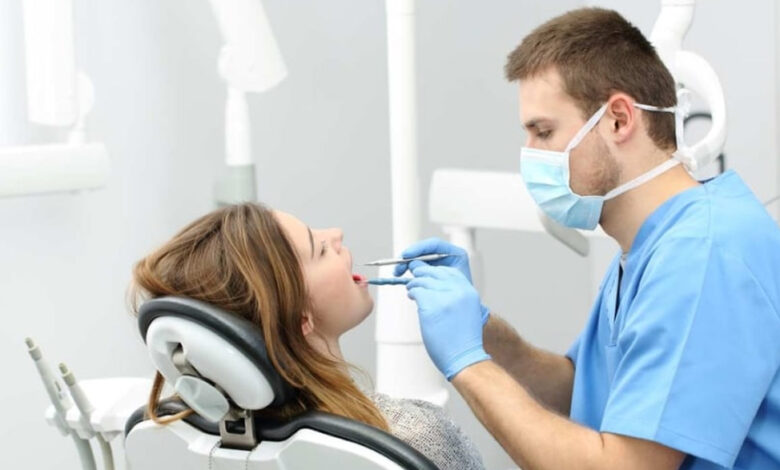

Good oral health is an important part of overall well-being, daily comfort, and confidence. Teeth and gums require regular care because problems that begin as small concerns can sometimes become more complicated when they are ignored. Professional dental care can help identify potential issues early, provide preventive guidance, and support the long-term health of the mouth. A dentist can provide services ranging from routine examinations and professional cleanings to restorative procedures and guidance about proper home care. Choosing the right dental professional is therefore an important decision for individuals and families. Understanding what to look for, what services may be available, and how regular dental care supports oral health can help people make informed decisions about their dental needs.
Understanding the Importance of Regular Dental Care
Regular dental visits are an important part of maintaining healthy teeth and gums. Daily brushing and flossing help remove plaque and food particles, but professional examinations can identify concerns that may not be visible or noticeable during normal home care. A dentist can examine the teeth, gums, bite, and other areas of the mouth for signs of potential problems. Regular appointments may also include professional cleaning to remove hardened deposits that cannot always be removed effectively with ordinary brushing. Preventive care can help reduce the likelihood of certain dental problems becoming more advanced. Establishing a consistent dental routine is therefore useful for maintaining oral health over the long term.
Choosing a Qualified Dental Professional
Selecting a dental professional requires consideration of several factors, including qualifications, experience, communication, available services, and the overall approach to patient care. A dentist should have appropriate professional credentials and follow accepted standards for dental treatment and infection control. Patients may also want to understand whether the practice provides the specific services they or their family members may need. Communication is particularly important because patients should feel comfortable asking questions about examinations, treatment options, expected outcomes, and costs. A professional who explains procedures clearly can help patients understand their choices and participate more actively in their oral healthcare. Taking time to evaluate these factors can make the overall dental experience more comfortable and informative.
Preventive Dental Examinations
Preventive examinations allow dental professionals to evaluate the condition of teeth and gums before symptoms become severe. During a routine appointment, the dentist may check for cavities, gum problems, damaged fillings, worn teeth, changes in the bite, and other oral health concerns. Depending on the patient’s needs, dental imaging may also be recommended to examine areas that cannot be fully evaluated through a visual examination. Early identification of potential problems can allow treatment to begin before damage becomes more extensive. Preventive visits also provide an opportunity to discuss brushing, flossing, diet, and other habits that influence oral health. Regular examinations are an important part of maintaining a proactive approach rather than waiting for significant discomfort to occur.
Professional Dental Cleaning
Even people who brush and floss regularly can develop plaque and hardened deposits in areas that are difficult to clean effectively at home. Professional cleaning removes accumulated deposits and can help keep the teeth and gumline cleaner. A dentist or dental hygienist may also provide guidance about brushing techniques, flossing methods, and other daily habits. Regular professional cleaning can support healthy gums and contribute to fresher breath and a cleaner appearance. Patients with specific oral health concerns may require a cleaning schedule that differs from someone with fewer risk factors. Following professional recommendations can help individuals maintain a consistent preventive care routine.
Caring for Teeth at Home
Professional dental care works best when combined with appropriate daily habits. Brushing twice a day with fluoride toothpaste is commonly recommended for maintaining oral hygiene, while cleaning between the teeth can help remove plaque from areas that a toothbrush may not reach effectively. A dentist can provide individualized advice based on the patient’s teeth, gums, age, habits, and existing dental conditions. Dietary choices can also influence oral health because frequent consumption of sugary or acidic foods and drinks may contribute to certain dental problems. Drinking water and maintaining balanced eating habits can support overall oral hygiene. Consistency is important because daily care helps maintain the results achieved through professional dental appointments.
Understanding Restorative Dental Treatment
Restorative dentistry focuses on repairing or replacing teeth that have been damaged by decay, injury, wear, or other conditions. Depending on the situation, treatment may involve fillings, crowns, bridges, or other restorative options. A dentist can assess the affected tooth and explain the available approaches based on its condition and the patient’s individual needs. Restoring damaged teeth can help protect remaining tooth structure and support normal chewing function. Treatment planning may involve considering durability, appearance, cost, and long-term maintenance. Patients should ask questions about the expected process and care requirements so they understand what to expect before treatment begins.
Addressing Tooth Sensitivity and Discomfort
Tooth sensitivity can occur for various reasons, including enamel wear, gum recession, exposed tooth surfaces, cavities, cracks, or other dental conditions. Persistent sensitivity should not simply be ignored, particularly when it occurs frequently or becomes more intense. A dentist can evaluate the affected area and determine whether an underlying problem requires attention. Treatment depends on the cause and may involve changes in home-care products, protective treatments, restorative procedures, or other appropriate measures. Patients should describe when the sensitivity occurs, such as during exposure to hot, cold, sweet, or acidic foods. Detailed information about symptoms can help support an accurate evaluation.
Supporting Healthy Gums
Healthy gums are essential for maintaining a stable foundation around the teeth. Gum problems can sometimes develop gradually, with signs such as bleeding during brushing, swelling, redness, tenderness, or persistent bad breath. A dentist can examine the gums and identify signs that may require additional care. Early attention to gum concerns can help prevent problems from becoming more advanced. Daily brushing and cleaning between the teeth are important for removing plaque along the gumline. Patients should discuss recurring gum bleeding or other changes with a dental professional rather than assuming that these symptoms are always normal.
Dental Care for Children
Children benefit from establishing positive oral health habits at an early age. Parents can help children develop consistent brushing routines, limit frequent sugary snacks and drinks, and encourage regular dental visits. A dentist who regularly treats children can provide age-appropriate guidance and monitor the development of primary and permanent teeth. Early visits can also help children become familiar with the dental environment and reduce anxiety associated with unfamiliar procedures. Monitoring tooth development allows potential concerns to be identified as children grow. Teaching children that dental care is a normal part of personal health can support healthier habits throughout their lives.
The Role of Technology in Modern Dentistry
Modern dental practices may use a range of technologies to improve examination, diagnosis, treatment planning, and patient communication. Digital imaging can provide detailed views of teeth and surrounding structures, while intraoral cameras may allow patients to see areas of concern more clearly. Some practices may also use digital scanning systems for certain restorative or orthodontic procedures. A dentist can determine which technologies are appropriate based on the patient’s needs and the available treatment options. Technology does not replace professional judgment, but it can provide useful information that supports accurate diagnosis and planning. Patients may ask about the purpose of any recommended diagnostic technology so they understand how it contributes to their care.
Considering Cosmetic Dental Services
Cosmetic dental treatments focus primarily on improving the appearance of teeth and smiles, although some procedures may also provide functional benefits. Options can include professional whitening, veneers, bonding, or other treatments depending on the individual’s condition and goals. A dentist should evaluate the health of the teeth and gums before recommending cosmetic procedures. Treating underlying dental problems first can help ensure that cosmetic improvements are performed on a healthy foundation. Patients should also discuss realistic expectations, maintenance requirements, potential limitations, and long-term considerations. A thoughtful cosmetic plan should balance appearance with oral health and appropriate treatment principles.
Managing Dental Anxiety
Some people experience nervousness or anxiety before dental appointments, particularly if they have had an uncomfortable experience in the past. Open communication can help patients explain their concerns before treatment begins. A dentist may be able to describe each step of a procedure, answer questions, and establish signals that allow the patient to communicate during treatment. Scheduling an initial consultation can also help patients become familiar with the dental environment before undergoing more complex procedures. Relaxation techniques and appropriate communication may make appointments easier to manage. Patients should not feel embarrassed about discussing dental anxiety because understanding the concern can help the dental team provide a more comfortable experience.
Understanding Treatment Costs
Dental treatment costs can vary depending on the procedure, materials, complexity, professional fees, and other factors. Before beginning major treatment, patients should ask for clear information about the recommended procedure and associated expenses. A dentist or dental practice may be able to provide an estimate and explain what is included in the proposed treatment. Patients should also ask whether follow-up appointments, additional procedures, or maintenance may be required. Understanding costs in advance can help people plan their care more effectively. Financial considerations should be discussed openly so that patients can make informed decisions while considering both immediate needs and long-term oral health.
Maintaining Dental Health Between Appointments
Dental health requires attention throughout the year rather than only during professional visits. Patients should maintain consistent brushing and interdental cleaning routines and monitor changes such as persistent pain, swelling, sensitivity, broken teeth, or unusual spots. A dentist can provide personalized recommendations for products and techniques when necessary. Replacing toothbrushes or brush heads regularly can also support effective cleaning, particularly when bristles become worn. Individuals with braces, dental restorations, implants, or other specialized needs may require additional care instructions. Following professional recommendations between appointments helps maintain oral health and can reduce the likelihood of preventable problems.
Building a Long-Term Dental Care Plan
A long-term approach to oral health involves combining preventive care, daily hygiene, healthy lifestyle choices, and appropriate professional treatment. A dentist can help patients understand their individual risk factors and establish an appointment schedule suited to their needs. People with a history of cavities, gum problems, extensive dental work, or other concerns may require closer monitoring. Maintaining records of previous treatments can also help support continuity of care. Patients should communicate changes in medications, health conditions, habits, or symptoms that may affect their oral health. A personalized plan can make dental care more organized and help individuals respond promptly when new concerns appear.
Conclusion
Maintaining healthy teeth and gums requires consistent daily care combined with appropriate professional attention. Choosing a qualified dentist, attending regular examinations, maintaining good brushing and interdental cleaning habits, and addressing problems promptly can all contribute to long-term oral health. Professional dental care can support preventive treatment, restorative procedures, gum health, cosmetic goals, and personalized guidance based on individual needs. Patients should feel comfortable asking questions about recommended treatments, expected results, costs, maintenance, and available alternatives. Good communication between patients and dental professionals can make treatment planning clearer and help people take an active role in their oral health. With consistent care and informed decisions, individuals can protect their smiles and support healthy dental function for years to come.