
Keeping outdoor areas clean is an important part of maintaining a property and preserving the appearance of exterior surfaces. Unlike indoor spaces, outdoor areas are continuously exposed to rain, dust, dirt, sunlight, leaves, moisture, vehicle exhaust, and everyday activity. Over time, these elements can create layers of grime that ordinary cleaning methods may not remove effectively. Power washing provides a practical way to deal with stubborn outdoor buildup by using pressurized water to loosen and remove dirt from suitable surfaces. When performed correctly, this cleaning method can refresh patios, walkways, driveways, walls, fences, and other exterior areas while making routine property maintenance more manageable. Understanding how the process works and when it should be used can help property owners make informed decisions about their cleaning and maintenance needs.
Understanding Exterior Surface Buildup
Outdoor surfaces naturally become dirty because they are exposed to many environmental conditions throughout the year. Dust can settle into small cracks and textured areas, while rain can carry additional dirt onto concrete, brick, siding, and other materials. Leaves and organic debris may remain on surfaces for extended periods, especially in areas that are not cleaned regularly. Moisture can also encourage the development of algae, mildew, moss, and other unwanted growth. Power washing can help remove many types of accumulated surface contamination when the equipment and pressure are properly matched to the material. Regular cleaning is useful because thick layers of dirt can become increasingly difficult to remove over time, making simple maintenance more demanding than it needs to be.
How Pressurized Cleaning Works
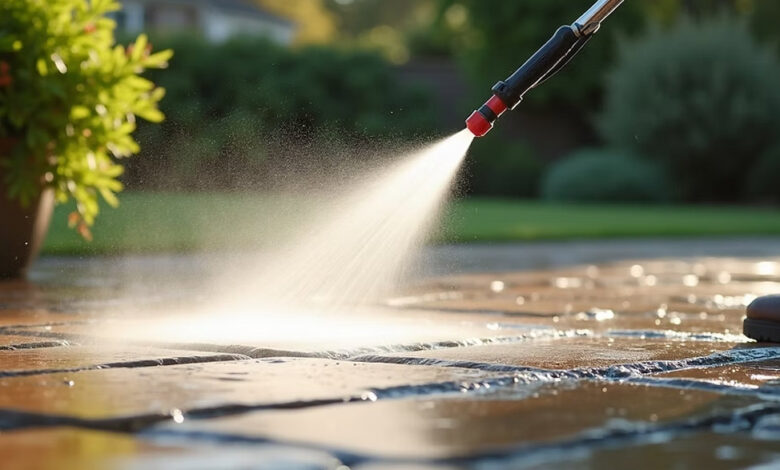
The basic concept behind pressure-based cleaning involves directing water through specialized equipment at a much higher pressure than a typical household hose can produce. This concentrated stream provides enough force to loosen dirt, mud, stains, and other deposits from appropriate surfaces. However, effective cleaning is not simply a matter of using the highest possible pressure. The correct nozzle, spray pattern, water pressure, distance, and cleaning technique all influence the final result. Power washing should be approached according to the material being cleaned because concrete, brick, wood, painted surfaces, and siding can have very different levels of durability. Using the wrong setting may cause surface damage instead of improving the condition of the area, which is why careful preparation and appropriate equipment selection are essential.
Benefits for Concrete and Hard Surfaces
Concrete is commonly used for driveways, sidewalks, patios, pathways, and other outdoor areas because it is durable and practical. Even durable concrete can become discolored when exposed to dirt, vehicle fluids, leaves, algae, and other contaminants for long periods. Power washing can remove much of this buildup and restore a cleaner appearance to surfaces that have become dull or heavily soiled. Cleaning concrete can also make stains, cracks, and other maintenance concerns easier to identify because accumulated dirt may hide the actual condition of the material. While cleaning cannot repair structural problems, it can be an important part of routine surface care. Property owners should still use appropriate pressure because excessive force can potentially affect older or weakened concrete and may worsen existing surface deterioration.
Cleaning Patios and Outdoor Living Areas
Patios and outdoor living spaces are often exposed to food spills, dirt, leaves, mud, moisture, and regular foot traffic. Because these areas are frequently used for gatherings and relaxation, maintaining their appearance can contribute to a more comfortable and inviting environment. Power washing can help remove accumulated debris and stains from suitable patio materials, including certain types of concrete, stone, and masonry. Before cleaning, furniture, decorations, planters, and other movable objects should be removed from the area so the surface can be accessed properly. It is also important to identify delicate materials or damaged sections before applying pressurized water. A careful cleaning process can refresh the area while making it easier to maintain throughout the rest of the season.
Managing Organic Growth
Moss, algae, mildew, and similar organic growth can develop on outdoor surfaces where moisture remains for extended periods. Shaded areas may be particularly susceptible because they often dry more slowly after rain or cleaning. Besides creating an unattractive appearance, some types of organic growth can make surfaces slippery and potentially increase the risk of falls. Power washing can help remove visible growth from many suitable hard surfaces, but cleaning alone may not address the environmental conditions that allowed the growth to develop. Improving drainage, reducing unnecessary moisture, and keeping surfaces free from leaves and debris can help reduce recurring buildup. When organic growth repeatedly returns, identifying the source of excess moisture can be just as important as cleaning the affected surface.
Preparing Surfaces for Painting and Repairs
Exterior cleaning can play an important role before painting, staining, sealing, or performing other maintenance work. New coatings generally need a clean and reasonably sound surface to adhere properly. Dust, loose material, mildew, grease, and other contaminants can interfere with preparation if they are left behind. Power washing can assist with removing unwanted surface material before a renovation or repair project begins, provided that the pressure is appropriate for the material. After cleaning, surfaces should be given sufficient time to dry and should be inspected for cracks, loose sections, peeling paint, damaged boards, or other issues. Identifying these problems before applying a new finish can help ensure that the underlying surface receives the attention it needs instead of simply covering existing problems.
Protecting Wood and Delicate Materials
Wooden decks, fences, outdoor furniture, and other wood features require particular care during exterior cleaning. Unlike concrete, wood can be affected by excessive pressure because strong water streams may damage the fibers or create visible marks. Power washing wooden surfaces therefore requires careful control of pressure, distance, nozzle selection, and spray direction. The objective should be to remove dirt without stripping away unnecessary amounts of the material or damaging the existing finish. Older wood may require even greater caution because age, weather exposure, and previous maintenance can affect its strength. Testing a small area before cleaning a larger section can help determine whether the selected approach is suitable. In some cases, a gentler cleaning method may be more appropriate than high-pressure treatment.
Maintaining Fences and Exterior Walls
Fences and exterior walls can accumulate dirt because they remain exposed to changing weather conditions throughout the year. Wooden fences may develop darkened areas from moisture and organic growth, while masonry surfaces can collect dust, mud, and other environmental residue. Power washing can improve the appearance of many suitable fence and wall materials by removing surface-level contaminants that ordinary rinsing may leave behind. However, care should be taken around loose paint, damaged mortar, fragile materials, and openings where water could enter the structure. Proper technique is particularly important when cleaning vertical surfaces because water can travel into areas that are not intended to become wet. A controlled approach can provide better results while reducing unnecessary risks to the surrounding property.
Improving Property Appearance
A property’s exterior contributes significantly to its overall appearance, and accumulated dirt can make otherwise well-maintained areas appear neglected. Cleaning exterior surfaces can create a noticeable visual improvement without requiring replacement of materials that are still in good condition. Power washing can refresh dirty pathways, patios, driveways, walls, and other suitable surfaces by removing layers of grime that have developed over time. This can be particularly useful before outdoor events, seasonal maintenance, property improvements, or general cleanup projects. Although cleaning cannot correct structural deterioration or repair damaged materials, it can restore the appearance of surfaces that are primarily affected by dirt and environmental buildup. A cleaner exterior can also make other landscaping and maintenance improvements more noticeable.
The Importance of Proper Equipment
Different cleaning projects require different equipment and settings. A small residential area may require a different setup from a large driveway or extensive exterior wall. Nozzles can produce different spray patterns, and some cleaning equipment allows users to adjust water pressure according to the surface. Power washing becomes more effective when equipment is selected according to the actual cleaning task rather than simply choosing the most powerful machine available. Cleaning solutions may also be useful for certain types of stains or organic buildup, although they should always be compatible with the surface and used according to appropriate instructions. Taking the time to understand equipment can improve cleaning results and reduce the possibility of damaging surfaces through excessive pressure or unsuitable products.
Safety During Exterior Cleaning
Pressurized water can be powerful enough to cause injury, move loose debris, or damage fragile objects if the equipment is handled incorrectly. Anyone performing exterior cleaning should consider appropriate protective clothing, footwear, and eye protection. People and pets should remain away from the active cleaning area, while windows, electrical components, outdoor furniture, and delicate decorations should be protected or moved when necessary. Power washing should also be performed with attention to the direction of the spray because debris and dirty water can travel beyond the immediate area being cleaned. Equipment should be operated according to manufacturer instructions, and users should understand the controls before beginning a larger project. Taking these precautions can help make exterior cleaning safer and more predictable.
When Professional Help May Be Appropriate
Some cleaning projects are simple enough for a property owner to handle, while others involve large areas, difficult stains, delicate materials, or challenging access. Professional cleaning services can be useful when there is uncertainty about the correct pressure, cleaning method, or equipment for a particular surface. Power washing performed by an experienced professional may also be appropriate when the project involves extensive exterior areas or surfaces that could be easily damaged by incorrect treatment. Professionals can assess the condition of materials and adjust their cleaning approach according to the requirements of the project. Before selecting a service, property owners can ask about the methods used, the types of surfaces handled, and the precautions taken to protect surrounding areas and landscaping.
Creating a Regular Maintenance Routine
Exterior cleaning is generally easier when it is incorporated into a regular maintenance routine rather than postponed until surfaces become heavily soiled. Property owners can periodically inspect driveways, walkways, patios, walls, fences, and other outdoor areas for signs of dirt, organic growth, stains, or moisture-related buildup. Power washing can be scheduled when appropriate according to the condition of the surface, the surrounding environment, and the amount of use the area receives. Not every surface requires the same cleaning frequency, and excessive cleaning may be unnecessary for areas that remain relatively clean. A sensible maintenance routine focuses on observing the condition of the property and responding when cleaning is genuinely needed. This approach can help prevent heavy buildup while avoiding unnecessary wear on exterior materials.
Making Exterior Care More Effective
Cleaning is only one part of maintaining a property properly. Good drainage, regular removal of leaves and debris, timely repairs, and appropriate protective treatments can all contribute to longer-lasting exterior surfaces. Power washing can support these efforts by removing accumulated contaminants and making underlying problems easier to identify. Once dirt and organic buildup are removed, cracks, peeling finishes, damaged boards, loose mortar, and drainage issues may become more visible. Addressing these concerns promptly can prevent small maintenance problems from becoming more complicated. Combining appropriate cleaning with regular inspections creates a more comprehensive approach to property care and helps ensure that exterior surfaces remain both functional and attractive.
Final Thoughts
Maintaining clean exterior surfaces can improve the appearance of a property while supporting routine maintenance and helping owners identify potential problems. Power washing is an effective cleaning option for many suitable surfaces, but successful results depend on using the right pressure, equipment, technique, and cleaning products for each individual material. Concrete, patios, fences, walls, and other outdoor areas may benefit from appropriate cleaning, while delicate or damaged surfaces may require gentler treatment. Safety should always remain a priority, and professional assistance can be considered when a project is particularly large, difficult, or sensitive. With regular inspections and a sensible maintenance routine, exterior cleaning can become a practical part of responsible property care rather than an occasional response to severe buildup.