How Pest Control Service Supports Effective Pest Prevention, Property Protection, and Long-Term Maintenance

Pests can become a persistent concern when they find suitable food, water, shelter, and entry points around a property. Ants, cockroaches, rodents, termites, flies, mosquitoes, and other unwanted organisms can enter buildings for many different reasons, and ignoring early warning signs may allow activity to spread. Keeping spaces clean and addressing obvious maintenance issues can reduce some common attractants, but these measures may not always be enough when an infestation has become established. Pest control service provides a structured approach to identifying pest activity, addressing contributing conditions, and applying appropriate management methods. Understanding the role of professional pest management can help property owners take practical steps toward prevention and long-term protection.
Understanding Common Pest Problems
Different pests have different behaviors, nesting habits, food preferences, and methods of entering buildings. Ants may create trails toward food sources, cockroaches can hide in warm or damp areas, rodents may enter through small openings, and termites can remain hidden while affecting wooden materials. Flies are often associated with food waste or organic material, while mosquitoes can reproduce in areas where standing water is available. Correct identification is therefore an important part of effective management. Treating the wrong pest or focusing only on visible activity may not address the actual source. Understanding the characteristics of the pest can help determine which prevention and treatment measures are appropriate.
Recognizing Early Warning Signs
Early detection can make pest management easier because smaller problems may be addressed before activity becomes widespread. Warning signs can include droppings, damaged packaging, unusual odors, nesting materials, insect remains, damaged wood, holes, grease marks, or repeated sightings of live pests. Some pests remain hidden for much of the day, meaning visible activity may represent only part of the problem. Property owners should pay attention to repeated signs rather than dismissing them as isolated incidents. Pest control service may include an inspection of areas where evidence has been found to determine whether the problem is limited to one location or extends into other parts of the property.
Why Professional Inspection Matters
A pest problem can sometimes continue because the underlying cause has not been identified. Professional inspection can examine possible entry points, food sources, water sources, hiding areas, environmental conditions, and signs of infestation. This information can help determine a suitable management strategy. Professionals may also identify structural gaps, moisture problems, damaged screens, poorly stored food, accessible waste, or other conditions that make a property more attractive to pests. Addressing these factors can be as important as treating the pests themselves. A thorough assessment provides a better understanding of what is happening and what steps may help prevent the problem from returning.
Preventing Pest Entry
Preventing pests from entering a property is an important part of long-term management. Doors, windows, vents, pipes, foundations, roof areas, and other openings should be inspected for gaps or damage. Damaged screens should be repaired, while suitable materials can be used to seal appropriate cracks and openings. Food should be stored securely, waste should be managed regularly, and moisture problems should be addressed promptly. A pest control service can recommend exclusion measures based on the conditions found during an inspection. Combining entry-point management with sanitation and appropriate treatment can provide a more comprehensive approach than relying on a single method.
Storing Food Properly
Food is one of the most common attractants for household pests. Open packages, crumbs, spills, pet food, and food waste can provide easy access to resources. Dry goods should be stored in suitable sealed containers when possible, and opened packages should be closed securely. Kitchen surfaces should be cleaned regularly, especially after food preparation. Garbage should be removed according to the needs of the household or facility, and waste containers should remain closed when appropriate. These practices do not guarantee that pests will never appear, but they can reduce available food sources. Good food-storage habits are especially useful when combined with structural maintenance and regular monitoring.
Managing Moisture and Water
Water and excessive moisture can create favorable conditions for various pests. Leaking faucets, damaged pipes, clogged drains, condensation, and damp areas should be investigated and addressed as soon as practical. Proper ventilation can help manage moisture in kitchens, bathrooms, storage areas, and other spaces where humidity may accumulate. Outdoor containers that collect rainwater should also be monitored and emptied when appropriate. Pest control service professionals may identify moisture-related conditions during an inspection and recommend practical changes. Controlling water sources can make the property less attractive to pests and can support other prevention measures.
Managing Ant Activity
Ants can enter buildings through very small openings and may create visible trails between their nests and available food sources. Different species behave differently, so identifying the type of ant can help determine an appropriate management strategy. Removing visible ants does not necessarily eliminate the source if a colony remains nearby. Food crumbs, sugary spills, and improperly sealed food can encourage continued activity. Entry points should also be inspected and sealed where practical. Professional management may combine inspection, targeted treatment, sanitation improvements, and exclusion measures to address both current activity and conditions that may encourage ants to return.
Addressing Cockroach Problems
Cockroaches can hide in cracks, cabinets, appliances, drains, storage spaces, and other protected locations. They are often attracted to areas where food, water, warmth, and shelter are available. Evidence may include droppings, shed skins, egg cases, unusual odors, or repeated sightings. Keeping food sealed and cleaning spills can reduce available resources, but established activity may require a more targeted approach. A professional inspection can identify likely hiding areas and contributing conditions. Treatments should always be used according to product instructions and appropriate safety requirements, particularly in kitchens and other areas where food is prepared or stored.
Managing Rodent Activity
Rodents can enter through relatively small openings while searching for food, water, warmth, and shelter. Warning signs may include droppings, gnaw marks, nesting materials, damaged food packaging, scratching sounds, or unusual odors. Food should be stored securely, waste should be managed properly, and potential entry points should be inspected. Clutter can also provide hiding areas, so storage spaces should be kept reasonably organized. A pest control service can help identify likely entry routes and areas of activity while developing an appropriate management plan. In persistent cases, a combination of exclusion, monitoring, sanitation, and other suitable measures may be needed.
Protecting Wooden Structures
Termites can create serious concerns because certain species feed on wood and may remain hidden for long periods. Signs can include damaged wood, discarded wings, mud tubes, hollow-sounding timber, or other evidence depending on the species. Moisture issues and certain structural conditions may contribute to termite activity. Regular inspection can help identify signs before damage becomes extensive. Property owners should not assume that visible evidence represents the full extent of the problem because termite activity may exist beyond the areas where signs are first discovered. Professional evaluation can help determine whether additional inspection or treatment is necessary.
Managing Fly Activity
Flies can become common around kitchens, food preparation areas, waste containers, drains, and other places where organic material is available. Their presence may indicate accessible food residue, waste, moisture, or a breeding source. Keeping garbage containers covered and removing waste regularly can reduce some attractants. Food should be stored appropriately, and spills should be cleaned promptly. Drains and other areas where organic material can accumulate may also require appropriate maintenance. If fly activity continues despite sanitation improvements, identifying the source becomes important because removing visible adult flies without addressing breeding conditions may provide only temporary results.
Reducing Mosquito Activity
Mosquito management often involves controlling areas where water can accumulate. Containers, plant trays, clogged drainage points, buckets, and other objects may collect water and create suitable conditions for some mosquito species. Unnecessary standing water should be removed or managed where possible. Screens and properly maintained doors can also reduce indoor entry. Outdoor areas should be inspected regularly, especially after periods of rainfall. A pest control service may evaluate persistent mosquito activity and recommend appropriate measures based on the surrounding conditions. Ongoing environmental management can be an important part of reducing recurring activity.
Maintaining Outdoor Areas
Conditions outside a property can influence pest activity indoors. Overgrown vegetation, piles of leaves, standing water, unmanaged waste, and materials stored close to walls may provide shelter or access routes. Keeping outdoor spaces reasonably maintained can reduce potential hiding places. Trees and shrubs should be monitored so they do not create unnecessary pathways toward structures. Firewood and similar materials should be stored appropriately rather than directly against building walls when practical. Outdoor maintenance works alongside indoor prevention by reducing environmental conditions that may encourage pests to approach or enter a property.
Using Treatments Responsibly
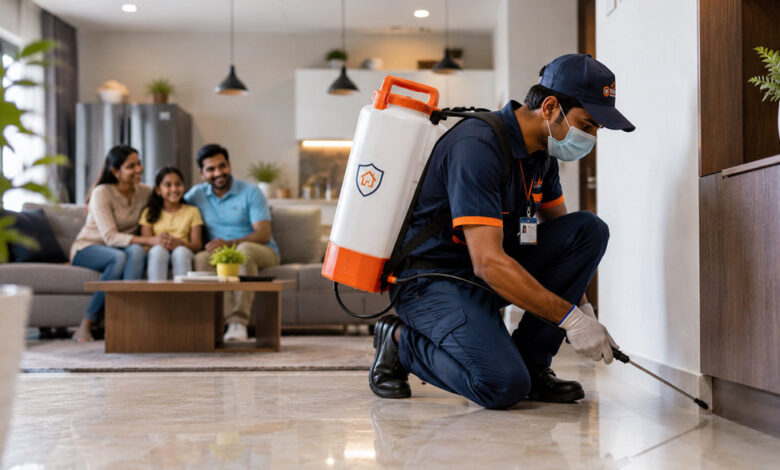
Pest-control products should always be handled according to their labels and intended use. Instructions regarding application, dosage, target pests, ventilation, protective equipment, storage, and re-entry should be followed carefully. Using more product than recommended does not necessarily improve results and may create unnecessary exposure or damage. Certain treatments may require people or pets to stay away from treated areas for a specified period. Professional technicians can apply products according to established procedures and product requirements. Property owners should provide relevant information about children, pets, food areas, or other circumstances that may influence treatment preparation and safety.
Protecting Children and Pets
Safety should be considered whenever pest-control products are used in an occupied property. Products should be stored where children and pets cannot access them, and treated areas should only be entered according to product instructions or professional guidance. Food, dishes, toys, pet bowls, and other sensitive items may need to be covered, removed, or handled according to treatment requirements. A pest control service should be informed about household circumstances that could affect preparation or treatment planning. Following instructions carefully can help reduce unnecessary exposure and support responsible pest management. Clear communication between occupants and professionals is important before and after treatment.
Maintaining Long-Term Prevention
Pest management should not always be viewed as a single treatment. Depending on the pest and property conditions, continued monitoring and preventive maintenance may be necessary. Regular inspections can help identify new activity before it develops into a larger infestation. Property owners can support prevention by maintaining sanitation, repairing structural gaps, managing moisture, storing food properly, controlling waste, and maintaining outdoor areas. A long-term plan can be adjusted according to seasonal changes and observed activity. Consistent prevention can reduce the likelihood of recurring problems and may make future pest management more manageable.
Knowing When Professional Help Is Needed
Professional assistance can be useful when pest activity is persistent, widespread, difficult to identify, or located in areas that are challenging to access. Repeated sightings despite sanitation and exclusion efforts may indicate that a hidden source remains. Structural pests such as termites can require specialized inspection because visible evidence may not reveal the full extent of activity. Rodent problems may also require a combination of exclusion and monitoring rather than simply removing visible animals. Professional evaluation can help determine the likely source and appropriate next steps while reducing reliance on guesswork.
Choosing an Appropriate Pest Management Plan
Each property has different characteristics that can influence pest activity and treatment requirements. Building design, occupancy, pest species, environmental conditions, food sources, moisture, and potential entry points can all affect the appropriate management approach. A good plan should address both current activity and conditions that could support future infestations. Property owners can ask professionals about treatment methods, preparation requirements, safety precautions, follow-up visits, and preventive recommendations. Clear communication helps occupants understand what is expected before, during, and after treatment. A practical management plan should focus on sustainable prevention as well as immediate pest reduction.
Monitoring After Treatment
Follow-up monitoring can be important because pest activity may not disappear immediately after treatment. Some treatments require time to produce their intended effect, while certain infestations may involve multiple life stages or hidden nesting areas. Property owners should follow all post-treatment instructions and report continued activity when appropriate. New signs should be documented so that professionals can determine whether additional action is needed. Monitoring can also reveal whether structural or sanitation improvements have been effective. Regular observation provides useful information for adjusting a pest-management plan and preventing minor activity from developing into a larger concern.
Maintaining a Clean Environment
Good housekeeping can support pest prevention by reducing food particles, waste, moisture, and clutter. Floors and surfaces should be cleaned regularly, food should be stored securely, and waste should be removed according to the needs of the property. Storage areas should remain organized so that signs of pest activity can be noticed more easily. Spills and leaks should be addressed promptly. Cleanliness alone cannot guarantee complete pest prevention, but it can reduce several common conditions that encourage pest activity. Combining good housekeeping with structural maintenance and appropriate monitoring creates a stronger overall prevention strategy.
Final Thoughts
Effective pest management requires attention to both the pests themselves and the conditions that allow them to enter, survive, and reproduce. Pest control service can provide professional inspection, targeted treatment, monitoring, and prevention recommendations when unwanted activity becomes difficult to manage independently. Property owners can support these efforts by storing food properly, controlling moisture, managing waste, sealing suitable entry points, maintaining outdoor areas, and keeping spaces organized. Early detection is also valuable because addressing warning signs promptly can help prevent problems from becoming more extensive. With a practical combination of professional assistance and ongoing preventive habits, property owners can work toward maintaining cleaner, more comfortable, and better-protected spaces.