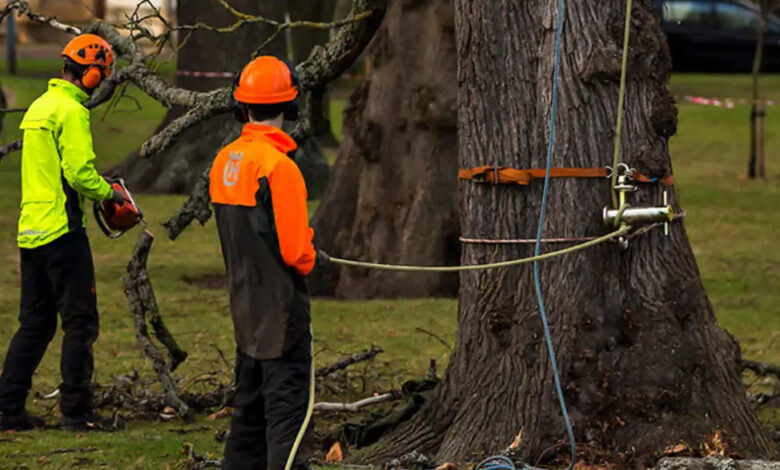

Trees are valuable parts of many landscapes, providing shade, visual appeal, wildlife habitat, and environmental benefits. However, there are situations when a tree becomes damaged, diseased, unstable, overcrowded, or unsuitable for its current surroundings. In these circumstances, removing the tree may become necessary to protect people, buildings, utilities, landscaping, and other plants. Tree removal is a significant property-maintenance task that requires careful planning because trees can be heavy, tall, and difficult to control once cutting begins. Understanding the reasons for removal, preparation requirements, safety considerations, and cleanup process can help property owners make informed decisions. Professional assistance is often appropriate when a tree is large, close to structures, severely damaged, or located in an area where falling branches could create hazards.
Understanding When a Tree May Need to Be Removed
Not every unhealthy or damaged tree needs to be removed immediately. Some trees can be preserved through pruning, structural support, disease management, or other forms of care. However, a tree may become a candidate for removal when its condition creates a significant safety concern or when its long-term health cannot reasonably be restored. Tree removal decisions should consider the tree’s size, condition, location, root stability, surrounding structures, and potential impact on people or property. Large dead branches, extensive decay, severe storm damage, significant leaning, or major root problems can all warrant professional assessment. A qualified tree-care professional can evaluate the situation and determine whether removal or another treatment is appropriate.
Recognizing Signs of Tree Damage
Visible signs of structural problems can provide important information about a tree’s condition. Cracks in major branches or the trunk, cavities, extensive deadwood, fungal growth, damaged roots, peeling bark, and unusual leaning may indicate underlying concerns. Storms can also cause hidden damage that is not immediately visible from the ground. Tree removal may be considered when damage has substantially affected the tree’s stability or when large portions have become unsafe. However, visual symptoms alone do not always reveal the complete condition of a tree. A professional inspection can help determine whether the tree is structurally compromised and whether corrective pruning or complete removal is necessary.
Preparing the Property Before Work Begins
Proper preparation can make tree work safer and more efficient. Before removal begins, the surrounding area should be inspected for buildings, fences, vehicles, outdoor furniture, landscaping, utility lines, and other obstacles. Tree removal requires a clear understanding of where branches, trunk sections, and equipment can safely be positioned during the work. Property owners may need to move vehicles or outdoor items away from the work zone. Children and pets should remain away from the area until the work and cleanup are completely finished. Identifying potential obstacles before work starts can reduce unnecessary complications and help the crew establish a controlled working area.
Considering Nearby Structures and Utilities
Trees often grow near houses, garages, sheds, fences, roads, power lines, and other structures. When a tree is located close to an obstacle, removal becomes more complicated because branches and trunk sections cannot simply be allowed to fall freely. Tree removal in these situations may require specialized equipment, controlled lowering techniques, and careful cutting procedures. Utility lines present an especially serious concern and should never be treated as ordinary obstacles. Work around electrical infrastructure may require coordination with the appropriate utility professionals and specialized tree-care personnel. Property owners should avoid attempting dangerous cutting work near utility lines themselves because the risks can be severe.
Understanding the Importance of Professional Equipment
Large tree work can require equipment designed specifically for elevated cutting, lifting, lowering, and debris handling. Depending on the situation, professionals may use climbing equipment, aerial lifts, ropes, rigging systems, chainsaws, chippers, and other specialized tools. Tree removal involving heavy branches or large trunk sections requires equipment that can handle significant weight while maintaining control. Professionals also use protective equipment to reduce exposure to falling branches, sawdust, sharp tools, and other hazards. Having appropriate equipment can make complicated work more manageable and reduce the risks associated with attempting large-scale tree work with unsuitable tools.
Safety During the Removal Process
Safety should be the central consideration whenever a large tree is being removed. The work area needs to remain clear of unnecessary people, pets, and equipment. Workers should assess the tree’s structure, identify potential fall zones, and establish procedures for controlling branches and trunk sections. Tree removal should be performed by people who understand the hazards associated with cutting under tension, falling limbs, unstable trunks, and changing weight distribution. Weather conditions can also affect the safety of tree work, particularly when strong winds, rain, ice, or other conditions reduce stability. If conditions become unsafe, work may need to be postponed until the environment is more suitable.
Handling Storm-Damaged Trees
Severe weather can leave trees partially broken, uprooted, or leaning against structures. These situations can be particularly hazardous because damaged branches may remain under tension and can move unexpectedly when cutting begins. Tree removal after a storm should therefore be approached with additional caution. Property owners should avoid standing beneath damaged branches or attempting to cut large limbs without appropriate training and equipment. A professional assessment can help determine which parts of the tree are unstable and how they can be safely controlled. Emergency situations may require prioritizing immediate hazards while postponing nonessential cleanup until conditions are safe.
Protecting Surrounding Landscaping
Removing a tree can affect the surrounding landscape even when the tree itself is successfully taken down. Branches and trunk sections may damage lawns, gardens, fences, decorative features, or other plants if they are not carefully controlled. Tree removal professionals can use ropes, rigging, sectional cutting, and other methods to lower materials into designated areas. Protective measures may also be used around sensitive surfaces or structures. Before work begins, property owners should identify landscaping features they want to protect. Discussing these concerns in advance can help the crew plan how branches and wood will be handled during the project.
Stump Removal and Grinding
Removing the main tree does not always mean that the stump will automatically be removed. A remaining stump can take up space, interfere with landscaping plans, create a tripping concern, or attract insects and fungi as it decays. Tree removal projects can therefore include stump grinding or other appropriate stump-management options when requested. Stump grinding generally reduces the visible stump to below or near ground level, allowing the area to be covered with soil or incorporated into landscaping. Complete root removal is a different process and may require additional excavation. Property owners should determine which option fits their future plans for the area.
Managing Branches and Wood Debris
Tree work can produce a substantial amount of branches, leaves, sawdust, and wood. Tree removal should include a clear plan for handling this material so the property is not left with a large debris pile after the work is finished. Branches may be processed through a wood chipper, while larger sections can be cut into manageable pieces for disposal, firewood, milling, or other uses when appropriate. The preferred method depends on the type and condition of the wood as well as the property owner’s plans. Cleanup should include removing loose branches and debris from the work area. A thorough cleanup can make the property safer and restore access to the surrounding space.
Environmental Considerations
Although tree removal may sometimes be necessary, trees also provide important environmental functions. They can provide habitat, shade, carbon storage, soil stabilization, and other benefits. For this reason, removal should generally be considered carefully rather than treating every damaged or inconvenient tree as disposable. In some situations, pruning or other maintenance may allow a tree to remain safely in place. Tree removal should be balanced with responsible property management and consideration of replacement planting when appropriate. If a tree must be removed, property owners may choose to plant another suitable tree in a safer or more appropriate location after the project is completed.
Choosing a Qualified Tree-Care Professional
Selecting a suitable tree-care provider is an important part of planning a major tree project. Property owners should consider experience, relevant qualifications, insurance coverage, equipment, safety practices, and the provider’s ability to handle the specific tree and site conditions. Tree removal can involve significant risks, so extremely low estimates should not automatically be treated as the best option. It is useful to request a written description of the planned work, including whether cleanup, stump treatment, and debris disposal are included. Clear communication can reduce misunderstandings and help property owners understand what will happen before, during, and after the project.
Understanding the Cost of Tree Work
The cost of tree work can vary significantly depending on the size, condition, accessibility, and complexity of the tree. Tree removal may require more labor and equipment when a tree is large, located close to structures, or difficult to access. Additional services such as stump grinding, debris hauling, emergency response, or specialized equipment can also affect the total cost. Property owners should request detailed estimates that explain what services are included. Comparing estimates based on the scope and quality of service rather than price alone can make it easier to understand the differences between providers. A clear written estimate can also help prevent unexpected charges.
What Happens After the Tree Is Removed
Once the tree has been taken down, the remaining area should be assessed for cleanup and future use. Tree removal can leave an open space that may need soil, mulch, grass, or new landscaping depending on the property owner’s plans. If roots have affected nearby surfaces, additional repairs may be necessary. The area should also be checked for remaining branches, sawdust, exposed hazards, or equipment marks. If a replacement tree is planned, its future size and root growth should be considered carefully before selecting the planting location. Good post-removal planning can help turn the cleared space into a useful and attractive part of the landscape.
Preventing Future Tree Problems
Regular tree care can help identify potential problems before they become major safety concerns. Periodic inspections can reveal dead branches, structural weaknesses, disease symptoms, pest activity, and root problems. Proper pruning can sometimes reduce the need for future removal by addressing weak or damaged growth at an earlier stage. Tree removal may still become necessary in some circumstances, but preventative maintenance can help property owners understand tree health and respond before conditions become severe. Trees should also be planted in locations that provide enough room for their mature size. Appropriate species selection and planting practices can reduce conflicts with buildings, utility lines, sidewalks, and other structures.
Common Mistakes to Avoid
One common mistake is attempting to remove a large or structurally compromised tree without understanding the hazards involved. Trees do not always fall in the direction people expect, and cutting can change the distribution of weight and tension throughout the structure. Another mistake is failing to inspect the surrounding area for utilities, buildings, fences, and other obstacles. Property owners may also underestimate the amount of debris created by a large tree. Tree removal should therefore be approached as a specialized project rather than a simple cutting task. When the tree is large, unstable, damaged, or close to structures, professional assistance can help manage risks more effectively.
Maintaining a Safe Landscape After Removal
Once a tree has been removed, the surrounding landscape may require additional attention. Removing a large tree can change sunlight levels, moisture patterns, and available space for nearby plants. Property owners may need to adjust landscaping plans to account for these changes. Tree removal can also reveal previously hidden structures, damaged fencing, uneven ground, or other maintenance concerns. Addressing these issues after the work is complete can help restore the area. If new vegetation is planted, it should be selected according to the available space and expected mature size. Thoughtful planning can help ensure that future growth does not create the same problems that led to the original removal.
Conclusion
Tree care is an important part of responsible property maintenance, particularly when trees become damaged, diseased, unstable, or poorly positioned. Tree removal can sometimes be necessary to address serious safety concerns, but the process should be carefully planned and carried out with appropriate equipment and expertise. Assessing the tree, preparing the work area, protecting surrounding structures, managing debris, and addressing the remaining stump are all important parts of a successful project. Property owners should also consider whether pruning or other treatments could preserve a tree before deciding on removal. When removal is necessary, working with qualified professionals can help ensure that the process is approached systematically and safely. With proper planning and follow-up landscaping, the cleared area can become a safer and more functional part of the property.