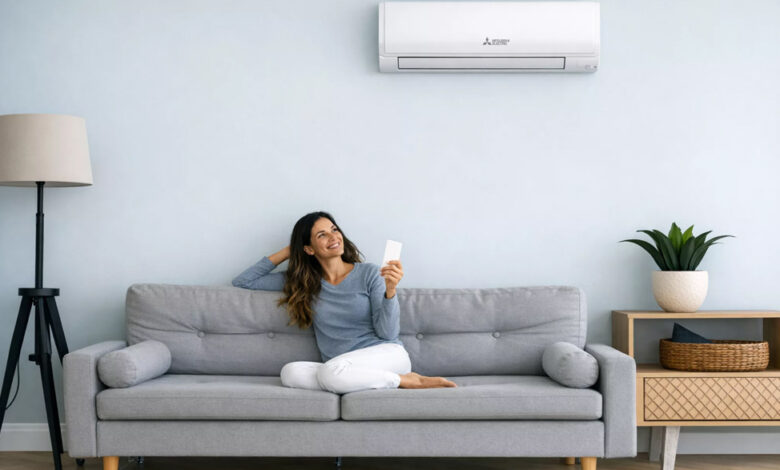
Creating a Comfortable Indoor Environment With Smarter Heating and Cooling Solutions

Maintaining a comfortable indoor environment is an important part of creating a healthy, productive, and enjoyable home or workplace. Temperature can influence everything from sleep quality and concentration to energy consumption and general comfort. During colder periods, an effective heating system can help maintain a warm and welcoming interior, while reliable cooling becomes essential when outdoor temperatures rise. Because these systems often operate throughout the year, understanding how they work and how to maintain them can help property owners make better decisions about comfort, efficiency, and long-term equipment performance.
Modern heating and cooling systems are designed to provide much more than basic temperature control. Depending on the equipment installed, a complete climate-control system may regulate temperature, circulate air, improve humidity levels, filter airborne particles, and maintain a more consistent indoor environment. However, even advanced equipment requires appropriate installation, regular maintenance, and timely attention when performance begins to decline.
Understanding the Basics of Indoor Temperature Control
Indoor temperature control depends on several factors working together. The equipment itself is important, but insulation, ventilation, air distribution, building design, windows, doors, and outdoor conditions can all influence how effectively a property maintains a comfortable temperature. A highly efficient system can still struggle if conditioned air escapes through poorly sealed areas or if insulation is inadequate.
Heating systems generally add thermal energy to indoor air or transfer heat from one area to another. Depending on the design, a property may use a furnace, heat pump, boiler, radiant heating system, or another type of technology. Cooling systems, meanwhile, commonly remove heat from indoor air and release it outdoors. Air conditioners and heat pumps can perform this function while circulating conditioned air throughout the building.
Understanding this basic relationship makes it easier to recognize why maintenance and building efficiency matter. When equipment operates correctly but the surrounding structure allows excessive heat loss or heat gain, the system may need to run for longer periods to maintain the desired temperature.
Choosing the Right System for a Property
Selecting a temperature-control system should involve more than choosing the largest or most powerful unit available. Equipment should be appropriately sized for the building and its specific requirements. An oversized system may cycle on and off too frequently, while an undersized system may run for extended periods without adequately maintaining the desired temperature.
Factors such as building size, insulation, ceiling height, window placement, occupancy, local weather patterns, and internal heat sources can influence equipment requirements. A professional assessment can help determine the appropriate capacity and system configuration.
Different technologies also have different advantages. Furnaces can provide rapid heating, while heat pumps can offer both heating and cooling from a single system. Ductless systems may provide flexibility in buildings where traditional ductwork is impractical. Radiant systems can distribute warmth through floors, walls, or other surfaces rather than relying primarily on forced air.
The best solution depends on the characteristics of the property and the goals of the occupants. Energy efficiency, installation requirements, operating costs, maintenance needs, and expected service life should all be considered before making a decision.
The Importance of Professional Installation
Even high-quality equipment can perform poorly when it is installed incorrectly. Installation affects airflow, electrical connections, refrigerant performance, ductwork, drainage, controls, and overall system operation. An installation that does not follow manufacturer specifications can reduce efficiency and potentially shorten equipment life.
Proper sizing is another major consideration. Professionals can assess the property before recommending equipment rather than relying solely on general assumptions about square footage. They can also identify potential problems with ductwork, insulation, airflow, and ventilation that may affect the final result.
Correct installation can also improve reliability. When components are properly connected and adjusted, the system has a better opportunity to operate within its intended parameters. This can reduce unnecessary strain and help prevent avoidable service problems.
Why Regular Maintenance Matters
Routine maintenance is one of the most effective ways to support reliable system performance. Over time, filters become dirty, moving components wear, electrical connections may require inspection, and outdoor units can accumulate leaves or other debris. Small problems can gradually affect performance if they are not addressed.
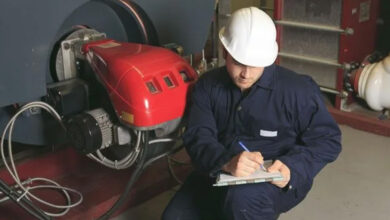
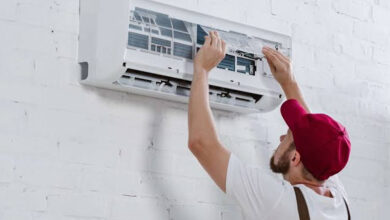
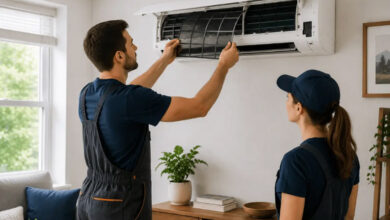
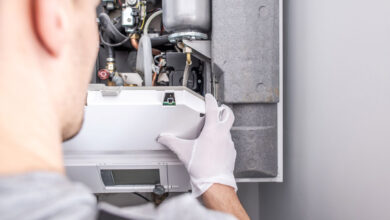
A maintenance visit may include inspection of major components, filter evaluation, airflow checks, electrical testing, cleaning, and other procedures appropriate to the type of system. For cooling equipment, technicians may also inspect refrigerant-related components and condensate drainage. Heating systems may require inspection of burners, heat exchangers, ignition components, or other equipment-specific parts.
Maintenance does not guarantee that a system will never fail, but it can help identify developing problems earlier. Early detection may allow a smaller repair to be addressed before it contributes to more extensive damage.
Recognizing Signs of Reduced Performance
Property owners should pay attention to changes in how their system operates. A noticeable increase in energy consumption without a corresponding change in usage can sometimes indicate declining efficiency. Uneven temperatures between rooms may point to airflow problems, ductwork issues, insulation deficiencies, or equipment limitations.
Unusual sounds are another important warning sign. Grinding, rattling, squealing, buzzing, or repeated clicking can indicate that a component needs attention. The meaning of a particular sound depends on the system, so professional diagnosis is often necessary.
Strange odors can also warrant investigation. Some temporary odors may occur when equipment starts after a long period of inactivity, but persistent burning, musty, or unusual smells should not be ignored. If there is a potential electrical or combustion-related concern, the system should be turned off and assessed by an appropriate professional.
Frequent cycling is another possible warning sign. A system that starts and stops unusually often may have an issue involving sizing, controls, airflow, temperature sensors, or another component. Continuing to operate a malfunctioning system without investigation can increase wear and reduce comfort.
Improving Energy Efficiency
Energy efficiency is a major consideration for many property owners because heating and cooling can account for a significant portion of building energy use. Improving efficiency is not necessarily about replacing equipment immediately. Several smaller improvements can also reduce unnecessary energy consumption.
Regular filter replacement is a simple example. A heavily restricted filter can reduce airflow and force the system to work harder. The appropriate replacement schedule depends on the filter type, equipment, indoor air conditions, and household or building usage.
Sealing air leaks can also improve efficiency. Gaps around windows, doors, duct connections, and other openings can allow conditioned air to escape. Proper insulation can further reduce unwanted heat transfer between the interior and exterior.
Thermostat settings also matter. Programmable or smart controls can help adjust temperature settings according to occupancy and daily routines. Instead of maintaining the same temperature continuously, users can reduce heating or cooling demand when spaces are unoccupied, provided the settings remain appropriate for the building and equipment.
The Role of Airflow and Ductwork
In forced-air systems, the quality of the ductwork can significantly influence performance. Ducts distribute conditioned air throughout the building, so leaks, poor insulation, blockages, or inadequate design can affect temperature consistency and efficiency.
If some rooms are consistently too warm while others remain too cool, the problem may not necessarily be the main equipment. Airflow restrictions or ductwork issues could contribute to uneven conditions.
Professional inspection can help identify problems that are difficult to see from inside the occupied space. In some cases, improving duct sealing or insulation may enhance system performance without requiring complete equipment replacement.
Airflow also depends on unobstructed vents and registers. Furniture, curtains, storage items, or other objects can block air movement and interfere with distribution. Keeping supply and return openings clear is a simple step that can support more consistent operation.
Indoor Air Quality and Comfort
Temperature is only one part of indoor comfort. Air quality can also influence how people experience a building. Dust, allergens, humidity, odors, and airborne particles can affect the indoor environment, particularly when ventilation or filtration is inadequate.
Filters can help capture certain airborne particles, although their effectiveness depends on the filter design and the system’s ability to handle the resulting airflow resistance. Selecting a filter should therefore involve consideration of the equipment manufacturer’s recommendations.
Humidity is another important factor. Excessive indoor moisture can create an uncomfortable environment and may contribute to condensation and other building concerns. Very dry air can also cause discomfort for some occupants. Depending on the building and climate, humidity control may be incorporated into the overall indoor environmental strategy.
Ventilation should also be considered. A building needs an appropriate balance between energy efficiency and fresh-air requirements. Professional assessment can help determine whether ventilation improvements are appropriate.
Preparing Systems for Seasonal Changes
Seasonal preparation can help identify problems before equipment is needed heavily. Before periods of increased heating demand, homeowners and property managers can arrange inspections to ensure that the system is operating correctly. Cooling systems can receive similar attention before extended periods of warm weather.
Preparing in advance can also reduce the inconvenience associated with unexpected failures during periods of high demand. When a system is already operating under heavy load, a small malfunction can become particularly disruptive.
Seasonal maintenance may include cleaning, inspection, filter replacement, airflow evaluation, and testing of system controls. The exact procedures vary according to equipment type and manufacturer recommendations.
Repairing Problems Before They Become Larger
A system does not always fail suddenly. Many mechanical and electrical problems develop gradually. A small component may begin to wear, causing the system to compensate by operating longer or more frequently. Over time, that additional workload can affect other parts.
Addressing problems early can sometimes reduce repair complexity. For example, replacing a worn component may be simpler than waiting until it damages related parts. Early attention can also restore efficiency and comfort before occupants experience a major disruption.
However, not every unusual symptom indicates a serious failure. Professional diagnosis is useful because it can distinguish normal operating behavior from conditions that require repair. This prevents unnecessary part replacement while ensuring genuine problems receive appropriate attention.
When Replacement May Make Sense
Repair is often appropriate when equipment is otherwise in good condition, but there are circumstances where replacement deserves consideration. Older systems may become increasingly expensive to maintain as components wear and replacement parts become harder to obtain.
Frequent breakdowns can also affect the overall value of continued repairs. If a system repeatedly requires major service, property owners may compare the expected cost of future repairs with the benefits of newer, more efficient equipment.
Replacement decisions should consider more than the purchase price. Installation costs, operating efficiency, maintenance requirements, expected service life, warranty terms, and compatibility with the building can all influence the long-term value of a new system.
A professional evaluation can provide useful information about the current condition of the equipment and whether replacement is necessary or simply one option among several.
Smart Controls and Modern Technology
Technology has changed the way many people manage indoor temperatures. Smart thermostats and connected controls can allow users to monitor and adjust settings through digital interfaces. Some systems can learn occupancy patterns or provide information about energy use.
Advanced controls may also help identify unusual operating patterns. Depending on the system, users may receive alerts about temperature changes, maintenance needs, or equipment issues.
Technology should complement rather than replace good maintenance. A smart thermostat cannot compensate for a dirty filter, damaged component, blocked airflow, or improperly sized equipment. The most effective approach combines appropriate technology with proper installation and routine professional care.
Maintaining a Comfortable Indoor Environment
A comfortable building requires a combination of reliable equipment and sensible building practices. Keeping doors and windows properly sealed, maintaining suitable insulation, cleaning or replacing filters as recommended, and keeping vents unobstructed can all support better system performance.
Occupants should also avoid constantly changing thermostat settings in response to minor temperature fluctuations. Sudden and frequent adjustments may not produce the desired result and can make it harder to maintain consistent comfort. Instead, appropriate settings should be selected based on occupancy, season, building characteristics, and personal comfort preferences.
Regular professional attention remains important because some issues cannot be identified through everyday use. A trained technician can examine components, measure system performance, and identify potential concerns that may otherwise go unnoticed.
Making a Practical Service Decision
When searching for heating and cooling services, property owners should consider more than price alone. Experience with the specific type of equipment, quality of communication, maintenance options, availability of replacement parts, and clarity of service recommendations can all be relevant.
A trustworthy provider should explain the nature of a problem and outline the available solutions in understandable terms. If replacement is recommended, the reasons should be clear, including the condition of the existing equipment and the potential benefits of a new system.
It can also be helpful to ask about routine maintenance plans. Regular service can make it easier to keep track of inspections and address developing issues before they become disruptive. Documentation of previous repairs and maintenance can also help technicians understand the history of the equipment.
Long-Term Benefits of Proper System Care
Consistent attention to heating and cooling systems can provide benefits beyond immediate temperature control. Well-maintained equipment can support more reliable operation, improve comfort, and help property owners manage energy use more effectively.
Maintenance can also contribute to longer equipment life by reducing the effects of avoidable wear. While every system eventually reaches the end of its useful life, appropriate care can help owners get the intended service from their investment.
Comfort should remain the central goal. A system that operates efficiently but produces significant temperature differences between rooms may still fail to meet the needs of the occupants. Likewise, an extremely powerful system may not provide the best experience if it cycles excessively or creates inconsistent humidity.
A balanced approach considers equipment performance, building characteristics, occupant needs, and long-term operating costs together.
Conclusion
A dependable indoor climate does not happen by accident. It results from choosing suitable equipment, installing it correctly, maintaining it consistently, and responding to warning signs before they become major problems. Heating and cooling systems have an important role in maintaining comfortable indoor conditions, but their performance also identifies worn components, restricted airflow, dirty filters, and other concerns before they interfere significantly with comfort. Property owners can also improve performance through sensible thermostat management, appropriate insulation, air depends on insulation, airflow, ventilation, controls, and general building efficiency.
Regular maintenance can help identify worn components, restricted airflow, dirty filters, and other concerns before they interfere significantly with comfort. Property owners can also improve performance through sensible thermostat management, appropriate insulation, air sealing, unobstructed vents, and timely professional inspections.
When evaluating heating and cooling solutions, it is important to consider both immediate comfort and long-term performance. The most suitable approach depends on the property, equipment, occupancy patterns, budget, and maintenance requirements. By taking a comprehensive approach rather than focusing on one component, property owners can create an indoor environment that remains comfortable, efficient, and dependable throughout changing seasons.
Ultimately, a well-maintained climate-control system is an investment in everyday comfort and the long-term condition of a property. Whether the goal is improving an existing system, addressing a performance problem, or planning for future equipment needs, informed decisions and consistent care can make a meaningful difference in how effectively a building stays comfortable throughout the year.