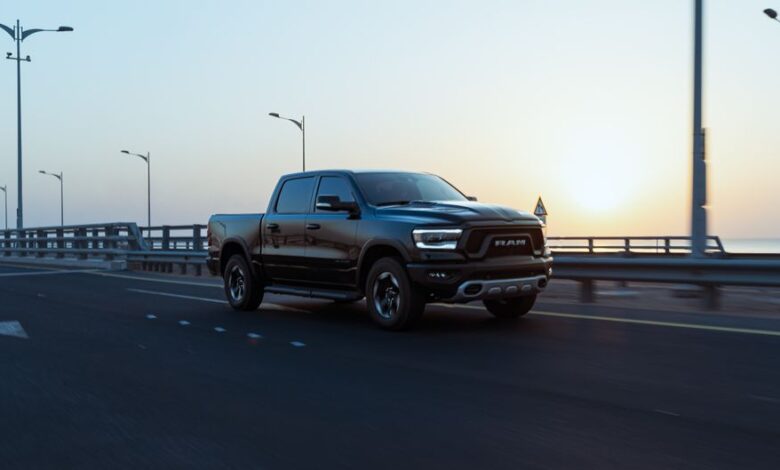

Buying a used RAM truck can be a practical way to get the strength, capability, and comfort of a pickup without paying the price of a brand-new model. However, choosing the right truck requires more than checking its appearance and comparing prices. Buyers exploring used RAM trucks for sale in South Texas should carefully inspect the vehicle’s mechanical condition, service history, interior features, and overall performance before making a decision. A thorough inspection can help identify potential problems and provide a clearer understanding of whether the truck is worth the investment.
Examine the Truck’s Exterior Condition
The exterior can reveal important details about how a RAM truck was previously used and maintained. Start by walking around the vehicle and examining the body panels, doors, bumpers, and tailgate. Look for dents, scratches, rust, and signs of previous repairs. Minor cosmetic damage may not affect performance, but uneven panel gaps or mismatched paint could indicate that the truck has been involved in an accident.
Pay particular attention to the frame and undercarriage. Pickup trucks are often used for towing, hauling, and driving on rough roads, which can expose their lower components to damage. Check for visible rust, bent sections, damaged protective coatings, and signs of welding or repairs. Surface dirt is normal on a used truck, but serious corrosion or structural damage deserves closer attention.
The condition of the truck bed also matters. Deep scratches, dents, damaged bed liners, and worn tie-down points may indicate frequent heavy use. These details are especially important if you plan to use the truck for work, recreation, or transporting equipment.
Check the Engine and Mechanical Components
The engine is one of the most important parts to inspect before purchasing a used RAM truck. Start by checking the engine bay for visible leaks, loose connections, damaged hoses, and unusual corrosion. Look around the engine, radiator, and fluid reservoirs for signs of oil or coolant leakage. Low fluid levels or dirty fluids may suggest that the vehicle has not received consistent maintenance.
Ask the seller whether the engine has undergone any major repairs or component replacements. Depending on the model year and engine configuration, RAM trucks may have different powertrain options, including gasoline and diesel engines. Each has its own maintenance requirements, so understanding the specific engine in the truck can help you evaluate its condition.
If possible, arrange for the engine to be inspected by a qualified mechanic. A professional can identify warning signs that may not be obvious during a basic visual inspection. Unusual knocking, excessive smoke, rough idling, or difficulty starting should be investigated before proceeding with the purchase.
Evaluate the Transmission and Drivetrain
A truck’s transmission and drivetrain have a major influence on how it performs under different driving conditions. During a test drive, pay attention to how smoothly the transmission changes gears. Delayed engagement, slipping, unexpected jerking, or unusual noises may indicate mechanical problems.
For automatic transmissions, shifting should generally feel consistent during acceleration and deceleration. If the truck has a manual transmission, check the clutch for excessive wear, slipping, or difficulty engaging gears.
Buyers considering a four-wheel-drive RAM should also test the four-wheel-drive system, where it is safe and appropriate to do so. Make sure the system engages correctly and listen for grinding or clicking noises. Inspect the transfer case, driveshafts, and differentials for leaks or visible damage. These components are particularly important if you plan to use the truck on unpaved roads, at work sites, or in challenging weather conditions.
Inspect the Tires, Brakes, and Suspension
Tires can provide useful information about a truck’s maintenance and alignment. Examine the tread depth and look for uneven wear across each tire. Uneven patterns may point to alignment problems, suspension damage, or incorrect tire pressure. Also check the sidewalls for cracks, bulges, and other signs of deterioration.
The brakes should be inspected carefully because they directly affect driving safety. During the test drive, notice whether the truck stops smoothly without pulling to one side, vibrating, or producing unusual sounds. A soft brake pedal or excessive stopping distance may indicate that the braking system needs attention.
The suspension is equally important, particularly on a pickup that may have carried heavy loads. Check the shocks, struts, springs, and related components for leaks, damage, or excessive wear. During the drive, listen for knocking sounds when passing over bumps. A truck that feels unstable or bounces excessively may need suspension repairs.
Review the Maintenance and Service History
A well-documented maintenance history can make a used RAM truck a more confident purchase. Ask for available service records, repair invoices, and maintenance documentation. These records can show whether the previous owner followed recommended service intervals and addressed problems promptly.
Look for evidence of regular oil changes, transmission servicing, brake maintenance, tire replacements, and cooling system inspections. If the truck has a diesel engine, review records for diesel-specific maintenance as well.
The vehicle identification number, commonly called the VIN, can help you obtain additional information about the truck’s history. Use it to check available vehicle history reports for reported accidents, title issues, ownership changes, mileage records, and other relevant details. Remember that a history report may not include every repair or incident, so it should support rather than replace a physical inspection.
Assess the Interior and Electronic Features
The interior condition can indicate how carefully the previous owner treated the vehicle. Examine the seats, dashboard, carpets, headliner, and door panels for excessive wear, stains, tears, or water damage. Check whether the seat adjustments, windows, locks, mirrors, and climate controls operate correctly.
Start the truck and observe the dashboard warning lights. Warning indicators should behave as expected during startup. If the check engine, airbag, ABS, or other warning lights remain illuminated, ask for a proper diagnostic inspection.
Test the infotainment system, backup camera, parking sensors, Bluetooth connectivity, and available driver-assistance features. Not every RAM model includes the same technology, so compare the equipment with the vehicle’s original specifications. Make sure important features work rather than assuming they are functional because they appear on the dashboard or touchscreen.
Consider Towing and Payload Requirements
Many buyers choose RAM trucks because they need a vehicle capable of handling demanding tasks. However, towing and payload capacities vary depending on the model, engine, cab configuration, drivetrain, and equipment package.
Before purchasing, identify what you expect the truck to carry or tow. Check the manufacturer’s specifications for the exact vehicle rather than relying on general figures advertised for the model range. Review the door-jamb information label and owner’s manual where available.
If the previous owner regularly used the truck for towing or hauling, inspect the hitch, trailer wiring, rear suspension, and related components. Signs of excessive wear may indicate that the truck has frequently operated under heavy loads. A vehicle that looks clean may still have experienced demanding working conditions.
Take a Thorough Test Drive
A test drive helps reveal issues that may not be visible when the truck is parked. Begin with normal city driving and gradually test the vehicle at different speeds. Pay attention to steering response, braking, acceleration, transmission behavior, and engine noise.
If possible, drive over a variety of road surfaces. Listen for rattling, vibration, suspension noises, or unusual sounds from the drivetrain. Check whether the truck tracks straight and feels stable when braking. Also assess visibility, seating comfort, and the ease of using the controls.
Avoid rushing this stage. If the seller is unwilling to allow a reasonable test drive or an independent inspection, consider it a reason to be cautious.
Arrange a Professional Pre-Purchase Inspection
Even buyers with experience inspecting vehicles can overlook hidden mechanical problems. An independent pre-purchase inspection provides an additional level of confidence. A qualified mechanic can examine the engine, transmission, frame, suspension, brakes, electrical systems, and other major components.
Ask the mechanic to scan the vehicle’s computer for diagnostic trouble codes. Some problems may not trigger a visible warning light, but stored codes can provide useful information about previous or current faults.
The inspection report can also help you estimate upcoming maintenance expenses. If repairs are needed, you can discuss them with the seller before agreeing on a final price. This helps prevent unexpected costs after the purchase.
Make an Informed Buying Decision
Purchasing a used RAM truck should involve careful research, a detailed inspection, and a realistic assessment of your needs. Exterior condition, engine performance, transmission behavior, service records, safety systems, and towing capability all contribute to the vehicle’s overall value.
Rather than focusing only on mileage or asking price, consider the truck’s complete condition and maintenance history. A well-maintained model with reasonable mileage may offer better long-term value than a cheaper truck with neglected components or unclear records. Taking time to inspect the vehicle and arrange professional advice can help you choose a used RAM truck that meets your expectations and provides dependable performance.