
Maintaining a comfortable indoor environment throughout the year requires dependable equipment that can respond effectively to changing temperature conditions. Property owners need reliable heating when outdoor temperatures become colder and efficient cooling when indoor spaces begin to feel warm and uncomfortable. A heat pump offers a practical solution because it can support both heating and cooling within one integrated system. Rather than depending entirely on separate pieces of equipment for different seasons, this system is designed to transfer heat and adjust its operation according to changing indoor comfort requirements. Modern heating and cooling technology has made these systems an increasingly valuable option for property owners who want dependable temperature control, improved flexibility, and a practical approach to year-round indoor comfort. However, achieving reliable performance depends on more than simply installing new equipment. Proper system selection, professional installation, regular maintenance, accurate repairs, and attention to airflow all contribute to the long-term performance of the equipment.
A heating and cooling system contains multiple components that must work together correctly to maintain consistent indoor conditions. The thermostat communicates with the equipment, electrical components help control operation, mechanical parts support the heating and cooling process, and air-moving equipment distributes conditioned air throughout the property. If one part begins to experience a problem, the overall system may not perform as expected. Property owners may notice uneven temperatures, weak airflow, unusual sounds, frequent cycling, or increased energy use before a complete system failure occurs. Paying attention to these warning signs and arranging professional service can help identify developing concerns before they become more serious. A proactive approach to system care gives property owners more opportunities to maintain reliable performance and make informed decisions about future maintenance, repairs, or equipment replacement.
Understanding How the System Supports Heating and Cooling
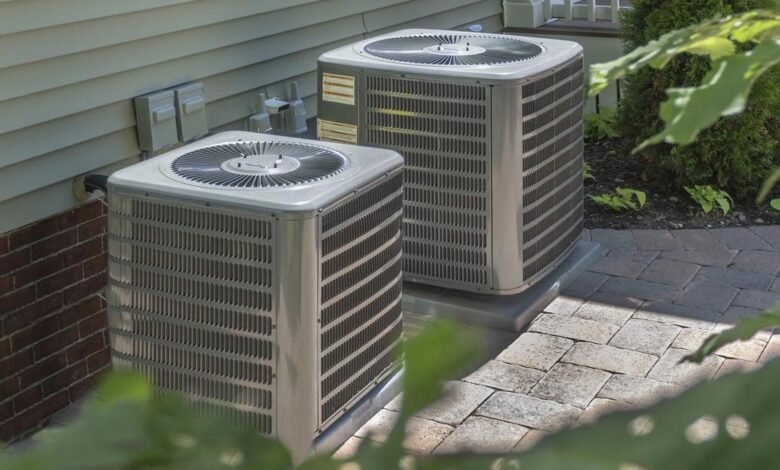
A heat pump works differently from a traditional system that relies only on generating heat. Instead, it is designed to move heat from one location to another as part of the heating and cooling process. During warmer periods, the system can help remove heat from indoor spaces to support a more comfortable environment. During colder periods, it can operate differently to help transfer available heat and support indoor warmth. This ability to perform more than one function makes the system a versatile option for properties that require dependable temperature control throughout changing seasons.
The performance of the system depends on the condition of several interconnected components. Proper airflow is necessary to move conditioned air throughout the property, while electrical and mechanical components must operate correctly to support the overall heating and cooling process. The thermostat also plays an important role because it communicates indoor comfort requirements to the equipment. When these components work together effectively, the system can provide more consistent temperature control. However, when airflow becomes restricted, mechanical parts experience wear, or controls begin to malfunction, the entire system may be affected. Professional service helps identify the actual source of performance problems rather than focusing only on the most noticeable symptom.
Understanding how the complete system operates can help property owners make better decisions about equipment care. A room that feels too warm or too cool may not always indicate that the main unit has failed. The issue could involve ductwork, airflow, thermostat operation, insulation, or another part of the overall heating and cooling system. A professional evaluation provides a broader view of the equipment and helps identify practical solutions based on the actual condition of the property.
Why Professional Installation Is Important
The installation process creates the foundation for long-term equipment performance. Before new heating and cooling equipment is installed, several property-specific factors should be considered. The size and layout of the building, insulation levels, windows, airflow requirements, and existing system components can all influence the type and capacity of equipment needed. Choosing equipment without properly evaluating these conditions can lead to comfort problems and unnecessary strain on the system.Equipment that does not match the needs of the property may struggle to maintain consistent temperatures. A system that lacks sufficient capacity may need to operate for extended periods, while equipment that is not properly matched to the property can experience inefficient operating patterns. Professional installation helps address these concerns by evaluating the property before the equipment is selected and installed.Installation also involves more than placing the main equipment in position. Electrical connections, controls, airflow pathways, drainage requirements, and other important details must be addressed correctly. After installation, the system should be evaluated to confirm that it is operating as intended. Careful installation supports dependable performance and provides a stronger foundation for future maintenance and service.
The Importance of Routine Maintenance
Like all mechanical equipment, a heat pump experiences normal wear over time. Regular operation can affect the condition of moving parts, electrical connections, airflow components, and other important areas. Dust and debris may also influence how efficiently the system operates. Routine professional maintenance provides an opportunity to inspect the equipment and identify developing concerns before they become major problems.A maintenance visit may include evaluating overall system operation, inspecting accessible components, checking airflow, examining controls, and identifying signs of normal wear or developing issues. The exact maintenance requirements depend on the type, condition, and age of the equipment. A professional service team can recommend an appropriate maintenance schedule based on how the system is used and the needs of the property.Preventive maintenance cannot guarantee that every unexpected problem will be avoided, but it can help reduce the likelihood of many avoidable concerns. Regular attention also provides useful information about the condition of the equipment. If a component begins to show signs of wear, property owners may have more time to plan for service rather than waiting until a sudden failure creates an emergency situation.
Recognizing Signs That Professional Service May Be Needed
Changes in system performance can provide valuable warning signs that professional attention may be necessary. Reduced heating or cooling capacity is one of the most noticeable concerns. If the system operates for long periods but the property does not reach a comfortable temperature, an inspection may help determine what is affecting performance. Uneven temperatures can also indicate that the system, airflow pathways, or another part of the property requires attention.Weak airflow is another common concern. Some rooms may receive adequate conditioned air while others remain consistently uncomfortable. This problem can involve filters, ductwork, air-moving components, or other factors that affect how air travels through the property. A professional inspection can help identify the actual source of the issue.Unusual sounds should also be evaluated rather than ignored. Rattling, buzzing, grinding, or repeated clicking can indicate that a mechanical or electrical component requires professional attention. Frequent cycling and unexpected changes in energy use may also suggest that the system is working under conditions that should be inspected.Early service can help prevent additional equipment stress. A system does not need to stop operating completely before professional attention becomes necessary. Addressing performance changes while the equipment is still functioning can provide more flexibility and may help prevent a relatively manageable concern from becoming a larger problem.
Airflow and Its Effect on Indoor Comfort
Airflow plays a major role in maintaining consistent comfort throughout a property. Even when heating and cooling equipment is operating, certain rooms may remain warmer or cooler than others if conditioned air is not moving efficiently. Air must travel through filters, air-moving components, ductwork, and vents before reaching different indoor areas, and problems anywhere along this pathway can influence comfort.Air filters require regular attention because heavily restricted filters can interfere with normal airflow. However, filters are not the only possible source of airflow concerns. Ductwork may have restrictions or other conditions that affect air distribution, while blocked vents can also limit the movement of conditioned air. Mechanical problems involving air-moving components may create similar symptoms.Professional evaluation can help determine whether uneven comfort is related to the main equipment or another part of the system. Looking at the complete heating and cooling arrangement provides a more accurate understanding of the problem. Addressing the actual cause of poor airflow can support more balanced temperature distribution and help reduce unnecessary stress on important equipment.
Energy Efficiency and System Performance
Energy efficiency is influenced by more than the model of heating and cooling equipment installed in a property. Equipment condition, maintenance practices, installation quality, airflow, thermostat operation, insulation, and the overall design of the property can all affect how much energy is needed to maintain comfortable temperatures.A system that is experiencing performance problems may work harder than necessary. Longer operating cycles and restricted airflow can increase equipment strain and affect energy use. Professional maintenance and timely repairs can help identify concerns that may be contributing to reduced efficiency and restore more effective system operation when appropriate.Property owners should avoid assuming that increased energy use is caused by one specific component without a professional evaluation. Changes in equipment performance can have several possible causes. A complete inspection can provide useful information about the condition of the system and help identify where improvements may offer the greatest benefit.
Repair and Long-Term Equipment Care
Professional repairs can help restore performance when a system develops an operational problem. The appropriate solution depends on the nature of the issue, the age and condition of the equipment, and the history of previous repairs. Some problems can be resolved effectively with targeted professional service, allowing the system to continue providing dependable heating and cooling.Property owners should pay attention to recurring issues because repeated service needs may provide useful information about the overall condition of the equipment. Frequent breakdowns, declining performance, and repeated concerns involving important components can indicate that more comprehensive planning is needed.Keeping records of maintenance and repairs can help property owners better understand the history of their equipment. This information can be useful when recurring problems develop or when replacement eventually needs to be considered. A long-term approach allows property owners to make decisions based on equipment condition rather than waiting for a complete system failure.
When Replacement Should Be Considered
Although professional repairs can resolve many equipment problems, every system eventually reaches a point where replacement may become a practical consideration. The age of the equipment, frequency of repairs, declining performance, and the condition of major components can all influence this decision.An older system that begins requiring frequent or significant repairs may become increasingly difficult to maintain. Property owners may benefit from comparing the expected value of continued repairs with the potential advantages of replacing aging equipment. Planning ahead can provide more time to evaluate available options without the pressure of making a decision during an unexpected breakdown.Professional guidance can help determine whether continued repairs or replacement may be more appropriate. The decision should be based on the actual condition of the equipment and the specific comfort requirements of the property. A careful evaluation provides useful information that supports informed long-term planning.
Working With Qualified Heating and Cooling Professionals
Professional service provides valuable support throughout the life of heating and cooling equipment. Qualified technicians can assist with installation, maintenance, diagnostics, repairs, and replacement planning. Their experience allows them to evaluate complex systems and identify conditions that may not be obvious from a simple review of the equipment.Clear communication is also an important part of professional service. Property owners benefit when they understand the condition of their equipment and the reason behind recommended maintenance or repairs. This information can help them prioritize service needs and make more informed decisions about future improvements.A dependable service team can provide continuity throughout the life of the system. Instead of searching for assistance only when a major problem occurs, property owners can develop a proactive approach that includes regular maintenance and timely inspections. This type of planning can support better equipment reliability and reduce the stress associated with unexpected system failures.
Creating a Preventive Care Strategy
A preventive care strategy helps property owners stay ahead of developing system concerns. Regular maintenance creates opportunities to inspect equipment and identify signs of wear before they become major problems. Monitoring changes in system performance can also help determine when professional attention is needed.A practical approach may include scheduling regular service, monitoring filters, paying attention to unusual sounds, and noticing changes in temperature consistency or airflow. Property owners can also maintain records of service visits and repairs to create a clearer picture of equipment history.Preventive care provides greater flexibility when planning for future needs. If equipment begins showing signs of aging or declining performance, property owners can discuss available options before an emergency occurs. This allows more time to evaluate maintenance, repair, and replacement decisions carefully.
Conclusion
A modern heat pump can provide dependable support for year-round indoor comfort when it is properly selected, installed, maintained, and serviced. Its ability to support both heating and cooling makes it a practical solution for many properties, but long-term performance depends on more than the equipment itself. Proper airflow, routine maintenance, accurate diagnostics, timely repairs, and professional guidance all contribute to reliable system operation.Property owners who pay attention to changes in equipment performance can often identify concerns before they become major disruptions. Reduced heating or cooling, weak airflow, unusual sounds, inconsistent temperatures, and unexpected changes in operation should all be evaluated when they occur. Professional service can help identify the actual cause of these concerns and recommend practical solutions based on the condition of the equipment.Taking a proactive approach to heating and cooling system care can help reduce unnecessary equipment stress and support better long-term performance. Regular professional attention provides opportunities to maintain reliable operation, improve planning, and protect the equipment that supports indoor comfort throughout the year. By focusing on proper care and timely service, property owners can create a stronger foundation for consistent comfort, dependable operation, and long-term system reliability.