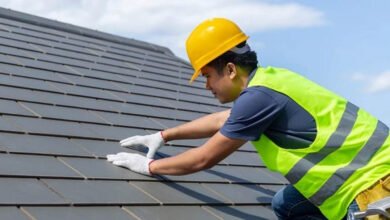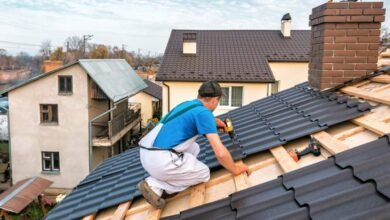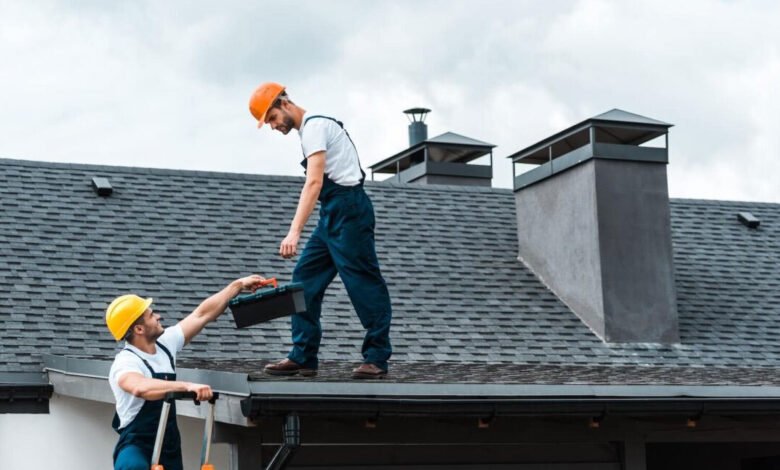

A roofing system is one of the most important investments a property owner can make because the roof provides the primary barrier between the building and the outdoor environment. Throughout its service life, a roof must withstand rain, wind, sunlight, temperature changes, moisture, debris, and occasional severe weather, while continuing to protect the interior spaces beneath it. Because roofing materials are constantly exposed to these conditions, gradual deterioration is normal, but neglecting maintenance or delaying necessary repairs can allow relatively small concerns to develop into much more complicated problems. A professional roofing service provides more than a quick solution to visible damage; it involves understanding how the entire roofing system works and determining what needs to be repaired, maintained, upgraded, or replaced. Experienced roofing contractors can inspect roofing materials, flashing, roof edges, valleys, ventilation, drainage, and underlying structures to identify conditions that may affect performance. With professional planning and quality workmanship, property owners can improve roof durability, reduce the likelihood of recurring problems, protect interior spaces, and maintain the long-term value of their property.
Why a Reliable Roofing System Matters
The importance of a reliable roof becomes particularly clear when considering everything it protects. A roofing system helps prevent rainwater from reaching ceilings, walls, insulation, framing, electrical components, flooring, furniture, and personal belongings. It also contributes to the overall performance of the building envelope by helping manage moisture and outdoor temperature conditions. When roofing materials are damaged or improperly installed, water can find pathways beneath shingles and into the underlying structure. What begins as a small leak can eventually result in deteriorated decking, damaged insulation, stained ceilings, weakened framing, or other costly concerns if the source is not identified and corrected.A roofing system also has to work with several other exterior components. Gutters collect water from the roof and move it toward downspouts, while flashing protects areas where the roof meets walls, chimneys, vents, and other structures. Ventilation helps manage heat and moisture in attic spaces, and the roof deck provides the supporting surface beneath the roofing materials. Because these components are interconnected, a problem with one part can sometimes affect the performance of another. Professional roofing services take this complete system into consideration so that recommendations address the actual cause of a problem rather than only treating its most visible symptom.
The Value of Professional Roofing Experience
Roofing work requires specialized knowledge because every property can have different roof slopes, materials, drainage patterns, structural conditions, and environmental challenges. A problem that appears simple from ground level may require a much more detailed evaluation to determine its true cause. For example, a ceiling stain does not necessarily mean that the roofing material directly above it is damaged. Water may enter through flashing, travel along the roof deck, move through insulation, and eventually appear at a completely different location inside the property.Professional experience allows roofing specialists to evaluate these relationships and investigate the source of the problem. They can identify patterns of deterioration, distinguish between localized and widespread damage, and determine whether repair or more extensive work is appropriate. Experienced professionals also understand the installation requirements of different roofing materials and the importance of proper fastening, flashing, underlayment, ventilation, and drainage. This knowledge helps create solutions that are intended to provide long-term performance instead of temporary results.
Regular Roof Inspections and Preventive Care
Regular roof inspections are an important part of responsible property maintenance because they provide an opportunity to identify developing problems before they become severe. During an inspection, professionals can examine shingles or other exterior roofing materials for cracking, curling, missing sections, excessive wear, granule loss, and signs of weather damage. They can also evaluate flashing around vulnerable areas, check visible roof edges, inspect valleys, and look for signs that water may not be draining correctly.Preventive inspections are particularly valuable because many roofing problems develop gradually. A small section of damaged flashing may not immediately cause a noticeable leak, but repeated exposure to rain can eventually allow moisture into the roofing assembly. Similarly, a few loose shingles may become more vulnerable during the next period of strong wind. Identifying these conditions early gives property owners an opportunity to address them before they expand. Regular inspections can therefore support a proactive maintenance strategy and may reduce the likelihood of unexpected roofing emergencies.
Understanding Common Roofing Damage
Roofing materials can deteriorate for many reasons, including age, weather exposure, improper installation, inadequate ventilation, poor drainage, and physical impact. Wind can lift or loosen shingles, hail can cause impact damage, and falling branches can puncture or break roofing materials. Prolonged sunlight can contribute to material aging, while repeated temperature changes can place stress on roofing components. Moisture is another major concern because it can affect not only the exterior surface but also the materials beneath it.Property owners should pay attention to visible warning signs such as missing shingles, curled edges, cracked materials, damaged flashing, exposed underlayment, or areas that appear unusually worn. Interior warning signs may include ceiling stains, peeling paint, damp insulation, unexplained moisture, or recurring discoloration. While these signs do not always prove that the roof is responsible, they should not be ignored. Professional evaluation can determine whether the roofing system is contributing to the problem and what type of corrective action may be necessary.
Addressing Localized Roofing Problems
When damage is limited to a specific area and the surrounding roofing system remains in good condition, professional repairs can often restore the affected section. Depending on the problem, repairs may involve replacing damaged shingles, securing loose materials, correcting flashing, repairing roof edges, sealing appropriate areas, or addressing localized drainage concerns. The most important part of any repair is identifying why the damage occurred in the first place.Simply replacing a damaged visible component may not solve the problem if an underlying issue remains. For instance, a leak near a chimney may be related to deteriorated flashing rather than the surrounding shingles. Similarly, water overflowing near a roof edge may be connected to blocked or improperly positioned gutters. A professional repair approach investigates the surrounding conditions so that the corrective work addresses the source of the problem and reduces the possibility of recurring damage.
Knowing When Extensive Roofing Work Is Needed
Some roofing systems eventually deteriorate beyond the point where individual repairs provide a practical long-term solution. A roof that has numerous damaged areas, recurring leaks, widespread material aging, deteriorated flashing, or compromised decking may require a more comprehensive project. Continuing to repair one area after another can become costly, particularly when new problems continue to appear.A professional inspection can help property owners understand whether the roof remains suitable for repairs or whether extensive work would provide better value. This decision should consider the age and condition of the system, the extent of damage, the expected remaining service life, and the frequency of previous repairs. A comprehensive project can provide an opportunity to address multiple issues together rather than repeatedly responding to individual failures.
Selecting the Right Roofing Materials
The choice of roofing material can influence durability, maintenance requirements, appearance, and expected service life. Asphalt shingles remain a popular option because they are available in many styles and can provide practical performance for a wide range of properties. Metal roofing can offer durability and resistance to various environmental conditions, while other roofing materials may be selected for specific architectural or performance requirements.Property owners should evaluate roofing materials based on long-term needs rather than focusing only on initial cost. Important considerations can include expected lifespan, resistance to weather exposure, maintenance requirements, appearance, installation requirements, and compatibility with the building. A professional roofing specialist can explain the advantages and limitations of different materials and help property owners select an option that makes sense for the structure and long-term plans.
Preparing the Roof Deck Properly
The roof deck provides the structural foundation beneath many roofing systems, which makes its condition extremely important. During a major roofing project, old materials may be removed so the deck can be examined for moisture damage, rot, weakness, or deterioration. If compromised areas are discovered, they should be repaired or replaced before new roofing materials are installed.Installing new materials over damaged decking can create problems because fasteners may not have adequate support and existing moisture damage may remain hidden. Proper preparation ensures that the new roofing system has a sound surface beneath it. This stage of the project may not be visible once installation is complete, but it has a major influence on the long-term reliability of the roof.
The Importance of Underlayment
Underlayment provides an additional protective layer between the roof deck and the primary exterior roofing material. While shingles and other roofing surfaces are designed to shed most rainfall, underlayment offers additional protection against moisture that may move beneath the exterior covering. This additional layer can be particularly important around vulnerable areas where water may have more opportunity to travel.Correct installation is essential because gaps, improper overlaps, or inadequate coverage can reduce the effectiveness of the underlayment. Professionals consider roof edges, valleys, penetrations, and other areas when installing this protective layer. The specific type of underlayment used can depend on the roofing material and project requirements, but the objective remains the same: provide another level of protection for the roof deck and overall roofing assembly.
Flashing and Vulnerable Roof Areas
Flashing is an essential part of a roofing system because it helps direct water away from areas where roofing materials meet other structures or where openings pass through the roof. Chimneys, skylights, vents, walls, valleys, and roof-to-wall transitions can all require carefully installed flashing. If these components become damaged, loose, or deteriorated, water may enter even when nearby roofing materials appear to be in good condition.Professional roof inspections should therefore include careful attention to flashing. During larger roofing projects, deteriorated flashing may need to be replaced instead of being covered by new materials. Correct integration between flashing and roofing materials helps create a more reliable water-shedding system. Paying attention to these less visible components can make a significant difference in the long-term performance of the roof.
Roof Ventilation and Attic Conditions
Ventilation plays an important role in maintaining the condition of the roofing system and the attic space. Without adequate airflow, heat and moisture can accumulate beneath the roof. Excessive heat may contribute to premature aging of roofing materials, while trapped moisture can affect insulation, decking, framing, and other components.A professional roofing evaluation can help identify ventilation concerns and determine whether the existing system provides appropriate airflow. Intake and exhaust ventilation should work together as part of a balanced approach. When a major roofing project is being planned, addressing ventilation at the same time can help support the longevity of the new roofing system and reduce moisture-related concerns within the attic.
The Connection Between Roofing and Drainage
Effective drainage is an essential part of roof performance because water must be moved away from the building after it reaches the roof surface. Roof slopes and valleys guide water toward the edges, while gutters collect runoff and downspouts carry it toward appropriate discharge locations. If any part of this system is blocked, damaged, or poorly designed, water may accumulate in areas where it can cause damage.Gutters should remain clear of leaves, dirt, and other debris so water can move freely. Downspouts should also be positioned to discharge water away from foundation areas. During roofing inspections, professionals may identify drainage concerns that should be addressed to protect the new or existing roofing system. Effective water management reduces unnecessary moisture exposure and supports the overall condition of the property.
Roofing After Severe Weather
Severe weather can create roofing problems that require prompt attention. Strong winds may loosen or remove shingles, hail can damage exterior materials, and falling branches may puncture roofing surfaces. Heavy rainfall can also reveal weaknesses around flashing, valleys, roof edges, or previously repaired sectionsAfter a major weather event, property owners should look for signs such as missing materials, visible debris, unusual changes to the roof surface, or water stains inside the building. However, inspecting a roof personally can be dangerous, particularly when materials are loose or surfaces are wet. A professional assessment provides a safer and more comprehensive way to determine whether damage has occurred and whether immediate repairs are necessary.
Protecting Interior Spaces From Roof Damage
The condition of the roof directly affects the protection of interior spaces. When moisture enters through a damaged roofing system, it can reach ceilings, walls, insulation, flooring, framing, electrical components, and personal belongings. Prolonged moisture exposure may create deterioration that extends well beyond the original roofing problem.This is why recurring interior water stains should receive professional attention even when the roof does not appear severely damaged from the outside. Water can travel through hidden pathways before becoming visible inside. Finding the source early may help limit the amount of damage and reduce the scope of necessary repairs. Professional roofing services can investigate suspected leaks and determine whether the roofing system requires corrective work.
Choosing Roofing Contractors
Choosing qualified roofing contractors is one of the most important decisions a property owner can make when planning roofing work. Experience, workmanship, communication, material knowledge, and attention to detail should all be considered before selecting a professional. A reputable contractor should conduct an appropriate inspection, explain the condition of the roof, and provide recommendations based on the actual needs of the property.Clear communication is particularly important when roofing work reveals unexpected conditions. For example, old decking may be more damaged than initially visible, or deteriorated flashing may need replacement. Property owners should understand why additional work is recommended and how it contributes to the overall performance of the roofing system. A contractor who communicates clearly can help property owners make informed decisions and avoid misunderstandings throughout the project.
Why Quality Installation Matters
The quality of installation can have a direct impact on the service life of roofing materials. Even high-quality products can experience premature problems when they are improperly installed. Incorrect fastening, poor alignment, inadequate flashing, insufficient underlayment, and improper ventilation can all create vulnerabilities that may eventually result in leaks or material deterioration.Professional installation focuses on creating a complete system in which every component performs its intended role. Particular attention should be given to valleys, edges, penetrations, roof-to-wall transitions, and other areas that are more exposed to water movement. Proper workmanship can help the roofing system withstand normal environmental conditions and reduce the likelihood of premature problems.
Maintenance After Roofing Work
A roof should continue to receive attention after repairs or installation are completed. Regular maintenance can help preserve the condition of the system and identify developing issues early. Property owners should monitor visible roofing materials, flashing, gutters, downspouts, and roof edges for signs of damage or deterioration.Debris should be removed when necessary, particularly when leaves or branches accumulate on the roof. Gutters should be cleaned regularly so water can drain properly, and downspouts should be checked to ensure that water is being discharged away from vulnerable areas. Professional inspections can also be valuable after severe weather or whenever the property owner notices unusual interior moisture.
Building a Proactive Roofing Strategy
A proactive approach to roof care can help property owners avoid unnecessary emergencies and manage long-term maintenance more effectively. Rather than waiting until a major leak appears, property owners can schedule periodic inspections and respond to smaller concerns as they develop. This approach allows problems to be addressed while they are still manageable.A long-term roofing strategy can include regular inspections, gutter maintenance, ventilation checks, storm assessments, timely repairs, and planning for eventual replacement when the system reaches the end of its useful service life. This type of planning can make roofing expenses more predictable and help reduce the disruption caused by unexpected failures. It also gives property owners greater control over the condition of one of the building’s most important protective systems.
Balancing Roofing Costs With Long-Term Value
Cost is an important consideration in any roofing project, but the lowest initial price does not necessarily represent the best long-term value. Inexpensive materials or inadequate workmanship may result in premature deterioration and repeated repair costs. Property owners should consider the expected lifespan of materials, maintenance requirements, installation quality, durability, and overall performance when comparing options.A professional contractor can explain different approaches and help identify a solution that fits the property’s needs and budget. Investing in appropriate materials and skilled workmanship can reduce the likelihood of recurring problems and provide more dependable protection. The objective should be to create a roofing system that offers a reasonable balance between cost, durability, appearance, maintenance, and long-term performance.
Protecting the Overall Property Investment
A dependable roof contributes to the condition and value of the entire property. By limiting water intrusion and managing exposure to outdoor conditions,a well-maintained roofing system helps protect many other components of the building. Ceilings, walls, insulation, framing, flooring, siding, and interior finishes can all benefit from effective roof protection. Roofing improvements can also contribute to curb appeal. Worn, damaged, or mismatched materials can make a property appear neglected, while a well-maintained roof provides a cleaner and more consistent exterior appearance. However, appearance should remain only one consideration. The most important objective is to ensure that the roofing system performs its protective function reliably and continues to support the condition of the property.
Conclusion
A properly maintained roofing system is essential for protecting a property against rain, wind, moisture, sunlight, and other environmental conditions. Roofing involves much more than the visible exterior material because underlayment, flashing, decking, ventilation, gutters, and drainage all contribute to the performance of the complete system. Regular inspections and timely repairs can help address developing concerns before they become extensive, while professional installation and replacement provide an opportunity to correct underlying problems and establish a stronger foundation for future performance.
Experienced roofing contractors can evaluate the complete roofing system, identify potential weaknesses, explain available options, and provide professional solutions based on the actual condition of the property.Property owners can protect their investment by treating roofing as an ongoing part of responsible property maintenance. Addressing small problems promptly, keeping drainage components clear, monitoring the roof after severe weather, maintaining appropriate ventilation, and scheduling professional inspections can all contribute to longer-lasting performance. When a roofing system eventually reaches the end of its useful service life, careful planning and professional workmanship can provide a dependable new system designed around the property’s specific needs. By prioritizing quality materials, proper installation, comprehensive maintenance, and experienced professional service, property owners can strengthen their buildings, protect interior spaces, improve exterior condition, and maintain greater confidence in the long-term performance of their roof.