
A home depends on many different structural and exterior components to remain protected from changing weather conditions, but the roof is one of the most important systems in the entire property. It provides a protective barrier against rain, wind, sunlight, moisture, debris, and temperature changes while also contributing to the appearance and overall condition of the home. Because the roof is continuously exposed to outdoor conditions, even durable materials can eventually experience wear and damage. Small concerns such as loose shingles, deteriorated flashing, damaged underlayment, blocked drainage, or poor ventilation can gradually affect the performance of the entire roofing assembly if they are not identified and addressed. Residential roofing involves much more than selecting an attractive roof covering because a dependable roof is made up of several components that must work together. Homeowners who understand the importance of installation, inspections, repairs, maintenance, and replacement can make more informed decisions and help protect their property for the long term.
Understanding the Purpose of a Complete Roofing System
A roof should be viewed as a complete system rather than simply the visible material covering the top of a home. Beneath the exterior surface are important layers and components that contribute to the roof’s ability to manage water and protect the structure. The roof deck provides the foundation for the materials installed above it, while underlayment adds an additional protective layer between the deck and the exterior roof covering. Flashing helps protect areas where the roof meets walls, chimneys, skylights, vents, and other transitions. Ventilation can help manage heat and moisture in attic spaces, while gutters and downspouts direct rainwater away from the home. If one of these components fails, it can affect the performance of other areas. For example, a small flashing problem can allow moisture beneath otherwise undamaged shingles, while blocked gutters can create excessive water exposure near the roof edge. A comprehensive approach considers how all of these elements work together and focuses on protecting the entire home rather than simply improving the visible appearance of the roof.
Choosing the Right Roofing Material for a Home
Selecting roofing materials is one of the most important decisions during a new installation or replacement project. Different materials provide different appearances, installation requirements, maintenance needs, and performance characteristics. Asphalt shingles are commonly selected for many homes because they are available in a variety of colors and styles. Architectural shingles can create a more dimensional appearance, while other options may provide a simpler and more traditional look. Metal roofing is another choice for homeowners who want a durable material and distinctive exterior appearance. Other materials may also be appropriate depending on the design and structural requirements of the home.The right material should not be selected based only on appearance or initial cost. Roof slope, structural design, weather exposure, budget, maintenance expectations, and manufacturer requirements can all influence the decision. A professional contractor can evaluate these factors and explain which roofing options are suitable for the property. Choosing compatible materials is important because the roofing system must function as a complete assembly. A product that looks attractive may not be the best choice if it is not appropriate for the home’s roof design or cannot be installed according to the required specifications.
Why Professional Roof Installation Matters
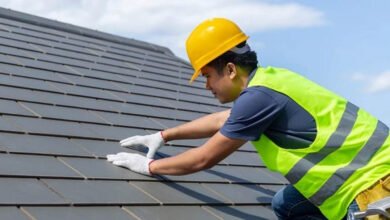
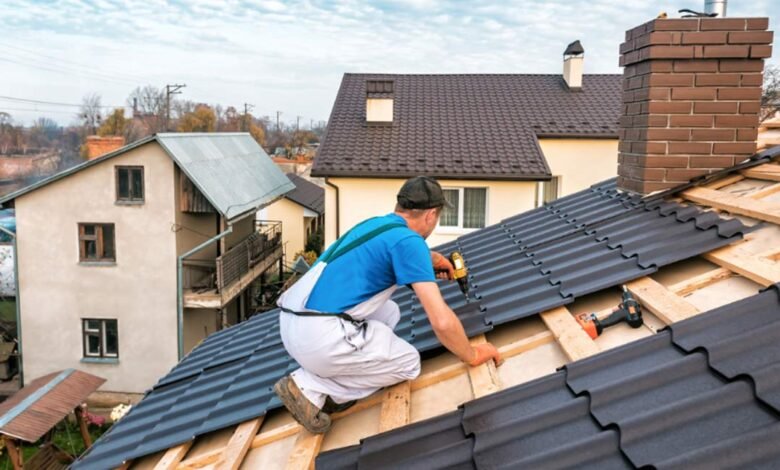
The quality of installation can have a major influence on the long-term performance of a roof. Even high-quality materials may not provide reliable protection if they are incorrectly installed. Professional roofing work requires careful preparation, accurate measurements, proper alignment, secure fastening, appropriate underlayment, correctly installed flashing, and effective water-management details. Each stage of the installation contributes to the finished system.Before a new roof is installed, the existing structure should be evaluated carefully. If the old roof has experienced leaks or moisture exposure, hidden damage may exist beneath the exterior material. Removing the old roof can reveal problems with decking, flashing, or other underlying components. Addressing these concerns before installing new materials can help create a stronger foundation for the finished roof. Professional contractors also understand that every home has different characteristics. Roof slope, valleys, penetrations, drainage patterns, attic conditions, and existing materials can all influence how the project should be completed.
The Importance of Roof Decking
The roof deck is a critical part of the roofing assembly because it supports the materials installed above it. If moisture has entered the roof over an extended period, sections of the decking may become weakened or deteriorated. This damage is not always visible from the exterior because it can remain hidden beneath shingles, underlayment, or other roofing materials.During a major repair or replacement project, contractors can inspect the exposed deck and identify areas that require attention. Installing new roofing material over damaged decking may hide the problem temporarily, but it does not restore the structural integrity of the affected area. Repairing or replacing damaged sections before continuing with the installation can help provide a more stable foundation for the new roof. A strong and properly prepared roof deck also supports correct fastening and allows other components to be installed more effectively.Homeowners should understand that discovering hidden damage during a roofing project does not necessarily mean that the contractor made an error during the initial inspection. Some conditions cannot be fully evaluated until existing materials are removed. Clear communication about potential hidden conditions can help property owners understand why additional work may sometimes become necessary.
Underlayment Provides an Important Layer of Protection
Underlayment is installed beneath the visible roofing material and helps provide an additional barrier against moisture. While the primary roof covering is designed to shed water, underlayment can provide supplemental protection when water reaches beneath the exterior surface. The appropriate type of underlayment depends on the roofing system, roof design, material selection, and installation requirements.Proper installation is especially important around roof edges, valleys, and other areas where water management requires additional attention. Underlayment must also be integrated correctly with flashing and other roofing components so that moisture can move away from vulnerable areas. A poorly installed underlayment layer may not provide the level of protection intended for the system.Although homeowners rarely see the underlayment after a roofing project is completed, it remains an important part of the overall assembly. Quality roofing work involves careful attention to both visible and hidden components because the materials underneath the roof covering contribute significantly to long-term protection.
Flashing Protects Critical Roof Transitions
Flashing is used to protect some of the most vulnerable areas of a roof. Chimneys, skylights, plumbing vents, walls, valleys, and other transitions create locations where water may enter if the materials are not properly detailed. Flashing helps direct water away from these areas and toward a safe drainage path.Over time, flashing can become loose, damaged, corroded, or separated from surrounding materials. Sealants may also deteriorate, creating additional opportunities for moisture intrusion. A roof can appear to be in good condition while a relatively small flashing defect allows water to enter beneath the exterior materials.Professional inspections should include a careful evaluation of flashing and other transitions. During replacement, damaged or outdated flashing may need to be repaired or replaced so that the new roof has reliable protection around vulnerable areas. Addressing these details during the installation process can help prevent future leaks and reduce the possibility of hidden moisture damage.
Proper Ventilation Supports Long-Term Roof Performance
Ventilation can influence conditions inside the attic and beneath the roof structure. Excessive heat and moisture can affect insulation, wood components, and other materials over time. A properly designed ventilation arrangement helps manage airflow by allowing air to enter through appropriate intake locations and exit through suitable exhaust areas.The exact ventilation requirements depend on the construction and design of the home. Roof shape, attic layout, insulation, air sealing, and existing ventilation components can all influence how air moves through the space. Simply adding more vents without understanding the overall airflow pattern may not solve an existing problem.A roofing project can provide an opportunity to evaluate attic conditions and determine whether ventilation improvements may be beneficial. Proper ventilation is not a substitute for quality installation or roofing materials, but it can support the overall performance of the roofing assembly. Considering ventilation as part of the complete system helps homeowners avoid focusing only on the exterior surface.
Managing Rainwater and Roof Drainage
Water management is one of the primary functions of any roof. Rainwater should move across the roofing surface and into appropriate drainage components without remaining in vulnerable areas. Roof slope, valleys, gutters, flashing, and downspouts all contribute to this process.Gutters require regular maintenance because leaves and debris can block the flow of water. When gutters overflow, water may affect fascia, soffits, siding, and areas surrounding the home. Downspouts should also be maintained so that collected water is directed away from the structure.Roof valleys deserve particular attention because they collect water from multiple roof sections. A large amount of water may move through these areas during heavy rainfall, making proper installation especially important. Damaged valley materials or accumulated debris can interfere with drainage and increase the possibility of water intrusion. A professional roofing inspection should therefore consider drainage as part of the complete evaluation.
Identifying Common Signs of Roofing Damage
Homeowners do not need to climb onto a roof to recognize that something may require professional attention. Several exterior and interior warning signs can indicate developing problems. Missing, cracked, lifted, or visibly deteriorated roofing materials may suggest that weather exposure or aging has affected the roof. Damaged flashing, loose components, sagging areas, or excessive debris may also justify an inspection.Inside the home, water stains on ceilings or walls can indicate that moisture has entered the building. Damp insulation, peeling paint, bubbling finishes, or unusual attic odors may also suggest the presence of a moisture-related problem. However, the location where damage becomes visible inside the home may not identify the exact point where water entered the roof.Water can travel along decking, framing, or other structural components before reaching an interior surface. For this reason, simply repairing a ceiling stain does not address the source of the problem. A professional evaluation can help determine where moisture is entering and which roofing component requires attention.
When Roof Repair Is the Right Solution
Not every roofing problem requires a complete replacement. When damage is limited and the majority of the roofing system remains in good condition, targeted repairs may provide an effective solution. Individual damaged shingles, localized flashing problems, minor storm damage, and isolated leaks can sometimes be repaired without removing the entire roof.The success of a repair depends on identifying the actual source of the problem. Covering a visible opening without evaluating the surrounding materials may allow moisture to continue affecting the underlying structure. A professional contractor should inspect the damaged area and determine whether the issue is isolated or part of a larger pattern of deterioration.Timely repairs can help prevent small concerns from becoming more serious. Moisture that remains beneath roofing materials for an extended period can affect the deck, insulation, framing, and interior finishes. Addressing problems early can help homeowners protect the existing roof and potentially extend its useful service life.
Knowing When Roof Replacement May Be Necessary
Roof replacement may become the better choice when an existing system has widespread deterioration, repeated leaks, extensive storm damage, or other conditions that make continued repairs impractical. The age of the roof is an important factor, but it should not be the only consideration. Installation quality, material condition, weather exposure, maintenance history, and previous repairs can all affect the decision.A professional inspection can help determine whether the damage is isolated or widespread. If replacement is recommended, the project can provide an opportunity to improve more than the visible roof covering. Contractors can inspect the deck, install new underlayment, address flashing concerns, evaluate ventilation, and improve drainage details where necessary.A comprehensive replacement project can therefore create a new foundation for long-term protection. Understanding the full scope of the work helps homeowners compare proposals and make decisions based on value rather than simply choosing the lowest initial price.
The Benefits of Routine Roof Maintenance
A roof should receive periodic attention even when there are no obvious signs of damage. Routine maintenance can help identify developing concerns before they become expensive repairs. Gutters and downspouts should be cleaned regularly, while leaves and other debris should not be allowed to remain on the roof for extended periods.Trees near the home should also be monitored. Branches can rub against roofing materials, while falling limbs can cause sudden damage during severe weather. After major storms, a professional inspection may help identify issues that are difficult to see from the ground.Maintenance should be appropriate for the specific roofing material. Aggressive cleaning methods or improper repairs can damage the roof rather than improve it. Property owners should follow professional recommendations and avoid unnecessary activities that could disturb the roofing system.
Improving the Appearance of a Home
A roof occupies a significant portion of a home’s exterior, making its appearance an important part of overall curb appeal. Worn, faded, damaged, or stained materials can affect the visual appearance of the entire property. A professionally installed new roof can refresh the exterior while also improving protection.Modern roofing materials are available in a wide variety of colors, textures, and profiles. Homeowners can choose options that complement siding, trim, windows, doors, and other architectural features. A carefully selected roof can help create a more balanced and attractive exterior.However, appearance should always be combined with performance considerations. The most attractive material may not be appropriate if it does not match the structural requirements or roof design of the home. A professional contractor can help property owners balance visual preferences with practical roofing needs.
Choosing the Right Roofing Contractor
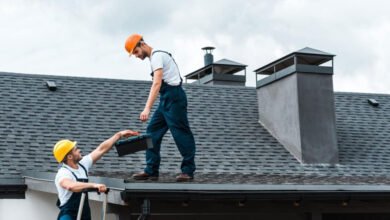
The contractor responsible for a roofing project can have a major influence on the final result. Homeowners should look for professionals who understand complete roofing assemblies and can explain why different materials and components are being recommended. An experienced contractor should evaluate the existing roof carefully and consider the condition of decking, underlayment, flashing, ventilation, and drainage.Clear communication is especially important because hidden conditions may be discovered after existing materials are removed. Damaged decking, deteriorated flashing, or moisture-related concerns may not become visible until work has already begun. A dependable contractor should explain these findings and provide practical recommendations before additional work is performed.When comparing contractors, homeowners should also look beyond the total project price. The scope of work, materials, installation practices, warranty information, communication, and overall experience can all affect the long-term value of the project. Choosing qualified professionals can help reduce the possibility of installation problems and improve confidence in the finished roof.
Planning a Smart Long-Term Roofing Investment
A roof should be considered a long-term investment in the protection and value of the property. While initial cost is important, homeowners should also consider material quality, installation methods, maintenance requirements, durability, and expected performance. Choosing the lowest-priced option without considering the complete scope of work can sometimes result in additional expenses later.Residential roofing projects should focus on the complete system and the specific needs of the home. Quality materials should be installed over a properly prepared structure, and vulnerable areas should receive careful attention. Effective ventilation and drainage should also be considered because these components influence the conditions surrounding the roof.Planning ahead can help homeowners avoid emergency decisions. Regular inspections and maintenance provide useful information about the current condition of the roof, making it easier to plan repairs or replacement before a major failure occurs.
Conclusion
A dependable roof is one of the most important systems protecting a home, and its performance depends on much more than the material visible from the ground. The roof deck, underlayment, flashing, ventilation, drainage, and exterior covering all work together to manage moisture and protect the structure. Residential roofing should therefore be approached as a complete system, with careful attention given to installation, maintenance, repairs, and replacement.Homeowners who arrange regular inspections and address damage promptly can often identify concerns before they become larger and more expensive problems. Localized repairs may help preserve a roof that remains in generally good condition, while a comprehensive replacement can provide a new foundation when deterioration has become widespread. Choosing appropriate materials and working with an experienced roofing professional can make a significant difference in the durability and performance of the finished project.With proper planning, professional workmanship, effective water management, suitable ventilation, and consistent maintenance, residential roofing can provide dependable protection for years while also supporting the appearance and long-term value of the property. A well-maintained roof is not simply an exterior improvement; it is an important investment in protecting the entire home and the people and belongings inside it.