From Training to Certification: Your Guide to Becoming a Professional Lifeguard

Becoming a lifeguard can be a good career choice for people who enjoy swimming and helping others. But strong swimming skills are not enough. You also need to know how to handle emergencies.
That is where proper training comes in. A good course teaches you how to watch swimmers, respond to danger, and help someone in need.
If you want to become a professional lifeguard, the first step is to understand the training and certification process.
What Does a Professional Lifeguard Do?
A lifeguard helps keep people safe in and around the water. The job needs focus and a strong sense of responsibility.
Daily duties may include:
- Watching swimmers.
- Spotting signs of danger.
- Helping people in trouble.
- Giving first aid.
- Responding to emergencies.
- Following safety rules.
Some days may be quiet. Other days can bring sudden emergencies. A lifeguard must stay alert in every situation.
Why Do You Need Lifeguard Certification?
A lifeguard must know what to do when someone needs help. Quick and correct action can make a real difference.
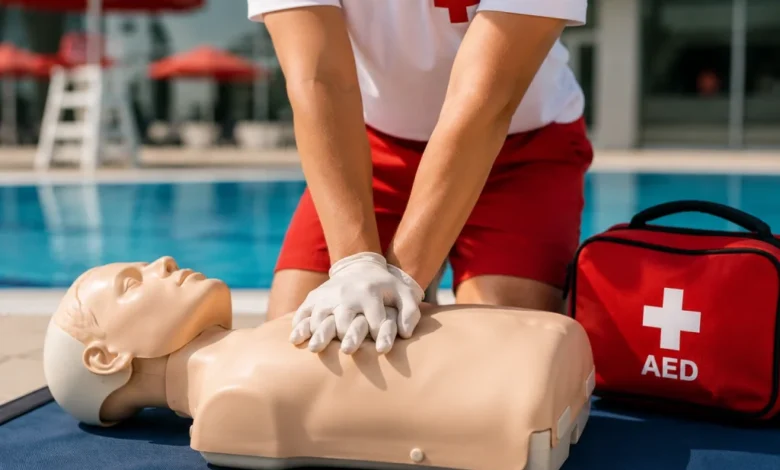
Lifeguard certification shows that you have completed the required training and assessments. It helps prepare you for common water emergencies. During training, you learn rescue skills, CPR, AED use, and basic first aid. These skills help you respond with more confidence.
The American Lifeguard Association offers training in lifeguarding, CPR/AED, and First Aid. Its programs help candidates build the knowledge needed for lifeguard duties.
Basic Lifeguard Course Requirements
Before joining a course, check the entry requirements. Candidates must meet certain age and swimming standards.
For the ALA lifeguard course, the basic requirements include:
- Be at least 15 years old by the end of the course.
- Swim 150 yards using front crawl or breaststroke.
- Tread water for two minutes without using your arms.
- Swim another 50 yards.
- Complete a timed brick test.
The brick test includes swimming to a 10-pound object, bringing it to the surface, and carrying it to the required point. These tests help check your swimming ability and basic water skills. Make sure you are comfortable in the water before starting the course.
What Do You Learn During Lifeguard Training?
A Lifeguard Training Program covers more than swimming. It helps you understand how to prevent accidents and respond when something goes wrong.
Training may cover:
- Water rescue methods.
- CPR and AED use.
- First aid basics.
- Pool safety.
- Emergency response.
- Swimmer observation.
Professional Lifeguard Training also helps you stay calm and make better decisions during difficult situations.
CPR, AED, and First Aid Skills
Medical emergencies can happen at any aquatic facility. A lifeguard should know how to respond while waiting for further help. CPR/AED Certification teaches important steps for responding to a person who is unresponsive or not breathing normally.
First Aid Training covers basic care for common injuries and emergencies. These skills are an important part of lifeguard preparation. You should take these lessons seriously. Regular practice can help you remember what to do when it matters.
How to Get Your Lifeguard Certification
The process is simple when you follow each step.
- Check your eligibility. Make sure you meet the age and swimming requirements.
- Choose a course. Find a training program that matches your needs.
- Complete the lessons. Study the course material and learn the key safety skills.
- Practice rescue skills. Take part in the required practical training.
- Complete the assessments. Pass the required tests to qualify for certification.
The ALA Lifeguard Certification program uses a blended learning format. This includes video instructor-led learning and required skill assessments. After completing the course requirements, successful candidates can receive their certification.
How Long Does Lifeguard Certification Last?
ALA lifeguarding, CPR/AED, and First Aid credentials are valid for two years after successful completion.
However, getting certified is not the end of learning. You should keep practicing your skills and stay familiar with current safety procedures. Some employers may also ask candidates to complete extra skill checks before starting work.
Where Can You Work as a Lifeguard?
Lifeguards can work in different places where people swim or take part in water activities.
Common workplaces include:
- Public and private swimming pools.
- Waterparks.
- Resorts and hotels.
- Schools and colleges.
- Fitness centers.
- Camps and community facilities.
Each workplace may have its own rules. Check the employer’s requirements before applying for a job.
Start Your Career With American Lifeguard Training
Choosing the right course is an important first step. Look at the course content, practical training, and certification details before making a decision.
American Lifeguard Training gives candidates a way to learn important lifeguarding and emergency response skills through ALA programs.
The American Lifeguard Association also provides information about its training and certification options. Review the course requirements so you know what to expect before you begin. With the right preparation, you can take your first step towards a lifeguarding career.
Conclusion
Becoming a lifeguard takes more than good swimming skills. You need proper training, practice, and the ability to respond to emergencies.
Start by checking the course requirements. Then choose a suitable training program and work on your practical skills.
A recognized Lifeguard Certification can help you prepare for the responsibilities of the job. Keep learning, stay alert, and take every safety duty seriously.
Frequently Asked Questions
- Do I need to know how to swim before joining lifeguard training?
Yes. You must meet the course swimming requirements and feel comfortable in the water.
2. What skills are taught in a lifeguard course?
Training covers water rescue, CPR, AED use, First Aid, and basic water safety.
3. How long is ALA lifeguard certification valid?
ALA lifeguarding, CPR/AED, and First Aid credentials are valid for two years after successful completion.
4. Can I complete lifeguard training online?
ALA offers a blended learning format with video instructor-led learning. Required practical skills and assessments are also part of the process.
5. Where can I work after getting certified?
You may apply for lifeguard jobs at pools, waterparks, resorts, schools, camps, and other aquatic facilities. Employers may have additional requirements.