
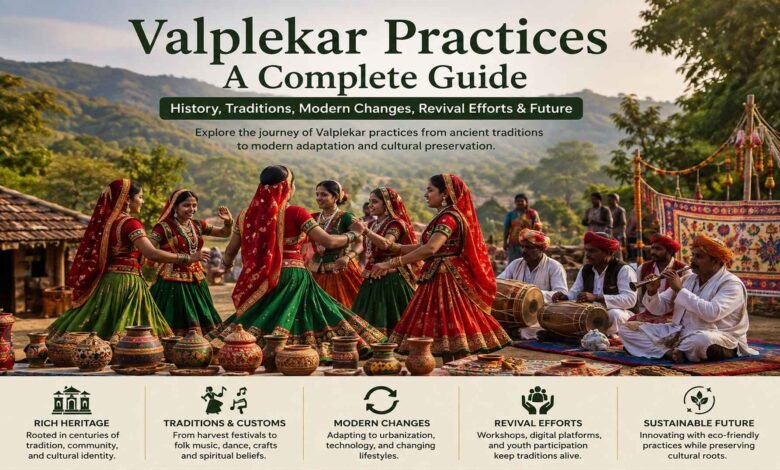

Valplekar is a term that can be confusing because different websites use it in very different ways. One online article describes Valplekar as a set of old cultural traditions involving family, farming, crafts, celebrations, and spiritual beliefs. However, that description does not provide a location, ethnic group, language, historical record, or named community to support those claims.
There is a clearer meaning in Swedish. Swedish pet-care sources use valplekar for games and playful activities with puppies. Purina Sweden, Arken Zoo, and Doggy all use the term in this way.
This article examines both uses carefully. It explains what the supplied cultural source claims while making clear which details can and cannot currently be verified.
What Is Valplekar?
In Swedish pet-care material, valplekar refers to games or playful activities involving puppies. It is not presented as a product, company, app, religion, or formal cultural system. Swedish sources place the term in sections about puppy care, training, exercise, and play.
Examples of valplekar include throwing and retrieving toys, gentle tug games, hiding treats or objects, teaching simple tricks, and playing with a puppy in safe ways. These activities can provide exercise, mental stimulation, and interaction between a puppy and its owner.
The source supplied for this article uses the word differently. It presents “Valplekar practices” as traditions followed by a community through generations. According to that article, these traditions involve farming, celebrations, music, crafts, spirituality, storytelling, and family life.
The difficulty is that the article does not identify where this community lives or provide historical evidence for it. For that reason, its cultural description should be treated as a reported online claim, not as confirmed cultural history.
The Meaning and Origins of Valplekar
The clearest documented use found during research comes from Swedish-language pet websites. Purina Sweden has a section titled “Valplekar” containing ideas and information related to playing with and training puppies. Doggy also uses “Valplekar” when discussing classic puppy games involving toys, retrieving, carrying objects, and similar activities.
This makes the puppy-play meaning much easier to support than the cultural interpretation.
The RawMags article describes Valplekar traditions as having deep historical roots, but it does not give a date, country, village, ethnic group, archaeological source, book, historian, or community organization supporting that history.
It is therefore not currently possible to establish when the supposed cultural practices began or where they originated. Readers should be careful with websites that describe a detailed history without providing information that allows the claims to be checked.
Early Valplekar Practices and Traditions
According to the supplied article, early Valplekar practices centered on family relationships and community participation. People supposedly took part in ceremonies together, while customs and practical knowledge moved from older generations to younger members.
The same source says these traditions formed part of everyday community life rather than existing only during major events. Family, work, spiritual ideas, craftsmanship, and celebrations are all presented as connected parts of the tradition.
These details describe a recognizable pattern of cultural transmission in general. UNESCO, for example, defines cultural traditions as practices, beliefs, and customs passed through generations within communities. However, that general definition does not confirm that the specific Valplekar community described by RawMags exists as presented.
No names of early Valplekar leaders, settlements, families, ceremonies, or historical periods are provided in the source. These gaps are important when judging the reliability of the claimed history.
Agriculture, Harvests, Music, and Celebrations
The cultural article says early Valplekar ceremonies were connected with farming and agricultural cycles. Harvest periods were reportedly marked by festivals intended to bring people together. Music and dancing are also described as important parts of these gatherings.
According to that account, agricultural life influenced when communities gathered and how they celebrated important seasonal changes. Such gatherings supposedly helped strengthen social connections while preserving traditions through participation.
However, the source does not give the name of a Valplekar harvest festival, describe a specific song or dance, identify crops involved, or explain where these ceremonies took place.
That means it would be inaccurate to describe these practices as confirmed historical events. They can only be presented as features attributed to Valplekar by the source currently available.
Traditional Crafts and Artisan Skills
Craftsmanship is another major part of the cultural description. The supplied source says practical and artistic skills were handed down from one generation to the next. Handmade objects reportedly combined usefulness with designs that reflected community identity.
This would make artisans important in preserving older knowledge because practical techniques often survive through direct teaching and repeated practice.
The article later claims that some artisans are teaching younger people through workshops. It suggests that these activities help prevent older skills from disappearing.
Once again, no particular craft is named. The source does not identify whether Valplekar artisans traditionally worked with wood, textiles, pottery, metal, leather, or another material. It also gives no named artisan group or workshop that can be independently checked.
Spiritual Beliefs, Marriage, and Folk Traditions
The source says spiritual beliefs were closely connected with everyday Valplekar life. These beliefs supposedly influenced farming decisions as well as important events such as marriage ceremonies.
Elders are also described as playing a role in preserving community knowledge. Folk stories were reportedly told to younger generations to keep memories alive and teach important values.
Oral storytelling is a common way cultures can pass knowledge between generations, but the specific Valplekar stories mentioned in the article are not identified. No gods, religious figures, ceremonies, prayers, marriage customs, folk tales, or spiritual teachings are named.
Readers should therefore avoid assuming that a detailed Valplekar belief system has been documented. The available source makes broad claims but provides little information that can be verified.
How Valplekar Practices Have Changed
In the cultural account, Valplekar traditions are said to have changed as communities moved away from lifestyles centered heavily on farming. Older ceremonies reportedly became adapted to modern schedules and social conditions.
The article describes this change as a mixture of old and new practices. Rather than disappearing completely, traditions are said to have taken different forms that younger generations may find easier to include in modern life.
That type of cultural change is possible in any community. Traditions can develop as technology, employment, migration, education, and family structures change. Still, there is currently no documented timeline showing when or how the claimed Valplekar traditions changed.
It is therefore better to understand this section as the source’s description of cultural adaptation rather than a verified chronology of Valplekar history.
How Modernization Has Affected Valplekar Traditions
The supplied article argues that modernization has created both opportunities and problems. Urbanization and modern lifestyles supposedly make some older practices harder to maintain, particularly when they require considerable time, materials, or community participation.
It also claims younger generations may prefer contemporary lifestyles over older customs. If knowledge is mainly held by elders and is not recorded or taught, some skills could disappear when those people are no longer able to pass them on.
Economic changes are presented as another challenge. Handmade goods and traditional processes can require more time than modern alternatives, which may make them difficult to continue when people depend on faster or cheaper methods.
These are reasonable preservation challenges for many traditional practices, but the source provides no population studies, interviews, surveys, or economic data specifically showing their effect on a Valplekar community.
Social Media and Technology
The cultural source says technology has created new ways to share knowledge. Practitioners are reportedly using online platforms to display traditional art, connect with wider audiences, and introduce younger people to older practices.
Social media could also make it easier to document crafts, performances, stories, or teaching methods that might otherwise remain limited to a small local group. Digital material can be shared across long distances and preserved for future reference.
The source also raises a possible drawback. When traditions are promoted commercially online, complex cultural practices can sometimes be simplified or presented mainly as products or entertainment.
However, no Valplekar social media account, cultural organization, digital archive, artist, or preservation project is named in the available article. The claim that digital platforms are actively preserving a specific Valplekar culture therefore remains unverified.
This is where the first part of the topic reaches an important divide. The supplied article describes a culture responding to modernization, while independently searchable Swedish sources point to a much clearer meaning of valplekar: games and activities for puppies. The next part will examine preservation claims, supposed revival efforts, modern adaptations, and what can actually be established about the term.
Challenges in Preserving Valplekar Practices
The cultural article describes several problems that may make Valplekar traditions difficult to preserve. One of the main issues is the gap between older and younger generations. If younger people do not learn traditional skills, stories, or customs, that knowledge can disappear over time.
Urbanization may also affect cultural participation. People who move away from small communities for work or education often have less contact with older local customs. Traditional activities can become harder to organize when families and community members live in different places.
Economic pressure is another reported problem. Handmade crafts and long ceremonies may require more time and money than modern alternatives. People may choose faster or cheaper options, even when traditional methods have cultural value.
The source also mentions globalization. Music, clothing, entertainment, technology, and other outside influences can change local interests. This does not always destroy traditions, but it may influence how they are practiced.
A major difficulty with these claims is the lack of specific evidence about a Valplekar community. The source does not provide interviews, population data, community records, or named cultural organizations. These preservation problems should therefore be understood as reported concerns rather than confirmed findings about a clearly documented group.
Revival and Preservation Efforts
The supplied article says some communities have started efforts to keep Valplekar practices alive. One example describes artisans teaching younger people traditional skills through workshops.
These workshops are said to help younger participants learn practical techniques while also understanding the cultural meaning behind them. Community events are also described as places where older and younger people can share knowledge.
Digital platforms are another part of the reported revival. Artists are said to post traditional work online, where it can reach people who may not have direct access to local cultural activities.
The article also suggests that social media can help create interest in handmade products and cultural practices. This may give artisans new audiences and possible economic support.
However, these examples are not linked to named villages, organizations, workshops, artisans, websites, or cultural programs. That makes them difficult to verify. They should not be treated as documented preservation projects without stronger sources.
Valplekar Traditions in the Modern World
If the cultural use of Valplekar described by the source is accurate, its future would likely depend on balancing older customs with modern life.
Cultural traditions often change as communities change. Younger people may keep the basic meaning of a custom while changing how, when, or where it is practiced. Music, clothing, crafts, communication, and ceremonies can all take new forms.
The supplied article presents this process as adaptation rather than complete replacement. Traditional skills may be taught through modern workshops. Art may be shared through social media. Older designs may also be used in newer creative work.
Collaboration with contemporary artists is another idea mentioned in the source. This could help traditional designs or techniques reach different audiences while keeping some connection with their original form.
The important issue is context. Modern versions of a cultural practice can be useful for preservation, but they should not be presented as historically authentic unless their connection to older traditions can be shown.
Sustainability and the Future of Valplekar Practices
The source suggests that sustainability may become part of the future of Valplekar practices. This includes using environmentally friendly materials and methods when creating traditional crafts.
In general, sustainable cultural preservation can involve using local materials responsibly, reducing waste, teaching repair skills, and protecting resources that traditional crafts depend on.
Digital documentation can also support preservation. Videos, photographs, written records, interviews, and online archives can help record techniques that might otherwise be lost.
Teaching remains equally important. A cultural practice stays active when people continue to understand and use it. Recording traditions is helpful, but recordings alone do not replace people who know how to perform, explain, or teach them.
For Valplekar specifically, these ideas remain largely theoretical because reliable information about the supposed cultural community is limited. More direct evidence would be needed before describing any specific sustainability program as part of Valplekar culture.
What Is Actually Known About Valplekar?
This is the most important question in the article.
The strongest verifiable use of the word valplekar appears in Swedish. In Swedish pet-care content, the term is used for games and activities involving puppies. These may include retrieving toys, tug games, hiding objects, basic training games, and other forms of safe play.
This meaning fits ordinary Swedish usage and appears across established pet-care websites.
The cultural meaning presented in the supplied article is much harder to verify. That article describes Valplekar as a traditional community culture involving agriculture, harvest festivals, music, dance, craftsmanship, spiritual beliefs, marriage customs, storytelling, and generational knowledge.
However, several important details are missing. No country is identified. No language is connected with the alleged community. No population information is given. No historical period is named. No festival, ritual, story, village, artisan group, cultural organization, or academic source is identified.
This does not automatically prove that every cultural claim is false. It means the available evidence is too weak to present those claims as established history.
Readers should therefore separate two different things:
The Swedish use of valplekar for puppy games is supported by clear usage.
The idea of Valplekar practices as a named cultural tradition is currently supported mainly by broad online descriptions that lack detailed sourcing.
This difference matters because repeating unsupported information can turn an uncertain claim into something that appears factual simply because it appears on several websites.
Bottom Line
Valplekar has more than one meaning online, but the meanings are not equally well supported.
The clearest verified use comes from Swedish pet-care material, where valplekar refers to puppy games and playful activities. These can include retrieving, tugging, hiding objects, simple training, and other activities that give puppies exercise and mental stimulation.
A separate online article describes Valplekar as a cultural tradition based on family, agriculture, festivals, crafts, spirituality, storytelling, and community life. It also discusses modernization, urbanization, social media, cultural preservation, and artisan workshops.
The problem is that this cultural account does not identify a specific community or provide enough historical evidence to confirm its claims.
For that reason, readers should treat the cultural description carefully. Until stronger sources are available, it is more accurate to describe those details as reported claims rather than confirmed Valplekar history.
(FAQs)
What is Valplekar?
Valplekar is a Swedish term commonly used in pet-care content for puppy games or playful activities. Examples can include fetching, tug games, hiding treats, training games, and other safe activities for young dogs.
Some websites also use Valplekar as the name of a cultural tradition, but that interpretation is not well documented in the available sources.
What does Valplekar mean?
In a clearly verifiable Swedish context, valplekar relates to games played with puppies.
Online articles may give the term other meanings, including a supposed traditional cultural practice. Those claims should be checked carefully because detailed historical evidence is currently limited.
Where did Valplekar originate?
A documented geographic origin for a separate Valplekar cultural community has not been established from the sources reviewed.
The word itself appears in Swedish pet-care material. Claims about ancient Valplekar cultural origins do not currently include a clearly identified country, village, language, or historical period.
What are traditional Valplekar practices?
One online source claims that traditional Valplekar practices include agricultural celebrations, harvest festivals, music, dance, handicrafts, spiritual beliefs, marriage customs, family activities, and storytelling.
These details are source-reported claims. The article does not provide specific festival names, rituals, locations, historical documents, or cultural organizations that independently confirm them.
Are Valplekar traditions still practiced today?
The cultural source says that some Valplekar practices continue in adapted forms and that artisans and communities are trying to preserve them.
However, it does not identify the people, communities, or organizations involved. There is therefore not enough evidence to confirm how widely such traditions are practiced today.
How has modernization affected Valplekar practices?
According to the supplied cultural article, urbanization, economic pressure, technology, changing lifestyles, and globalization have influenced older practices.
The same source says technology and social media may also help preserve traditions by allowing people to share crafts and knowledge online. These claims have not been supported with specific studies or named projects.
Affordable Digital Marketing with Garage2Global: SEO, PPC, Social Media, and More
What Is Repmold? A Complete Guide to Digital Molding and Prototyping


2 Comments