How Artificial Intelligence Is Creating New Opportunities for Digital Innovation

Artificial intelligence is becoming a powerful force behind technological innovation. Across industries, businesses are discovering new ways to use intelligent systems to improve productivity, simplify operations, and develop better digital experiences. From automated communication to advanced multimedia production, AI is changing how people interact with technology and approach everyday creative tasks.
The digital content industry is experiencing particularly significant changes. As audiences increasingly consume visual information through websites and social media, creators need efficient ways to produce and distribute engaging material. Artificial intelligence is helping make these processes more accessible and flexible.
The Expansion of Generative AI Technology
Generative AI has introduced a different approach to digital creation. Instead of relying entirely on manual production, users can provide instructions and explore content generated through intelligent models.
These technologies are being applied to image creation, animation, video production, and other creative activities. They also encourage experimentation by allowing users to explore different concepts without starting every project from scratch.
MAGI 2 is an interesting keyword in the broader conversation surrounding generative AI innovation. The continued development of advanced AI technologies reflects the growing interest in systems that can support increasingly sophisticated creative workflows.
As these capabilities improve, creators may find new opportunities to combine automated production with their own artistic direction.
Making Digital Video Production More Efficient
Video production involves several important stages, including planning, scene arrangement, editing, and final optimization. Each stage contributes to the quality of the finished content.
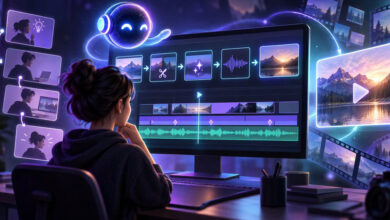
AI-powered applications are helping simplify these activities through automated editing assistance and intelligent visual adjustments.
Creators can use these capabilities to improve footage, experiment with different presentations, and reduce repetitive tasks. This is especially beneficial for professionals who regularly produce videos for marketing campaigns, educational platforms, and social media.
The Importance of Flexible Video Formatting
A successful video marketing strategy often requires publishing content across multiple platforms. However, different platforms have different display requirements, making video formatting an important consideration.
An AI video resizer can help creators adjust existing footage to match different screen dimensions and aspect ratios. For instance, a horizontal video can be converted into a vertical format for mobile audiences or adapted into a square version for social media feeds.
This technology helps reduce the time required to prepare separate video versions.
Some practical benefits include:
- Multiple aspect ratios: Adapt content for different platform requirements.
- Improved framing: Keep important subjects visible after resizing.
- Time savings: Reduce repetitive manual formatting tasks.
- Content flexibility: Repurpose existing footage for new campaigns.
- Consistent presentation: Maintain a recognizable visual identity across channels.
These capabilities are valuable for both individual creators and businesses managing large content libraries.
How AI Is Influencing Digital Marketing Strategies
Digital marketing increasingly relies on creative and informative content to attract attention. Businesses use videos to explain services, demonstrate products, introduce campaigns, and communicate their brand values.
Artificial intelligence can help marketing teams develop these materials more efficiently.
For example, a business can explore different visual concepts, prepare promotional footage, and use an AI video resizer to create versions for various online platforms.
Generative technologies also provide opportunities to experiment with creative approaches and develop fresh ideas for future campaigns.
Combining Automation with Creative Thinking
One common misconception about artificial intelligence is that automation can replace the entire creative process. In reality, human involvement remains essential for producing meaningful and effective digital content.
AI-generated visuals may require additional editing, while automated formatting can sometimes produce compositions that need manual correction.
Creators must evaluate their results, maintain visual consistency, and ensure that their content communicates the intended message.
The best results often come from combining AI-powered efficiency with human imagination, experience, and creative judgment.
Challenges and Responsible Technology Adoption
Like other emerging technologies, artificial intelligence comes with certain limitations. Generated content may contain inaccurate information or inconsistent visual details. Businesses must also consider copyright, licensing, privacy, and transparency when using AI-powered applications.
Establishing proper review procedures can help organizations maintain quality while benefiting from automation.
Understanding the strengths and limitations of AI is important for making informed decisions about its use in professional environments.
Looking Ahead: The Future of AI Innovation
The future of artificial intelligence will likely involve more connected creative applications, improved generative models, and advanced automation capabilities.
Technologies associated with MAGI 2 and other generative AI developments demonstrate the continuing interest in expanding what intelligent systems can accomplish.
At the same time, practical applications such as an AI video resizer will remain important for helping creators manage content across an increasingly diverse digital landscape.
As these technologies mature, businesses and individuals will have more opportunities to develop creative projects with greater efficiency and flexibility.
Conclusion
Artificial intelligence is transforming digital innovation by simplifying creative workflows and introducing new possibilities for content production. Generative AI developments such as MAGI 2 highlight the growing potential of intelligent technologies, while an AI video resizer helps creators adapt their visual content for different platforms and audiences.
By combining technological progress with human creativity and responsible practices, businesses and independent creators can develop more effective digital strategies and prepare for the future of online communication.