How Does Medical Facility Cleaning Help Maintain Cleaner High-Touch Surfaces in Patient Care Areas?

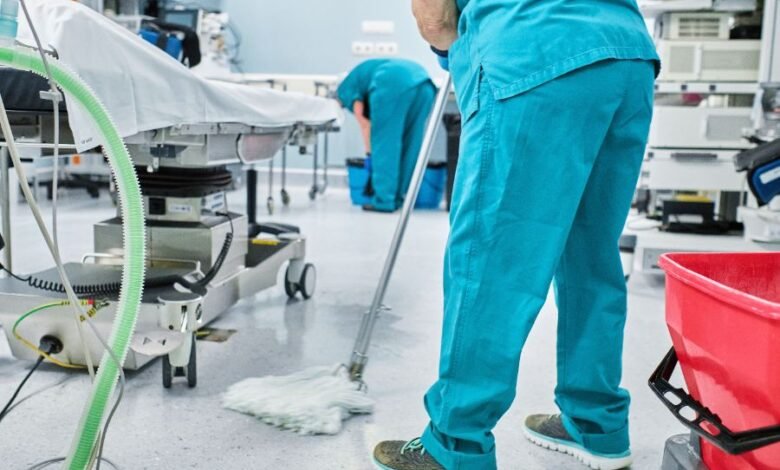
Patient care areas include many surfaces that patients, clinicians, visitors, and support staff touch repeatedly throughout the day. Bed rails, door handles, tap handles, bedside tables, light switches, chairs, counters, and shared equipment can quickly collect visible soil and microorganisms through routine activity. Keeping these areas clean requires more than occasional general cleaning because contact frequency differs greatly from one surface to another. Medical facility cleaning uses planned routines, appropriate cleaning methods, suitable products, and documented schedules to give frequently handled surfaces greater attention. This structured approach supports a cleaner, safer, and more orderly environment for healthcare delivery.
Cleaning Priorities Follow Surface Use
-
High Touch Points Require More Frequent Cleaning Attention
High-touch surfaces differ from walls, ceilings, and other areas people rarely handle because repeated contact increases the opportunity for contamination. NSW Health specifically identifies items such as bed rails, trolleys, commodes, door handles, light switches, and tap handles as surfaces that require more frequent cleaning than low-touch areas. Facilities considering medical facility cleaning in Sydney from ACC can therefore benefit from routines that prioritise surfaces according to how often patients, staff, carers, and visitors interact with them. Rather than treating every surface the same way, cleaning teams can focus on the areas with the most contact. This approach can include patient room fixtures, reception counters, clinical work surfaces, handrails, chair arms, and commonly handled controls. Risk-based scheduling also helps cleaning resources follow real activity patterns, especially in high-traffic areas where contact may increase considerably during busy periods. Consistent attention to these locations supports broader infection prevention practices without assuming every part of the facility requires the same level of cleaning.
-
Structured Cleaning Methods Support More Consistent Results
Maintaining cleaner patient care surfaces depends not only on frequency but also on how staff clean. Healthcare cleaning procedures define which products to use, how to wipe surfaces, how to manage cloths and equipment, and when additional disinfection is appropriate. NSW guidance states that routine environmental cleaning generally uses detergent and water, while disinfectants may be required in higher risk circumstances, outbreak situations, or particular clinical conditions. Clear procedures help reduce variation between shifts and cleaning staff because each person follows an established process rather than relying on individual habits. This consistency matters around patient care areas where several surfaces may need attention within a limited period. A defined sequence can also help prevent already cleaned surfaces from being unnecessarily recontaminated during the same task; training, supervision, and clear responsibilities further support reliable implementation. Standardised cleaning methods give facilities a more predictable approach to maintaining high-touch areas across rooms, treatment spaces, waiting areas, and shared clinical environments.
-
Cleaning Frequencies Can Reflect Patient and Area Risk
Not every patient care area presents the same environmental cleaning demands. A general consultation room may have a different level of activity than an emergency treatment area, isolation space, procedure room, or high-traffic waiting zone. Healthcare cleaning therefore benefits from schedules that consider contamination likelihood, patient vulnerability, activity levels, and the type of care being delivered. NSW Health uses a risk management framework for environmental cleaning. At the same time, national standards also require organisations to maintain clean, hygienic environments through appropriate cleaning, disinfection, training, and auditing processes. This allows cleaning frequency to increase where conditions justify greater attention rather than applying one timetable indiscriminately across an entire building. For example, heavily handled patient room surfaces may need more frequent attention than low-contact architectural surfaces. Adjusting schedules according to actual risk can also help facilities respond when patient turnover increases or when certain rooms experience unusually high use. A flexible cleaning plan keeps environmental care connected to what is happening in the facility each day.
-
Auditing Helps Identify Missed or Inconsistent Cleaning Areas
Even a detailed cleaning schedule needs monitoring to ensure staff complete procedures consistently. Auditing can help healthcare organisations identify high-touch points that are regularly missed, rooms where cleaning frequency doesn’t match activity, or processes that need clearer instructions. Australian healthcare standards call for organisations to audit cleaning effectiveness and compliance with environmental cleaning policies, then use those findings to improve cleaning processes. This creates a useful feedback loop rather than treating cleaning as a task that ends once a room appears tidy. Supervisors can compare documented routines with actual conditions, review whether frequently handled surfaces receive appropriate attention, and adjust training when recurring gaps appear. Auditing can also reveal changes in how spaces are used. A counter that once received little contact may become a frequently handled surface after workflow changes, while new equipment may introduce additional touch points. Regular review lets the cleaning program evolve with patient care activities instead of staying fixed while the facility changes around it.
Cleaner Touch Points Support Better Patient Care Environments
Medical facility cleaning helps keep high-touch surfaces clean by combining frequent attention, structured procedures, risk-based scheduling, and ongoing review. Patient care areas contain numerous fixtures and objects that are handled repeatedly, so cleaning programs need to distinguish these surfaces from areas that receive little direct contact. Clear methods help staff work consistently, while risk-based frequencies allow greater attention where patient activity and environmental demands are higher. Auditing provides another layer of control by identifying missed surfaces and opportunities for improvement. Together, these practices support a cleaner healthcare environment and help environmental hygiene remain aligned with everyday patient care activities.