Packaging Choices That Help Troy, New York Bakeries Protect Quality and Reduce Waste

For bakeries in Troy, New York, packaging is part of the product experience. A customer may carry a birthday cake across town, bring pastries to an office gathering, or pick up bread before heading home. Well-chosen bakery boxes can help keep those items stable, clean, and presentable from the counter to the customer’s table.
The best package is not necessarily the one with the lowest per-unit price or the most material. It is the one that provides baked goods with appropriate protection without making packaging, carrying, or disposal unnecessarily complicated. Bakeries can make more confident choices by considering the entire path an order takes after it leaves the kitchen.
Why Bakery Packaging Deserves More Attention
A package does much more than hold a cookie, loaf, or cake. It can limit crushing, prevent toppings from contacting the lid, reduce handling exposure, and give customers a clear view of what they are purchasing. A box that performs well on a display shelf may not perform as well during a car ride, so packaging decisions should account for pickup and transport.
In the Capital Region, seasonal weather can also affect how products travel. Cold temperatures, humidity, rain, and warm vehicles can all influence how a package feels in a customer’s hands and how a product arrives. Testing packaging under ordinary operating conditions is more useful than judging it only while it is empty or stacked in storage.
Bakery teams that also prepare grab-and-go foods can create a more coordinated supply plan by reviewing restaurant, fast food, & convenience store supplies alongside their bakery packaging needs. Similar questions apply across product types: Will the container close securely, protect the food, fit the order, and remain manageable during a busy service period?
Match the Package to the Product
One box style cannot serve every baked good equally well. The right choice depends on the item’s height, weight, moisture level, finish, temperature, and expected travel time. A package should give the food enough room to avoid damage while limiting unnecessary space that can allow it to shift.
- Cakes: Need a stable base, adequate height, and clearance above decorations.
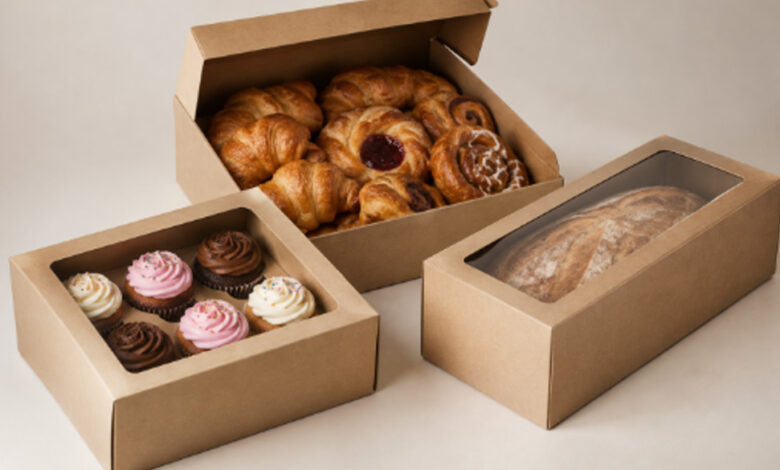
- Cupcakes: Benefit from inserts or compartments that help keep them upright and separated.
- Cookies: Need protection from crushing, especially when stacked or sold in bulk.
- Breads: May require a package that balances product protection with the recipe’s preferred crust and moisture characteristics.
- Pastries: Need structure that protects flaky layers, glazes, fillings, and fragile toppings.
A useful starting point is to place the finished product, including any liner or label, into a sample package. Check whether the lid closes without touching the food, whether the item slides when tilted, and whether a customer can carry it comfortably. These basic checks can prevent avoidable rework during service.
Protect Freshness Without Overpacking
Bakery packaging should be matched to the product’s intended holding time. A crisp item can lose its texture when moisture is trapped, while a soft item may dry out if the package offers too little protection. The goal is not to seal every product as tightly as possible. The goal is to use a package that supports the product’s quality for the period in which it will reasonably be sold, transported, and eaten.
Run practical comparisons before making a large purchase. Pack the same item in two or three options, then inspect the texture, aroma, appearance, and condition after normal holding times. Include a transport test, especially for frosted, filled, or stacked products. Small trials can reveal issues with condensation, shifting, bent corners, or lids that rub against toppings.
Use Presentation to Set Clear Expectations
Customers often form an impression before the first bite. A clean box, secure closure, and appropriately sized window can help a product look carefully prepared and easy to carry. Presentation should support actual quality, however. A clear panel is useful only when it does not make the package weaker or expose the product to damage.
Helpful presentation features may include:
- Windows that show the product while leaving enough structure around the box.
- Closures that remain secure when the package is lifted from the bottom.
- Interior space for toppings, labels, and inserts without crowding the food.
- Neutral, uncluttered surfaces that allow the baked item to remain the visual focus.
Design for Pickup, Delivery, and Carrying
Packages should be evaluated beyond the bakery counter. Cakes can slide if the base is too large. Pastries can shift into one another. Boxes can bend when heavier orders are stacked on top. Staff can simulate the customer experience by packing a finished order, carrying it through the shop, placing it on a vehicle seat, and checking the result after a short trip.
- Pack the item exactly as it would be handed to a customer.
- Lift and carry it using the normal service routine.
- Test reasonable tilting, stacking, and vehicle placement.
- Inspect for movement, crushed edges, leaks, or contact with the lid.
- Adjust the box size, insert, closure, or packing method as needed.
Balance Waste Reduction With Product Protection
Using less material can be a worthwhile objective, but a weak package that leads to damaged or discarded food does not solve the waste problem. Right-sizing is often a practical first step. Choose a package that closely fits the product, remove filler that serves no clear purpose, and standardize sizes only when those sizes safely work for multiple items.
New York bakeries should also keep packaging rules in mind when reviewing options. The state restricts many disposable food-service containers made from expanded polystyrene foam, as described in the New York State guidance on foam food-service containers. Disposal instructions should be clear and realistic because material acceptance can vary by local recycling program.
Make Packaging Easier for Staff
A package that is difficult to fold, close, label, or store can slow service when orders build up. Staff should be able to identify the correct size quickly and complete packing without repeated adjustments. Grouping similar box sizes, using clear internal labels, and establishing a consistent packing sequence can reduce confusion.
Review packaging performance regularly by tracking packing time, damaged products, commonly used sizes, storage space, and customer feedback. These observations help a bakery compare the true working cost of each option rather than focusing only on its purchase price.
Common Questions About Bakery Packaging
Should every bakery product use the same package?
No. Standard sizes can simplify ordering and storage, but delicate, decorated, oversized, or temperature-sensitive items may need a more specific package.
Are clear windows always the best choice?
Not always. A window can improve visibility, but the package still needs sufficient structure, a secure closure, and protection suited to the food inside.
What is the best way to test new packaging?
Use real products under normal conditions. Test assembly, labeling, holding time, pickup, carrying, stacking, and short-distance transport before adopting a new format.
Conclusion
Thoughtful bakery packaging supports quality long after an item leaves the oven or display case. For Troy bakeries, the strongest choice is one that protects the product, presents it neatly, works efficiently for staff, and avoids unnecessary material. By testing packaging under real-world conditions and reviewing fit, function, and waste together, bakeries can help ensure each order arrives as intended.