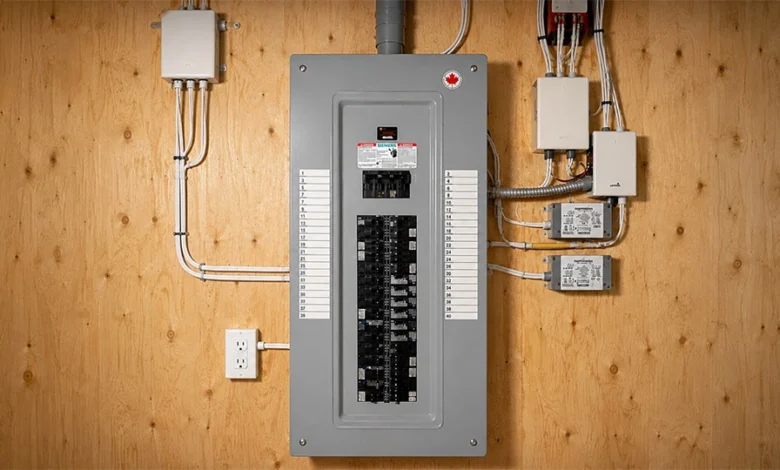

Adding an EV charger, hot tub, heat pump, or induction range can push a home’s electrical system past what it was designed to handle. The right path is not always obvious: should you add a subpanel or replace the existing service panel and possibly increase the service size? This decision affects safety, reliability, and future flexibility. Here is a practical way to think through capacity, locations, wiring methods, and code details before the first conduit is run or the first breaker is installed.
-
Start With a Load Calculation, Not Guesswork
A National Electrical Code style load calculation looks at your service size and major appliances to estimate demand on the main breaker and bus. A 50 amp EV charger, a 40 amp range, and a 30 amp heat pump are sizeable additions that can tip a 100 amp service into overload territory. Continuous loads are typically counted at 125 percent, and certain appliances are demand diversified, which affects the result. For a plain language overview of projects that often drive these choices, you can see service options from Sarkinen Electrical and then discuss specifics with a licensed electrician who can run a formal calculation.
Two quick indicators suggest you should pause before adding breakers to a crowded box: frequent nuisance tripping under normal use, and a panel directory full of double stuffed or undocumented circuits. Main breaker rating, bus rating, and the conductor size feeding the panel all have to align. If the service conductors, meter base, or service mast are undersized or deteriorated, that points toward a full service upgrade rather than shoehorning in another circuit.
-
When a Subpanel Makes Sense
A subpanel is a good fit when the existing main panel has adequate capacity on paper but lacks physical spaces, or when new loads are far from the main panel. A feeder breaker in the main panel supplies the subpanel over a four wire feeder with two hots, an insulated neutral, and an equipment grounding conductor. In the subpanel, neutral and ground must be isolated, which means removing the bonding screw or strap and using separate neutral and ground bars. In a garage EV scenario, a 60 amp subpanel can provide a 240 volt EV circuit plus future space for a dust collector and air compressor without snaking multiple long home runs back to the main panel.
Distance and environment drive wiring method and conductor size. A detached workshop might use buried PVC conduit with individual THWN conductors to control voltage drop over a long run, while an attached garage subpanel could be served with EMT on the surface to preserve wall cavities. Outdoor subpanels need NEMA 3R enclosures, and damp locations call for fittings that keep moisture out. A common mistake is landing neutrals and grounds together in a subpanel, which creates a parallel return path and shock hazards on bonded metal parts. Proper isolation and termination to torque specifications fix this.
-
When a Full Service or Panel Upgrade Is the Safer Choice
If the main panel is obsolete, damaged, or loaded close to its rating after a proper calculation, upgrading to a modern 200 amp panel and, when required, larger service conductors is often the better route. Warning signs include brittle insulation on feeders, overheated or discolored bus stabs, repeated use of non listed tandem breakers to create more spaces, and double lugged neutrals crammed under a single screw. Some legacy breaker designs also have known reliability problems. A complete upgrade replaces the panel, updates the grounding electrode system, and may include a new meter base and service mast so the utility can safely reconnect.
There is a trade off. A subpanel is usually faster to install and may avoid a utility shutdown, but it does not increase the total ampacity of the service and can box you in when the next large appliance comes along. A full upgrade requires permits, coordination with the power company, and a scheduled outage, but it provides headroom for an EV charger, heat pump, hot tub, and future circuits without creative workarounds. In kitchens where an induction range and wall oven are planned, that future proofing can prevent repetitive tripping and individual wire fixes later.
-
Placement, Wiring Method, and Protection Details That Avoid Headaches
Location matters. Panels and subpanels need clear working space: typically 30 inches wide and 36 inches deep, with no storage in that footprint. Avoid closets and bathrooms, and keep equipment off exterior walls prone to splash if the enclosure is not rated for it. Choose wiring methods that match the setting. EMT provides durable protection in a garage where bikes and lawn tools share space. PVC and THWN work well for underground feeders to a shed. SE cable is acceptable for certain service entrance runs. Conductor size and material change with amperage and distance, and long runs may require upsizing conductors to control voltage drop.
Protection types should match the room and the circuit. Garages and outdoor outlets generally require GFCI protection, while many living areas need AFCI. You can achieve this at the breaker or the first receptacle, but mixing methods can create nuisance trips if not planned carefully. Multi wire branch circuits supplying kitchen small appliance outlets must use tied two pole breakers so a shared neutral is protected correctly. In subpanels, keep neutrals isolated and land equipment grounds on a bonded ground bar. For detached structures with feeders, a local grounding electrode system is typically required, even with a four wire feeder and isolated neutral.
Permits, Inspection, and What Happens After the Work
Both a subpanel and a service upgrade typically require permits and inspections. For service upgrades, the utility will need advance notice to pull the meter and reconnect after the inspector signs off. Plan for an outage window and protect sensitive electronics. Label every circuit in the panel directory while walls are open and devices are still easy to trace. After energizing, test GFCI and AFCI devices, verify that all lugs are torqued to the manufacturer’s specifications, and check that bonding jumpers for metal water piping are present and secure.
A little aftercare keeps the system reliable. Once or twice a year, open the panel cover only if you are qualified, or have an electrician look for signs of overheating like browning around breakers, a persistent buzz, or corrosion at lugs. Keep the 36 inch clearance in front of the panel free of storage. When you add new loads later, update the directory immediately, and revisit the load calculation if you are considering another major 240 volt appliance. With clear capacity planning and attention to placement, wiring, and protection details, you will spend more time using your new equipment and less time resetting breakers.