Sprinkler System Not Working Properly? Common Problems That May Require Professional Irrigation Repair

A properly functioning irrigation system plays an important role in maintaining healthy lawns, gardens, flower beds, and landscaped areas. Sprinklers are designed to distribute water across specific zones, providing plants and grass with the moisture they need without requiring constant manual watering. However, like any mechanical system, irrigation equipment can develop problems over time. Broken sprinkler heads, clogged nozzles, leaking pipes, malfunctioning valves, electrical issues, poor water pressure, and incorrect controller settings can all affect performance. When these problems are ignored, they can result in dry patches, oversaturated areas, wasted water, and unnecessary operating costs.
Understanding the basics of sprinkler maintenance and recognizing early warning signs can help property owners protect their landscapes and avoid more extensive problems. Some issues are relatively simple, such as a clogged nozzle or incorrectly positioned sprinkler head, while others may involve underground pipes, control valves, wiring, or pressure problems that require specialized tools and experience. Timely sprinkler system repair can restore proper water distribution and prevent a small malfunction from developing into a larger irrigation problem. Regular inspections are equally important because some leaks and component failures may not be immediately visible.
Understanding How an Irrigation System Works
A typical automatic irrigation system consists of several interconnected components that work together to deliver water to specific areas. These may include a water supply connection, backflow prevention equipment, control valves, underground pipes, sprinkler heads, nozzles, a controller, and electrical wiring. Each irrigation zone is normally controlled by a valve that opens when the controller sends an electrical signal. Once the valve opens, pressurized water travels through the pipes and reaches the sprinkler heads assigned to that zone.
The sprinkler heads then distribute water according to their design. Some heads produce a fixed spray pattern, while others rotate to cover larger areas. The type of sprinkler, nozzle size, water pressure, spacing, and landscape layout all influence how evenly water is distributed. If one component is damaged or incorrectly configured, the effect can extend beyond a single sprinkler. For example, a damaged pipe can reduce pressure throughout an entire zone, while a clogged nozzle may affect only one area.
A controller or timer determines when each zone operates and for how long. Modern controllers may include rain sensors, soil-moisture sensors, weather-based programming, or remote controls. These features can improve water management, but they also introduce additional components that may require troubleshooting when the system behaves unexpectedly.
Common Signs of Sprinkler Problems
The landscape itself can provide valuable clues about irrigation performance. Dry or brown patches may indicate that a sprinkler head is clogged, damaged, misaligned, or failing to provide adequate coverage. However, dry areas can also result from low water pressure, incorrect nozzle selection, poor sprinkler spacing, or a zone that is not receiving enough operating time. Looking at the entire zone rather than focusing on one dry patch can make it easier to identify the actual cause.
Soggy areas are another important warning sign. A persistently wet or muddy section may indicate an underground pipe leak, damaged fitting, or valve that is allowing water to pass when the zone should be off. Research on residential irrigation systems notes that underground leaks can sometimes be identified through unusually wet areas, water-meter movement, or pressure changes.
Water spraying in an unexpected direction is usually easier to identify. A tilted or damaged sprinkler head can send water onto sidewalks, driveways, buildings, or other areas that do not need irrigation. This not only wastes water but can also create slippery surfaces and soil erosion. Regularly observing each zone while it operates can reveal these problems before they become severe.
Damaged or Clogged Sprinkler Heads
Sprinkler heads are exposed to lawn equipment, foot traffic, soil movement, vegetation, and weather conditions, making them among the components most likely to require attention. A mower can strike a raised head, landscaping work can damage buried components, and soil can shift around the base of a sprinkler. A damaged head may spray unevenly, fail to rise, leak continuously, or distribute water outside its intended pattern.
Clogged nozzles are another common problem. Dirt, mineral deposits, plant material, and other debris can restrict the opening through which water is discharged. A partially blocked nozzle may produce an irregular spray pattern, leaving certain parts of the landscape under-watered while concentrating water in other areas.
Cleaning a removable nozzle and filter can sometimes resolve a minor blockage, provided the component is accessible and the repair is straightforward. Extension guidance recommends inspecting sprinkler heads regularly for clogging, damage, leaning, or poor operation. Utah State If a component is cracked, severely worn, or unable to maintain its intended spray pattern, replacement may be more appropriate than repeated cleaning.
Low Water Pressure and Uneven Coverage
Water pressure has a direct influence on sprinkler performance. When pressure is too low, sprinkler heads may fail to rise completely, spray shorter distances, or produce weak and uneven patterns. When pressure is too high, some spray heads can produce excessive misting and poor distribution.
Low pressure affecting one zone may have a different cause from low pressure affecting the entire irrigation system. A localized problem could result from a partially closed valve, clogged filter, damaged pipe, or underground leak. A system-wide pressure problem may involve the water supply, mainline, pump, or overall system design.
Adding more sprinkler heads to an existing zone without considering available flow can also create performance problems. If too many components operate simultaneously, there may not be enough water available to maintain the pressure required for proper coverage. This is why irrigation design and hydraulic capacity are important considerations when modifying an existing system.
Problems With Irrigation Valves
Control valves are responsible for regulating water flow into individual irrigation zones. When the controller activates a zone, the appropriate valve should open and allow water to travel through the lateral pipes to the sprinkler heads. When the programmed watering period ends, the valve should close and stop the flow.
A malfunctioning valve can produce several different symptoms. A zone may fail to operate, operate with weak flow, or continue running after the controller has told it to stop. Debris can interfere with the valve’s internal mechanism, while a damaged diaphragm or solenoid can prevent proper operation. Wiring problems can create similar symptoms because the valve depends on an electrical signal from the controller.
If one zone refuses to start while the others work normally, the controller may not necessarily be the problem. The valve, solenoid, wiring, or water supply serving that particular zone may require inspection. Conversely, if multiple zones fail simultaneously, the issue may be related to the controller, main water supply, or another component shared by the affected zones.
Underground Pipe Leaks
Some of the most difficult irrigation problems occur underground. Pipes and fittings can crack, separate, or develop leaks because of ground movement, root growth, physical damage, aging materials, or other conditions. Because the damaged component may be buried beneath soil or landscaping, the leak may not be immediately visible.
Persistent wet spots are one potential indication. An unusually green patch of grass can also sometimes suggest that additional water is reaching the area. A sudden drop in pressure within a zone or an unexplained increase in water consumption may provide additional clues.
Underground leaks should be addressed promptly because they can waste water while simultaneously reducing the performance of the affected irrigation zone. Professional technicians can use systematic testing to determine whether the problem is located in a valve, lateral pipe, fitting, or another section of the system. Irrigation maintenance guidance specifically recommends addressing underground leaks quickly to minimize water waste and restore proper system operation. USGA
Controller and Electrical Problems
The controller is effectively the operating center of an automatic irrigation system. It determines which zones run, when they operate, and how long they remain active. A controller can appear functional while still having programming or electrical problems.
Incorrect schedules are among the easiest issues to overlook. A controller may have multiple start times programmed, an incorrect watering duration, or a schedule that does not match current landscape needs. A power interruption can also affect certain controller settings depending on the equipment.
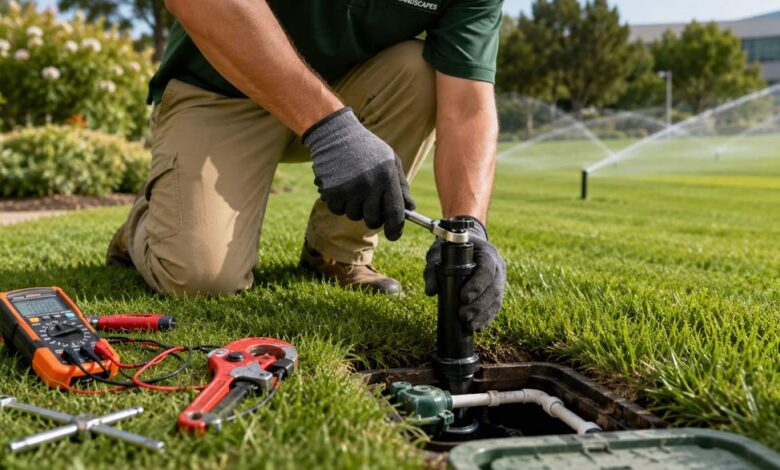
Electrical problems can be more complicated. Damaged wiring, corroded connections, failed solenoids, or controller faults can prevent valves from receiving the required signal. If a controller displays a zone as active but the corresponding sprinkler system does not operate, electrical testing may be necessary to determine whether the problem is at the controller, field wiring, solenoid, or valve.
Sprinkler Alignment and Coverage
Even when every sprinkler head is technically functioning, the irrigation system may still perform poorly if the heads are improperly aligned. Sprinklers should distribute water across the intended landscape rather than spraying onto buildings, sidewalks, driveways, fences, or other non-landscaped surfaces.
Overgrown plants can also interfere with spray patterns. Vegetation that grows directly in front of a sprinkler may block or redirect the water stream. This can create dry areas behind the vegetation while causing excessive watering in another location. Regular trimming around sprinkler heads can therefore contribute to better coverage.
Proper spacing is also important. Irrigation systems are often designed so that adjacent sprinklers provide overlapping coverage. If a head is moved, removed, or replaced with a component having a different spray pattern, the original distribution pattern can change. Studies of residential irrigation systems have identified poor sprinkler spacing, unmatched application rates, and improper alignment as significant causes of inefficient water distribution. Ask IFAS – Powered by EDIS
Why Different Nozzles Matter
Not all sprinkler nozzles distribute water at the same rate or pattern. Using incompatible nozzle types within a zone can create uneven irrigation because some areas receive more water than others during the same operating period. The result may be a landscape where one section remains dry while another becomes excessively wet.
When replacing a nozzle, it is therefore important to consider the existing irrigation design rather than choosing a component based solely on physical fit. Matching the appropriate nozzle characteristics to the sprinkler body and zone helps maintain the intended distribution pattern.
Utah State University Extension recommends checking that irrigation zones use compatible nozzle types because different nozzles can have different precipitation rates. Utah State University Extension This illustrates why replacing a small component can sometimes affect the performance of an entire zone.
Drainage, Runoff, and Overwatering
A sprinkler system can waste water even when there are no obvious broken components. If irrigation is scheduled too frequently or for excessive periods, water may run off before it can infiltrate the soil. Poor soil drainage can make this problem more noticeable, particularly in low areas of the landscape.
Runoff may carry soil, nutrients, and other materials away from planting areas. It can also result in standing water and damage to nearby hard surfaces. Adjusting the watering schedule to suit the landscape’s actual requirements can help reduce unnecessary water use.
The system should also be programmed according to the needs of different plant types. Turf, shrubs, trees, flower beds, and other plants may not require the same amount of water. Combining areas with significantly different watering requirements into one zone can make efficient irrigation more difficult. Residential irrigation research has identified mixed landscape requirements within the same zone as a common source of inefficiency.
When Professional Repair Is Necessary
Some irrigation problems can be addressed with basic maintenance, such as cleaning a clogged nozzle, repositioning a slightly tilted head, or removing vegetation that blocks a spray pattern. However, more complicated problems may require professional assistance.
Underground pipe leaks, electrical faults, malfunctioning valves, persistent pressure problems, and extensive system modifications can be difficult to diagnose without appropriate tools. Attempting to excavate an entire area without first identifying the location of the leak can unnecessarily damage landscaping and increase repair costs.
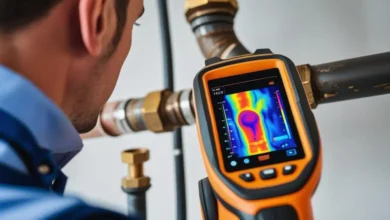
Professional technicians can evaluate the system zone by zone, observe pressure and flow behavior, inspect valves and sprinkler heads, test electrical components, and identify areas where water is being lost. This systematic approach can be more effective than replacing components based only on symptoms.
Regular maintenance can reduce the likelihood of unexpected irrigation failures. A simple inspection should include running each zone and observing the sprinkler heads while they operate. Look for broken heads, clogged nozzles, tilted components, unusual spray patterns, leaks, and areas where water is reaching unintended surfaces.
It is also useful to inspect the system after landscaping work, lawn maintenance, storms, or other activities that could damage exposed components. Sprinkler heads located near driveways, walkways, and lawn edges can be particularly vulnerable to physical impact.
Filters and nozzles should be cleaned when necessary, and vegetation should be kept from blocking spray patterns. Valves and exposed connections should also be checked for signs of leakage. Extension guidance recommends regular zone-by-zone inspection as part of ongoing irrigation maintenance. Utah State University Extension
Improving the Life of an Irrigation System
Proper operation can extend the useful life of irrigation components. Avoid unnecessary watering cycles and make sure the controller schedule reflects actual landscape requirements. Periodically reviewing the schedule is particularly useful when weather patterns or seasonal plant requirements change.
Protecting sprinkler heads from physical damage is equally important. Heads that are repeatedly struck by lawn equipment may need to be repositioned or protected through better landscape planning. Keeping soil and vegetation from covering the heads can also help them operate correctly.
It is worth remembering that irrigation efficiency depends on the entire system rather than one component. A new sprinkler head cannot compensate for a leaking underground pipe, and a perfectly programmed controller cannot overcome a malfunctioning valve. Effective maintenance considers the water source, controller, valves, pipes, sprinkler heads, pressure, coverage, and landscape conditions as interconnected parts.
Final Thoughts
A reliable irrigation system provides consistent water distribution while helping maintain the health and appearance of lawns and landscapes. Because sprinkler systems contain mechanical, hydraulic, and electrical components, occasional problems are inevitable. The key is to recognize warning signs early and address them before they result in widespread landscape stress or unnecessary water loss.
Sprinkler system repair can involve something as straightforward as replacing a damaged sprinkler head or as complex as locating an underground pipe leak. Understanding the difference between simple maintenance and technical repair can help property owners respond appropriately when problems appear. Regular inspections, correct controller settings, properly aligned sprinkler heads, clean nozzles, functioning valves, and adequate water pressure all contribute to reliable operation.
Professional assistance becomes especially valuable when problems involve buried pipes, electrical wiring, persistent pressure loss, or valves that fail to open or close correctly. A systematic inspection can identify the underlying cause rather than simply treating the visible symptom.
Ultimately, sprinkler system repair is not only about restoring a single malfunctioning component. Effective repair should help return the entire irrigation system to consistent and efficient operation. By combining timely repairs with preventive maintenance and appropriate watering schedules, property owners can reduce water waste, protect their landscapes, and extend the useful life of their irrigation equipment. Sprinkler system repair performed at the right time can also help prevent minor issues from becoming larger and more disruptive problems, making regular attention to the irrigation system a practical part of responsible landscape care.