
Introduction to Generator Fueling
Generators play an essential role in providing dependable electricity when the main power supply is unavailable. They are widely used in residential properties, commercial buildings, industrial facilities, construction projects, and outdoor activities where a stable source of electricity is necessary. However, keeping a generator running efficiently requires more than simply starting the engine and connecting electrical equipment. Proper fuel selection, storage, handling, and regular maintenance are equally important for ensuring consistent performance and long-term reliability. Understanding generator fueling helps users prepare for unexpected power interruptions, manage fuel consumption, and reduce the risks associated with operating fuel-powered equipment.A well-planned fueling routine can prevent unnecessary interruptions and help equipment operate according to its intended performance standards. Whether someone owns a small portable generator or manages a large standby power system, paying attention to fuel requirements can make a noticeable difference in daily operation. Incorrect fueling practices may cause engine problems, increase operating expenses, or create dangerous conditions around the equipment. For these reasons, generator owners should understand their machines’ fuel specifications, follow manufacturer recommendations, and establish practical procedures for handling fuel safely. Developing these habits makes generator operation more predictable and helps protect both equipment and people.
Understanding Different Generator Fuel Types
Generators are designed to operate using particular types of fuel, and choosing the correct option is essential for reliable performance. Gasoline generators are common because gasoline is readily available and suitable for many portable applications. Diesel generators are frequently selected for commercial, industrial, and standby power requirements because many models are designed to provide dependable operation under demanding conditions. Propane and natural gas generators are also popular choices, particularly where convenient fuel connections or longer storage life are important considerations. Before purchasing fuel, users should always check the equipment manual to confirm the approved fuel type and any specific requirements.Each fuel option offers different advantages, limitations, storage considerations, and operating costs. Gasoline can be convenient for portable equipment, but its storage life and flammability require careful attention. Diesel fuel may suit larger equipment, although it also needs appropriate storage conditions and protection against contamination. Propane can be stored in approved cylinders or tanks, while natural gas systems may depend on an available supply connection. When evaluating generator fueling options, users should consider the generator’s capacity, expected operating hours, fuel availability, maintenance needs, and safety requirements. A suitable choice can improve convenience without compromising performance or reliability.
Why Proper Fuel Management Matters
Effective fuel management helps ensure that a generator is ready whenever electricity is needed. During a power outage, discovering that the fuel supply is insufficient can create serious inconvenience, especially when essential appliances, communication equipment, or business operations depend on backup electricity. Maintaining an appropriate reserve, monitoring fuel levels, and estimating expected consumption can help prevent avoidable interruptions. These measures are particularly useful for people who rely on generators during severe weather, planned maintenance, or unexpected electrical failures.Good fuel management can also protect the engine from problems caused by contaminated, degraded, or incorrect fuel. Water, dirt, and other impurities may interfere with fuel delivery and affect engine performance. Inappropriate storage conditions can contribute to fuel deterioration, making it harder for certain engines to start or operate smoothly after extended periods without use. A consistent inspection routine helps identify these concerns before they develop into more expensive problems. By combining proper storage, regular equipment checks, and responsible purchasing practices, generator owners can improve reliability and reduce unnecessary maintenance costs.
Choosing the Right Fuel for Your Generator
Selecting suitable fuel begins with reading the manufacturer’s operating instructions. Every generator has specific requirements, and using an unsuitable fuel can damage internal components or prevent the engine from operating correctly. Gasoline engines, diesel engines, and alternative-fuel systems are not interchangeable simply because they serve the same general purpose. Owners should confirm the required fuel grade, approved additives, and any restrictions related to ethanol content or other fuel characteristics. Following these specifications helps maintain engine performance and reduces the likelihood of avoidable mechanical issues.Cost is another important consideration when comparing fuel options. The cheapest fuel available does not necessarily provide the lowest overall operating cost because efficiency, maintenance requirements, storage expenses, and availability also affect the total investment. A generator that consumes less fuel per unit of electricity may offer better value during extended operation, even if its initial purchase price is higher. When planning generator fueling, compare the manufacturer’s consumption figures with expected operating hours and electrical demand. This approach provides a more realistic estimate of running costs and helps users select equipment that matches their long-term requirements.
Safe Fuel Storage and Handling Practices
Safe fuel storage is essential because many generator fuels are flammable and can release hazardous vapors. Fuel should be kept in approved, properly labeled containers that are compatible with the specific fuel being stored. Containers must remain closed when not in use and should be placed in an appropriate, well-ventilated storage area away from ignition sources. Fuel should never be stored in unsuitable household containers or in locations where spills could reach drains, living areas, or other sensitive spaces. Local fire regulations and the manufacturer’s instructions should always guide storage arrangements.Handling fuel carefully is equally important when preparing a generator for operation. Turn off the generator and allow it to cool completely before refueling, because hot engine components can ignite spilled fuel or vapors. Never smoke or use open flames near fuel containers, and avoid refueling in enclosed or poorly ventilated areas. Use appropriate equipment to transfer fuel without unnecessary splashing, and clean up any spills before restarting the generator. These precautions should be part of every fueling routine, regardless of whether the generator is used occasionally or operates frequently.
Steps to Prepare a Generator for Fueling
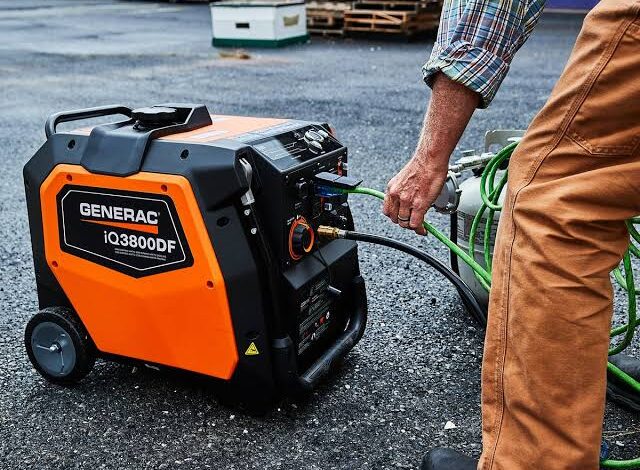
Preparing a generator before adding fuel helps create a safer and more organized operating process. Begin by reviewing the owner’s manual and identifying the correct fuel type, tank capacity, and recommended procedures. Place the generator on a stable, level surface in a suitable outdoor location, away from doors, windows, and air intakes. Portable fuel-powered generators must never be operated inside homes, garages, sheds, or other enclosed spaces because they produce carbon monoxide, a colorless and potentially deadly gas. Carbon monoxide detectors should be installed and maintained according to safety recommendations.Before handling fuel, inspect the generator for visible leaks, damaged hoses, loose connections, and signs of deterioration around the fuel tank. Confirm that the engine is switched off and has cooled completely. Remove the fuel cap carefully according to the manufacturer’s instructions, and use a clean transfer method to avoid introducing dirt or water into the tank. Do not overfill the tank, and leave the required space for fuel expansion. Once the cap is secured, inspect the surrounding area for spills or unusual odors before preparing the generator for use.
Improving Fuel Efficiency During Generator Operation
Fuel efficiency depends on several factors, including engine design, electrical demand, maintenance condition, and operating habits. Running a generator with an appropriate load can help improve efficiency, although the ideal load range varies by model. A generator that is significantly oversized for its typical electrical demand may operate less efficiently than a properly matched unit. Conversely, consistently exceeding the rated capacity can cause overheating, unstable output, and mechanical stress. Understanding the equipment’s rated and starting wattage helps users distribute electrical loads more effectively.Routine maintenance is another important part of improving fuel economy. Dirty air filters can restrict airflow, while worn spark plugs, injector problems, and neglected servicing may affect combustion and performance. Owners should follow the recommended maintenance schedule and replace filters, lubricants, and other service items as specified by the manufacturer. During generator fueling and routine inspections, checking for leaks or damaged components can help identify problems that waste fuel. Keeping the equipment clean, servicing it on schedule, and avoiding unnecessary operation can reduce consumption while supporting dependable electricity production.
Estimating Fuel Consumption and Operating Costs
Estimating fuel consumption makes it easier to plan for outages, construction projects, outdoor events, and other situations requiring backup electricity. The most reliable starting point is the manufacturer’s fuel consumption information, which may list expected usage at different load levels. Actual consumption can vary according to the equipment’s condition, ambient temperature, connected appliances, and the amount of electricity being produced. Users should therefore treat published figures as planning estimates rather than guaranteed results under every operating condition.To estimate the total fuel requirement, multiply the expected hourly consumption by the number of operating hours. For example, if a generator uses approximately 0.8 gallons of fuel per hour under the anticipated load, operating it for 10 hours would require roughly 8 gallons. This calculation is only an illustration; the actual rate must be confirmed for the specific generator and operating conditions. A sensible reserve can help accommodate unexpected delays, but fuel quantities should remain within safe storage limits and comply with applicable regulations. Recording consumption over time can also reveal changes that may indicate maintenance needs or altered electrical demand.
Common Fueling Mistakes to Avoid
Several avoidable mistakes can reduce generator reliability and create unnecessary safety risks. One common error is adding the wrong fuel type or using fuel that does not meet the manufacturer’s specifications. Another is filling the tank while the engine is hot or running, which increases the risk of ignition and injury. Some users also neglect fuel freshness, leave containers exposed to unsuitable conditions, or allow dirt and moisture to enter the tank. These practices can contribute to starting difficulties, poor performance, and damage to fuel system components.Overfilling the tank, ignoring leaks, and storing excessive fuel in unsuitable locations are additional concerns. Users should never attempt to solve engine problems by adding unapproved chemicals or mixing different fuels without explicit manufacturer guidance. If a generator develops an unusual smell, visible leak, repeated stalling, or other warning sign, shut it down when safe and investigate the issue according to the manual. Professional assistance may be necessary when the problem involves damaged fuel lines, internal engine components, or specialized fuel systems. Preventing mistakes is generally safer and less expensive than repairing avoidable damage.
Maintaining Fuel Quality During Long-Term Storage
Fuel quality becomes especially important when a generator remains unused for several weeks or months. Certain fuels can deteriorate during storage, and gasoline may develop deposits or other problems that affect starting and combustion. Diesel fuel can also experience contamination or degradation under unsuitable storage conditions. The rate of deterioration depends on fuel composition, temperature, moisture exposure, container quality, and the presence of approved stabilizing products. Owners should follow the fuel supplier’s guidance and the generator manufacturer’s recommendations rather than assuming that every fuel remains suitable indefinitely.Before placing a generator into long-term storage, review the manufacturer’s instructions for preparing the engine and fuel system. Some models require the fuel system to be drained, while others permit approved stabilization procedures or specify different storage methods. These approaches are not universally interchangeable, so the correct procedure depends on the equipment and fuel type. Containers should be inspected for damage, leaks, and signs of contamination, and stored fuel should be managed according to applicable safety rules. Proper preparation helps reduce the risk of starting problems when backup power is needed again.
The Importance of Regular Generator Inspections
Regular inspections help identify potential problems before they interrupt power production. A basic inspection should include checking the fuel tank, hoses, connections, filters, and visible engine components for leaks or damage. Owners should also review oil levels, air filters, battery condition where applicable, and other maintenance items listed in the operating manual. Keeping a written record of inspection dates, operating hours, repairs, and fuel purchases can make maintenance easier to manage. These records are especially useful for businesses that rely on generators to support critical operations.Generators that remain unused for long periods may still require periodic testing and maintenance. A scheduled test can help confirm that the engine starts correctly and that the equipment is ready for its intended purpose. However, testing must take place outdoors in a safe location, with appropriate clearance from buildings and adequate protection against carbon monoxide exposure. Standby systems should be tested and serviced according to their manufacturer’s instructions and any applicable professional maintenance requirements. Combining inspections with responsible generator fueling practices helps users maintain equipment readiness and identify developing issues before an emergency occurs.
Environmental Considerations and Responsible Fuel Use
Responsible fuel use can help reduce waste, prevent pollution, and limit the environmental effects associated with generator operation. Fuel spills may contaminate soil and water, while poorly maintained engines can produce more emissions than properly serviced equipment. Preventing leaks, avoiding overfilling, maintaining engine components, and using only approved fuels are practical ways to reduce unnecessary environmental harm. Users should also avoid operating a generator longer than necessary and consider energy-efficient appliances that reduce the electrical load.Fuel disposal requires equal attention. Old fuel, contaminated fuel, and fuel mixed with other substances should never be poured onto the ground, into storm drains, or into household plumbing. Instead, contact an appropriate local hazardous-waste collection service or follow the relevant disposal requirements. Empty fuel containers must also be handled according to their material, previous contents, and local regulations. When a generator is no longer the most practical solution for a particular application, evaluating alternative backup technologies may help reduce fuel consumption while maintaining the required level of power reliability.
Preparing a Reliable Backup Power Plan
A dependable backup power plan begins with identifying which electrical devices must remain operational during an outage. Refrigerators, communication equipment, selected lighting, medical equipment, and essential business systems may have different power requirements and operating priorities. Calculate the combined running wattage and account for the starting power needed by appliances with motors. This information helps determine whether an existing generator can handle the expected load safely or whether a different capacity is necessary.After estimating electrical demand, calculate the likely duration of operation and establish a realistic fuel plan. Keep the generator manual accessible, identify approved fuel suppliers, and ensure that suitable storage arrangements are available before an emergency occurs. Users should also know how to shut down the equipment safely and when professional help is needed. For permanent standby systems, a qualified electrician can help evaluate transfer switches, electrical connections, and installation requirements. Planning ahead reduces confusion during outages and helps ensure that the generator is used within its designed limits.
Conclusion
Generators provide valuable backup electricity for homes, businesses, industrial facilities, and temporary work sites, but their reliability depends on more than engine quality alone. Correct fuel selection, safe handling, appropriate storage, routine maintenance, and realistic consumption estimates all contribute to dependable operation. Understanding these responsibilities helps users avoid common mistakes, control operating costs, and protect their equipment from preventable damage. A consistent maintenance schedule and a clear backup power plan can also make unexpected outages easier to manage.Developing a responsible generator fueling routine is a practical step toward safer and more efficient power generation. Always follow the manufacturer’s instructions, keep fuel away from ignition sources, allow the engine to cool before refueling, and operate fuel-powered generators outdoors at a safe distance from buildings. Monitor fuel quality, address leaks promptly, and seek professional assistance when repairs exceed your experience. By combining these practices with regular inspections and thoughtful energy management, generator owners can improve equipment readiness, reduce unnecessary waste, and maintain a more dependable source of backup electricity when it matters most.