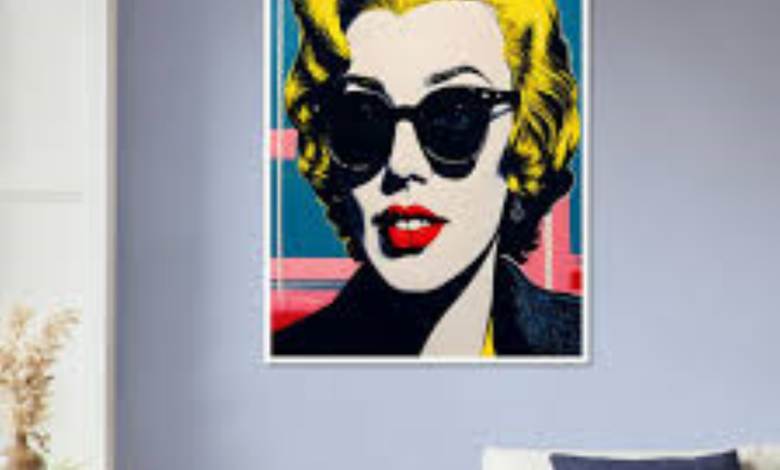

Every collector knows the moment. A guest slows down in front of the print on your wall, leans in, and asks, “Tell me about this one.”
For collectors, authenticity matters more than almost any other quality. This guide walks through the documents to check before buying any new work, so you can add to your collection with confidence.
The market for pop art for sale is broader than most newcomers expect. Collectors can find original works, limited-edition prints, paintings, and sculpture from the movement’s defining names, including Warhol, Haring, Basquiat, Lichtenstein, Murakami, and KAWS, as well as street artists such as Banksy and Shepard Fairey, through Miami art galleries, independent dealers, auction houses, and online shops.
Wherever a piece is listed, the details, condition notes, and documentation that accompany it, including provenance, edition number, signature, and authenticity, show how well that work is recorded and how it will stand among collectors.
Authenticity Is Central to Every Pop Art Collection
Pop art is some of the most loved imagery of the last seventy years, and it appears everywhere, from museum walls to posters and merchandise. Knowing exactly which version you are bringing home is part of the pleasure: an original work, a signed limited edition, or a print from a particular run.
Authenticity rests on evidence you can read, keep, and share. A good record answers quiet questions before they arise.
The sections below show where that evidence lives and how to ask for it with confidence.
Three Documents That Support Pop Art Authenticity
Picture three envelopes on a desk, each answering a different question about the work.
The first holds identity: artist, title, year, medium, edition number (such as 45 of 100), and where the signature sits. The second covers provenance: who owned the piece, where it hung, and which galleries or auctions handled it. The third covers condition: the written inspection plus any restoration history.
Request all three before you pay. A seller who can provide them has already answered most of your questions.
Condition Reports Show How a Piece Has Aged
A condition report is a written inspection of the artwork, much like a used-car check completed by someone who loves the car. It records how the piece looks today, so you can compare it with the photos and the edition details.
Scan the report for these points:
- Corners and edges, including bumps, tears, or soft spots
- Paper tone, fading, or pale patches
- Creases, folds, or pinholes from old mounting
- Markings on the back of the sheet or frame
- Past restoration or repairs
Ask for close-up images of any area the report mentions. Clear, quick answers show the seller keeps careful records.
Five Questions to Verify Pop Art Authenticity
Keep this list in your notes app and use it with any dealer:
- Where did this piece come from before it reached you?
- Where is the edition number documented?
- Can I see the signature and the back of the work in detail?
- Has the work been restored, relined, or reframed?
- What does your return policy cover on a piece this size?
A good dealer welcomes these questions because they come from a buyer planning to care for the work for decades. Specific answers build trust, and a warm, detailed conversation is a good sign.
Pop Art Prices Start Below $2,500
Many first-time buyers assume pop art means six figures or nothing. Galleries often sort inventory into bands: works under $2,500, a middle band from $2,500 to $10,000, and a top tier above $10,000 where prices are frequently given on request.
Choose your ceiling first and let the artists come to you. Some galleries also offer in-house layaway, with terms such as a 15 to 25 percent down payment and up to twelve months to finish paying, on works valued between $1,500 and $50,000.
Get any payment plan in writing before the first payment. Ask who holds the artwork during the plan and when ownership transfers.
Request Authenticity Documents Before You Buy Pop Art Online
A short phone call tells you more than a listing can. You hear how the team talks about its own artwork, and how quickly they can answer a detailed question.
Ask for the three documents by name. Request detail photos of the signature, the back of the sheet, and each corner. Then cover logistics: shipping, crating, insurance in transit, and international orders if you live abroad.
Most reputable sellers take these requests in stride. Their answers show what the rest of the experience will be like.
Collectors Value Documented Authenticity
Ask seasoned collectors what they love about a piece, and the paperwork often comes up alongside the image. A print with a documented history carries a story: where it was made, who held it, and how it reached your wall.
That story changes how a collection feels. You can speak about each work with confidence, share its background with guests, and see your collection as a body of work with its own record instead of a set of decorations.
Documented authenticity also lets you collect with a long horizon. A well-recorded piece is easier to insure, appraise, lend to an exhibition, or pass to the next generation, and many collectors say that peace of mind adds to the pleasure of living with the art.
Keep Your Pop Art Records Safe for Insurance and Resale
The day the artwork arrives, scan every document. Save one copy to a cloud folder and one to an external drive, then keep the originals in a drawer or a fireproof box.
Insurers, appraisers, and future buyers will ask for these records. Having them ready can save weeks when you add the piece to a home policy, sell it, or pass it on.
Add a few lines of your own as well: the purchase date, the amount paid, the dealer’s contact details, and the wall where the piece hangs. Over the years, those notes become part of the work’s story.
So when a guest leans in and asks you to tell them about the print, the answer is ready. It lives in a folder in your desk drawer, and it begins the day you chose the piece.