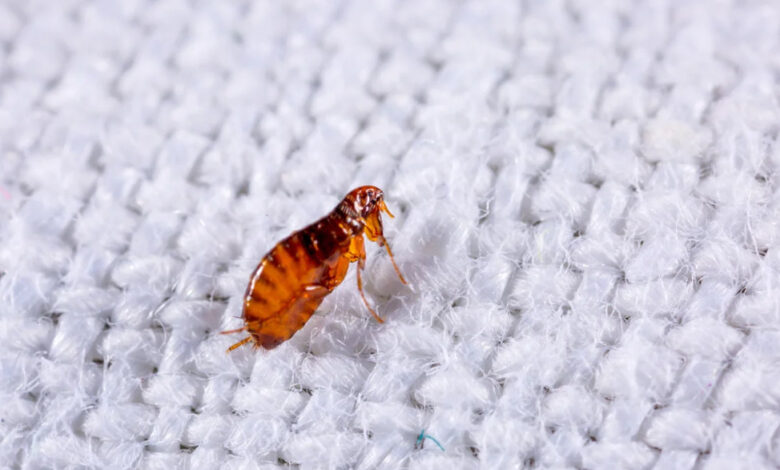

Fleas are tiny parasites that can create persistent problems for pets and households when they are not addressed properly. They can reproduce quickly, survive in different stages of development, and remain hidden in carpets, bedding, furniture, cracks, and other areas where animals spend time. Because only a portion of the flea population may be visible at any given moment, simply removing adult fleas does not always resolve an infestation. Understanding how fleas live and reproduce can help pet owners take more organized steps toward controlling them. A well-planned flea treatment approach should consider pets, household environments, cleaning routines, prevention, and continued monitoring rather than relying on a single action.
Understanding How Fleas Develop
Fleas have a life cycle that includes eggs, larvae, pupae, and adult insects. Adult fleas generally live on animals and feed on blood, while eggs can fall from an infested pet into the surrounding environment. These eggs may develop into larvae that feed on organic material before progressing into the pupal stage. Adult fleas can eventually emerge when environmental conditions are favorable. Because these stages can exist in different locations, an infestation can continue even when adult fleas are no longer easy to see. Understanding this cycle is an important part of developing a flea treatment plan that addresses the problem more comprehensively.
Recognizing Signs of Flea Activity
Early recognition can make flea management easier because established infestations may require more extensive control measures. Pets affected by fleas may scratch, bite, lick, or groom themselves more frequently than usual. Some animals may develop irritated skin or areas of hair loss, while others may show few visible symptoms despite having fleas. Small dark particles in bedding or fur can sometimes indicate flea dirt, although other substances may look similar. Owners should inspect areas where pets sleep and spend time, especially if unusual scratching has been noticed. If flea activity is suspected, identifying the problem early can help guide appropriate next steps.
Why Flea Infestations Can Persist
One reason flea problems can be difficult to eliminate is that the majority of the population may not be present on the pet at the same time. Eggs, larvae, and pupae can remain in the environment while adult fleas are only one part of the overall population. Protected areas such as carpet fibers, furniture, bedding, and floor cracks can provide suitable places for immature stages to develop. Environmental conditions can also influence when adult fleas emerge. Because of this, a flea treatment program may require continued attention even after the number of visible adult fleas appears to decrease.
Treating Pets and Their Environment
Pet owners should consider both the animal and its surroundings when dealing with fleas. Treating a pet while leaving the home environment unmanaged can allow new fleas to emerge and reinfest the animal. On the other hand, cleaning the home without addressing pets can allow fleas to continue entering the environment. Veterinarians can recommend suitable parasite-control products based on an animal’s species, age, weight, lifestyle, and health status. Environmental cleaning should be performed consistently and according to appropriate product instructions. Combining pet care with household management creates a more complete flea treatment strategy.
Cleaning Pet Bedding Regularly
Pet bedding can be an important area to address because animals often spend many hours sleeping or resting there. Washable bedding, blankets, removable covers, and similar fabrics should be cleaned according to their care instructions. The areas surrounding pet beds should also receive attention because eggs and other flea stages can fall onto nearby surfaces. Regular laundering and cleaning can reduce the amount of organic debris and flea material present in these locations. As part of a flea treatment routine, owners should identify the places where pets spend the most time and make those areas a consistent part of their cleaning schedule.
Vacuuming Carpets and Upholstery
Regular vacuuming can help remove debris, eggs, larvae, and other material from areas where fleas may develop. Carpets, rugs, upholstered furniture, floor edges, and spaces underneath furniture deserve particular attention. Owners should focus especially on locations where pets regularly rest because these areas may receive more flea eggs and organic material. Vacuuming should be performed consistently rather than only once after fleas are discovered. Depending on the severity of the infestation, professional advice may be useful when determining how frequently environmental cleaning should be performed. A flea treatment program can be strengthened by combining appropriate pet care with regular household cleaning.
Reducing Clutter and Hidden Areas
Clutter can make flea management more difficult because it creates additional places where insects and immature stages may remain undisturbed. Boxes, piles of fabric, stored belongings, and objects placed directly on the floor can limit access for cleaning. Keeping living areas organized makes it easier to inspect surfaces and vacuum thoroughly. Pet resting areas should be kept accessible, while unnecessary clutter should be reduced where practical. During a flea treatment process, improved access to floors, furniture, and other surfaces can make environmental cleaning more consistent and effective. Organization can also make it easier to identify new signs of flea activity.
Selecting Pet Products Carefully
Not every flea-control product is appropriate for every animal. Products may be formulated specifically for certain species, age groups, weight ranges, or health conditions. A product intended for dogs, for example, should never automatically be assumed to be appropriate for cats or other animals. Pet owners should carefully read labels and follow veterinary guidance when selecting parasite-control products. Animals that are young, elderly, pregnant, nursing, ill, or taking other medications may require additional consideration. A safe flea treatment should be selected according to the animal’s specific circumstances rather than simply based on convenience or advertising claims.
Avoiding Improper Product Combinations
Using multiple parasite-control products without professional advice can create unnecessary risks. Some active ingredients may overlap or interact, and applying products more frequently than directed can expose an animal to excessive amounts of chemicals. Pet owners should follow product instructions exactly and should not assume that applying a larger quantity will provide better protection. If a pet already receives regular parasite prevention, the veterinarian should be informed before another product is introduced. A responsible flea treatment approach emphasizes correct product selection, appropriate dosage, proper timing, and consistent use rather than combining several products without guidance.
Monitoring Pets for Skin Problems
Flea exposure can cause itching and irritation, but not every skin problem is necessarily caused by fleas. Some animals may have stronger reactions to flea bites and can develop redness, excessive scratching, licking, or hair loss. Repeated scratching can damage the skin and potentially contribute to secondary complications. Other conditions, including allergies, infections, and different parasites, can produce similar symptoms. If a pet develops significant or persistent skin irritation, veterinary evaluation is appropriate. Addressing the underlying cause while maintaining suitable parasite control can help prevent continued discomfort and support the animal’s overall well-being.
Maintaining Consistent Household Cleaning
Cleaning should continue after visible flea activity decreases because immature stages may remain in the environment. Carpets, rugs, furniture, bedding, and pet resting areas should be maintained according to a consistent schedule. Vacuuming can help remove material from surfaces, while appropriate laundering can address washable fabrics. Owners should also pay attention to less obvious areas such as spaces beneath furniture and along carpet edges. A consistent flea treatment routine should therefore include environmental maintenance instead of stopping all cleaning immediately after adult fleas become less noticeable. Continued attention can help reduce the opportunity for remaining life stages to develop.
Understanding Reinfestation
A household may appear to be free of fleas and then experience new activity later. This does not always mean that previous control measures were completely ineffective. Flea pupae can remain protected in the environment and emerge later under suitable conditions. New fleas can also be introduced by pets that encounter infested environments or other animals. For this reason, pet owners should continue following recommended prevention and cleaning routines even after improvement is noticed. Understanding the possibility of reinfestation can encourage consistent flea treatment practices instead of stopping control measures too early.
Protecting Pets Through Prevention
Long-term prevention is an important part of managing flea problems. Veterinarians can recommend appropriate preventive products based on a pet’s individual circumstances, including age, weight, health, lifestyle, and exposure level. Regular inspection can also help owners notice changes in scratching, grooming, or skin condition before a larger problem develops. Keeping pet bedding clean and maintaining household cleaning routines can further support prevention. A flea treatment schedule recommended by a veterinarian should be followed consistently rather than used only when fleas become visible. Preventive care can reduce the chance of dealing with a significant infestation later.
Managing Multiple Pets
Homes with several pets require particular attention because fleas can move between animals and their shared environment. Treating only one animal may allow the infestation to continue through untreated pets. Owners should discuss all household animals with a veterinarian and follow species-specific recommendations. Products should never be shared between animals unless the label specifically permits their use. Bedding, resting areas, carpets, and furniture used by multiple pets should also be included in household cleaning routines. A coordinated flea treatment approach can help reduce the possibility of one untreated animal becoming a continuing source of flea activity.
Knowing When Professional Help Is Needed
Some flea infestations become difficult to manage despite regular cleaning and preventive care. If live fleas continue to appear, the infestation may involve areas that have not been adequately addressed or may require additional professional intervention. A veterinarian can assess pets and determine whether the current parasite-control plan is appropriate. A qualified pest-control professional can evaluate the household environment when environmental treatment is necessary. Professional assistance may be especially useful when fleas are present throughout several rooms or when multiple pets are affected. A coordinated flea treatment plan can provide a more systematic way to address both animals and their environment.
Creating a Practical Flea-Control Routine
A routine can make flea management easier because consistent actions are less likely to be forgotten. Pet owners can establish regular schedules for inspecting animals, cleaning bedding, vacuuming important areas, and applying veterinarian-recommended prevention. Keeping records of preventive products can also help owners remember when applications are due. If environmental products are used, their directions should be followed carefully, including any requirements involving ventilation, people, pets, or treated surfaces. A structured flea treatment routine should be realistic enough to maintain over time. Consistency is particularly important because flea development occurs in several stages.
Common Mistakes to Avoid
One common mistake is focusing only on adult fleas that are visible on an animal. Another is stopping cleaning immediately after the number of fleas appears to decline. Owners may also accidentally use products intended for a different species or combine treatments without veterinary guidance. Ignoring one pet in a multi-pet household can allow fleas to remain in circulation. Failing to clean bedding and resting areas can also leave environmental stages undisturbed. Avoiding these mistakes makes flea treatment more systematic and reduces the likelihood that the problem will continue unnoticed. When uncertain, professional advice is preferable to experimenting with multiple products.
Maintaining a Cleaner Living Environment
Good household hygiene can support long-term flea prevention, although ordinary cleaning alone may not eliminate an established infestation. Regular vacuuming, laundering pet bedding, reducing clutter, and keeping frequently used areas accessible can all support better environmental management. Owners should pay particular attention to places where pets sleep or spend considerable time. Keeping the home organized also makes it easier to detect new signs of flea activity. When combined with appropriate veterinary prevention, environmental maintenance can become an important part of long-term flea treatment and help reduce conditions that allow flea populations to grow.
Final Thoughts
Flea problems are easier to manage when pet owners understand that an infestation involves more than the adult insects visible on an animal. Eggs, larvae, and pupae can remain in the environment and contribute to continued activity, which is why consistent household cleaning and appropriate pet prevention are important. Pet owners should choose parasite-control products carefully and seek veterinary guidance when animals develop significant irritation or have special health considerations. Persistent household infestations may also require professional pest-control assistance. A consistent flea treatment plan that combines responsible pet care, environmental cleaning, prevention, and monitoring can help support long-term control and a healthier living environment.