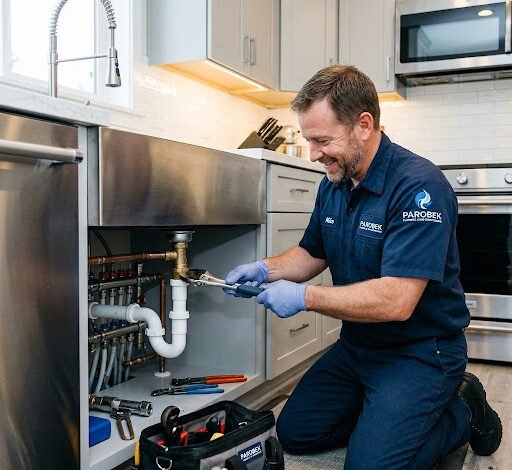

Nobody wakes up excited to deal with a leaky faucet or a water heater that’s decided to retire early. Yet plumbing problems have a sneaky way of turning a normal Tuesday into a full-blown household crisis. One minute you’re making coffee, the next you’re wading through an inch of water, wondering where it all went wrong.
Here’s the good news: most plumbing disasters send out warning signals long before they become full emergencies. Learning to spot these signs early can save you thousands of dollars in water damage, mold remediation, and emergency repair fees. It can also save your sanity, because nothing tests patience quite like a flooded bathroom at 2 a.m.
Parobek Plumbing & Air Conditioning has spent years helping homeowners catch small issues before they snowball into expensive nightmares. This post walks through the most common warning signs, why they happen, and what you can do about them before things get messy.
Why Do Faucets Drip Even When They’re Turned Off?
That persistent drip-drip-drip isn’t just annoying background noise. It’s usually caused by a worn-out washer or O-ring inside the faucet mechanism. Over time, these small rubber components lose their seal, allowing water to seep through even when the handle is fully closed.
A single dripping faucet might seem harmless, but the math adds up fast. A faucet dripping once per second wastes over 3,000 gallons of water annually. That’s not just wasteful, it’s an unnecessary hit to your water bill for a fix that typically takes less than an hour.
The fix is usually straightforward: replace the worn washer, O-ring, or cartridge, depending on your faucet type. Older faucets with compression valves tend to develop drips more often than modern ceramic-disk models, so if you’re constantly tightening handles, it might be time for an upgrade rather than another quick patch.
What Causes Slow Drains, and When Should You Worry?
A slow-draining sink or tub is often dismissed as a minor inconvenience. Hair, soap scum, grease, and mineral buildup gradually narrow the interior of your pipes, restricting water flow. In many cases, this happens gradually enough that homeowners don’t notice until the drain has nearly stopped working altogether.
While a plunger or drain snake can handle surface-level clogs, recurring slow drains across multiple fixtures point to something more serious happening in your main sewer line. Tree root intrusion, pipe collapse, or significant buildup deep within your plumbing system can cause this pattern, and these issues won’t resolve with store-bought drain cleaner.
Chemical drain cleaners might offer temporary relief, but they can actually damage older pipes with repeated use, especially those made of galvanized steel or older PVC. A professional camera inspection can pinpoint the exact cause without guesswork, saving you from paying for the wrong repair.
How Do You Know If Your Water Heater Is Failing?
Water heaters give plenty of warning before they fail completely, if you know what to look for. Rusty or discolored water, strange popping or rumbling noises during heating cycles, and inconsistent water temperature are all classic symptoms of a unit nearing the end of its lifespan.
Sediment buildup at the bottom of the tank is usually the culprit behind those popping sounds. As minerals settle and harden over time, the water heater has to work harder to heat water, which shortens its lifespan and increases energy costs. Most tank water heaters last between 8 and 12 years, so if yours is approaching that range and showing symptoms, it’s worth having it evaluated rather than waiting for a complete breakdown, which often happens at the worst possible time.
Tankless water heaters, while more expensive upfront, tend to last longer and provide more consistent performance, making them worth considering for homeowners tired of replacing traditional units every decade.
Why Do Pipes Make Banging or Rattling Noises?
That sudden bang you hear when you turn off a faucet or when the washing machine shuts off has a name: water hammer. It occurs when flowing water is abruptly stopped, creating a shockwave that rattles through your pipes. Occasional water hammer isn’t usually dangerous, but frequent occurrences can loosen pipe fittings and joints over time, leading to leaks in hard-to-reach places like inside walls.
Water hammer arrestors, small devices installed near valves and appliances, absorb this shock and eliminate the noise. If your home doesn’t have these installed, or if the existing ones have worn out, addressing this now prevents the kind of hidden pipe damage that’s expensive to locate and repair later.
Getting Ahead of Plumbing Problems Before They Escalate
Bringing in a licensed and experienced plumber early can mean the difference between a simple fix and a costly overhaul, especially when small warning signs are easy to overlook until they become major headaches. Regular maintenance checks catch these issues while they’re still manageable, protecting both your home and your budget.
Parobek Plumbing & Air Conditioning specializes in identifying these warning signs during routine inspections, long before they turn into emergencies. From leaky faucets to failing water heaters, addressing problems at the first sign of trouble keeps your household running smoothly and your water bills predictable.
Waiting until a pipe bursts or a water heater floods your basement is the most expensive way to handle plumbing issues. Scheduling a routine inspection today is a small investment that pays off in avoided repair bills, preserved home value, and fewer surprises down the road.
If you’ve noticed any of these signs in your own home, reach out to Parobek Plumbing & Air Conditioning for a thorough inspection and honest recommendations. Catching problems early isn’t just smart; it’s the difference between a quick repair and a weekend ruined by standing water.