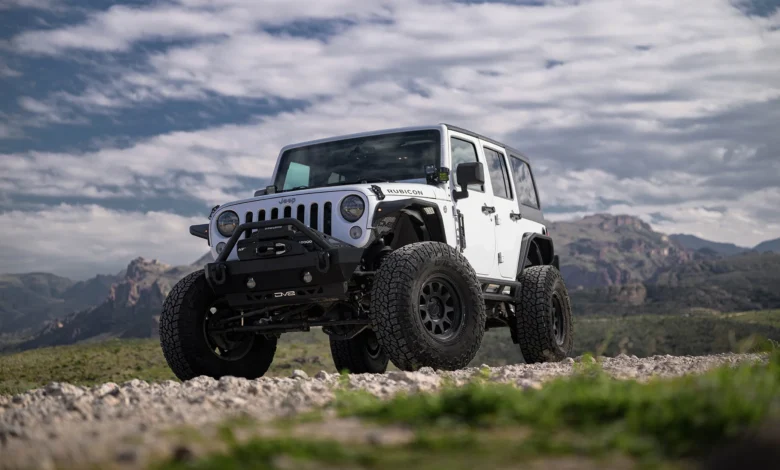

A factory Jeep bumper may be suitable for ordinary road use, but navigating rocky trails, steep inclines, deep ruts, and overgrown terrain introduces different demands. Rocks, branches, trail debris, and unexpected ledges can place vulnerable body panels and mechanical components at risk. A properly selected aftermarket bumper can add durable front- or rear-end protection while supporting recovery equipment and other off-road accessories.
The selection of jeep bumpers available through 4 Wheel Parts includes different styles for daily drivers, overland vehicles, weekend trail rigs, and more specialized off-road builds. Choosing the right bumper involves evaluating its material, construction, mounting system, vehicle compatibility, clearance, accessory provisions, and intended use.
A well-designed bumper should become a functional part of the Jeep rather than serving only as a visual upgrade. Heavy-duty construction can help shield key areas from trail hazards, while vehicle-specific mounting supports a secure connection to the chassis. Features such as recovery points, winch plates, grille guards, lighting mounts, and high-clearance corners can further improve trail readiness.
Heavy‑Duty Steel Designs That Handle Impacts and Trail Hazards
Steel is commonly used for off-road bumpers because it offers the strength and durability needed for demanding environments. Compared with lightweight factory bumper covers, a heavy-duty steel design can provide more substantial protection against rocks, logs, brush, and other obstacles encountered on the trail.
Material thickness is important, but it is not the only sign of a capable bumper. The quality of the welds, internal bracing, mounting brackets, and overall design all influence how forces move through the structure. Strategic bends and reinforced sections can add rigidity without requiring unnecessary bulk throughout the entire bumper.
Bumper profile also affects off-road performance. A low-profile or high-clearance front bumper may expose more of the tire, helping the Jeep approach steep obstacles without the bumper contacting the terrain first. Stubby bumpers can improve tire clearance, while full-width designs may provide more extensive corner and fender protection. The right choice depends on the terrain, driving style, and level of body coverage the owner prefers.
Similar considerations apply to the rear bumper. A properly designed rear bumper can help protect the body when descending ledges or navigating tight trails. Some models also include provisions for a spare-tire carrier, which can be useful when larger tires become too heavy for the factory tailgate mounting system. Owners should confirm weight limits and compatibility before adding a large spare, fuel container, jack, or other accessory.
Wheel and tire fitment should be evaluated alongside bumper clearance. Larger jeep wheels and off-road tires can change the vehicle’s turning clearance and the path the tire follows during suspension articulation. A bumper that works with factory tires may require trimming or a different corner profile after a larger wheel-and-tire setup is installed.
The bumper’s finish also contributes to long-term performance. Powder-coated and corrosion-resistant surfaces help protect the underlying steel from moisture, road salt, mud, and trail debris. Any finish can become scratched during off-road use, so exposed areas should be inspected and touched up before corrosion develops.
Added weight is another important consideration. A steel bumper can place more load on the front or rear suspension, particularly when combined with a winch, tire carrier, or other equipment. Springs and shocks should be appropriate for the completed build so that the Jeep maintains suitable ride height, handling, and suspension travel.
Reinforced Mounts That Improve Strength, Stability, and Safety
An off-road bumper is only as dependable as its connection to the vehicle. Vehicle-specific mounting brackets help distribute loads through suitable structural areas rather than concentrating force on thin sheet metal or decorative attachment points. Proper fitment is especially important when the bumper will support recovery equipment.
Reinforced mounting systems can help the bumper remain stable while traveling over washboard roads, uneven trails, and obstacles that cause the body and chassis to move independently. Secure mounting also limits unwanted vibration that could loosen hardware or affect auxiliary lights and other bumper-mounted accessories.
Winch compatibility should be confirmed before installation. A bumper may include an integrated winch plate, but the plate and mounting system must be appropriate for the selected winch and vehicle. A properly matched jeep winch can provide an important self-recovery option when a vehicle becomes stuck, but safe operation requires suitable mounting, correctly rated equipment, and established recovery practices.
Recovery points deserve equal attention. Tow hooks, D-ring mounts, and shackles should only be used when the bumper manufacturer identifies them as rated recovery locations. Decorative tabs or unrated attachment points should never be assumed to handle recovery loads. Drivers should follow the equipment manufacturer’s instructions and keep bystanders away from the recovery area.
Professional installation can help verify that the mounting brackets, hardware, winch plate, wiring, and accessories are correctly positioned. Installers can also check for interference with airbag sensors, parking sensors, cameras, cooling airflow, and factory lighting. Compatibility with these systems varies by Jeep model and bumper design.
After installation, mounting hardware should be inspected periodically and retorqued according to the manufacturer’s recommendations. Trail impacts, vibration, and recovery loads can affect fasteners over time. The bumper should also be checked for cracks, bent brackets, damaged welds, or corrosion after demanding trips.
No aftermarket bumper can eliminate every risk associated with off-road driving. However, a vehicle-specific steel bumper with reinforced mounts can provide meaningful protection and support essential trail equipment. By choosing a design that matches the Jeep, terrain, recovery needs, and total vehicle build, owners can improve durability without overlooking fitment, handling, or responsible use.