Why Custom Closets Are an Effective Solution for Creating Organized, Functional, and Attractive Storage Spaces

A well-organized home depends on having practical storage solutions that make it easy to keep belongings in their proper places. Closets are among the most important storage areas because they hold clothing, shoes, accessories, seasonal items, bags, and many other personal belongings. However, traditional closets often come with fixed shelves, limited hanging space, and layouts that may not match the needs of every household. Custom closets provide a more personalized approach by allowing homeowners to design storage around their specific belongings and routines. Instead of adjusting personal items to fit a standard closet, homeowners can create an organized system that makes better use of available space while improving convenience, appearance, and everyday functionality.
Understanding the Importance of Personalized Storage
Every household has different storage requirements, which means one standard closet design cannot work equally well for everyone. Some people need extensive hanging space for clothing, while others may require additional shelves, drawers, shoe racks, or accessory compartments. Custom closets make it possible to select features based on individual preferences and the type of belongings that need to be stored. This personalized approach can help reduce clutter and make frequently used items much easier to find. When everything has a designated place, maintaining an organized environment becomes simpler and less time-consuming. A well-planned closet can therefore improve both the appearance of a room and the way people use their storage space every day.
Maximizing Available Space
One of the most valuable advantages of custom closets is their ability to make efficient use of available space. Standard storage systems may leave empty areas above shelves, along corners, or beside hanging sections that could otherwise be used for additional storage. A customized design can take advantage of these overlooked areas by incorporating taller shelves, corner storage, adjustable compartments, and strategically positioned drawers. Vertical space can be particularly useful for storing seasonal clothing, luggage, boxes, or items that are not needed regularly. By considering the full dimensions of the closet, homeowners can create a storage system that provides more capacity without requiring additional floor space.
Designing Around Personal Needs
A closet should be designed around the person who uses it rather than based entirely on a generic layout. Someone with a large collection of formal clothing may require multiple hanging sections, while another person may need more drawers for folded garments and accessories. Custom closets allow homeowners to choose the combination of features that best suits their lifestyle. Frequently used items can be positioned at convenient heights, while less frequently used belongings can be placed on higher shelves or in less accessible sections. This approach creates a logical organization system that makes it easier to locate belongings and return them to their proper places after use.
Improving Clothing Organization
Clothing can quickly become difficult to manage when storage space is limited or poorly organized. A thoughtfully designed closet can separate different types of garments into dedicated areas, making it easier to maintain order. Hanging sections can be arranged for shirts, dresses, jackets, trousers, or other clothing categories, while shelves and drawers can accommodate folded items. Custom closets can also include different hanging heights to make better use of vertical space. Organizing clothing in this way can reduce overcrowding and help garments remain in better condition. It also makes it easier to see what is available when selecting an outfit, saving time during busy mornings and reducing unnecessary searching.
Creating Dedicated Shoe Storage
Shoes require specialized storage because they come in many different shapes, sizes, and styles. Leaving footwear on the closet floor can quickly create clutter and make it difficult to find individual pairs. A customized storage system can include shelves, racks, pull-out features, or individual compartments designed specifically for footwear. Custom closets can provide separate areas for everyday shoes, formal footwear, boots, athletic shoes, and seasonal options. Keeping shoes organized not only creates a cleaner appearance but can also help protect them from being damaged by overcrowding. A dedicated shoe storage area makes it easier to see the available options and select the right pair without disturbing other belongings.
Adding Functional Drawer Systems
Drawers are particularly useful for storing smaller items that can easily become misplaced or scattered. Socks, undergarments, scarves, belts, accessories, and other personal belongings can be organized into separate compartments. Custom closets can incorporate drawers in different sizes and depths depending on what needs to be stored. Smaller drawers can be useful for accessories, while deeper drawers can accommodate folded clothing. Quality drawer hardware can also improve everyday usability by allowing smooth and reliable operation. With dedicated drawer storage, homeowners can keep smaller belongings out of sight while still ensuring that they remain easy to access whenever needed.
Incorporating Accessories and Special Features
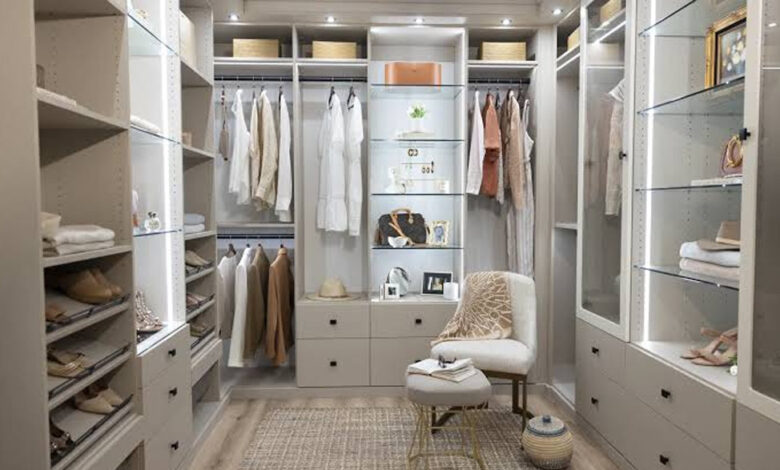
Modern closet systems can include a variety of features designed to improve convenience. Pull-out valet rods, jewelry organizers, belt racks, tie organizers, handbag compartments, and accessory trays can all provide specialized storage for individual items. Mirrors and lighting can also be incorporated into certain closet designs to improve visibility and make the space more practical. Custom closets allow homeowners to select features based on their actual needs instead of paying for unnecessary additions. Even relatively small improvements can make a noticeable difference when they are placed in the right locations. Thoughtful accessories can transform an ordinary storage area into a highly functional part of the home.
Selecting Suitable Materials and Finishes
The materials and finishes used in a closet contribute to both its appearance and durability. Homeowners can choose colors, textures, hardware, and surface finishes that complement the existing design of the room. Some may prefer simple neutral tones for a clean and timeless appearance, while others may want decorative finishes that add personality. Custom closets can be constructed with different materials depending on the desired style, budget, and expected level of use. Quality materials are especially important for shelves, drawers, hanging rods, and other frequently used components. A durable closet system can maintain its appearance and functionality for years when it is properly designed and constructed.
Making Small Spaces More Functional
Limited closet space does not necessarily mean that homeowners have to accept poor organization. A well-planned design can make compact areas significantly more useful by taking advantage of every available section. Vertical storage, narrow shelving, adjustable compartments, corner solutions, and carefully positioned hanging rods can increase storage capacity without making the space feel overcrowded. Custom closets can also be designed around unusual room features, including awkward corners, sloped ceilings, or unusual wall dimensions. Instead of treating these areas as limitations, a customized approach can turn them into useful storage zones. This makes personalized closet planning especially valuable for rooms where every inch of space matters.
Supporting an Efficient Daily Routine
An organized closet can make everyday routines easier because belongings can be located quickly and returned to their designated places. When clothing and accessories are arranged logically, getting ready for work, school, events, or other activities becomes less stressful. Custom closets can be structured around the user’s daily habits, with frequently used items positioned where they are easiest to reach. Seasonal or occasional belongings can be stored separately so they do not interfere with everyday items. This arrangement can reduce the amount of time spent searching through piles or rearranging clutter. Over time, a practical closet system can encourage consistent organization and make maintaining a tidy space feel much easier.
Balancing Appearance With Functionality
A closet should provide practical storage while also complementing the overall appearance of the room. Fortunately, homeowners do not have to choose between functionality and style when designing a customized system. Custom closets can combine open shelves, closed drawers, hanging sections, decorative finishes, and lighting to create a balanced appearance. Open areas can be used to display attractive accessories, while closed storage can keep less visually appealing items concealed. Matching the closet’s materials and colors with the surrounding interior can also create a more cohesive look. When aesthetic details are combined with practical storage features, the closet can become an attractive part of the home rather than simply a place to store belongings.
Considering Long-Term Flexibility
Storage needs can change as lifestyles and households evolve, so flexibility should be considered during the planning process. A closet system that works for one type of wardrobe may need adjustments later as belongings change. Adjustable shelves, movable components, and versatile storage sections can make it easier to modify the layout without replacing the entire system. Custom closets can be planned with future needs in mind, allowing homeowners to adapt the storage arrangement as their collections and routines change. This flexibility can make the investment more practical over the long term. Rather than creating a system that only works for current belongings, homeowners can build a storage solution capable of adapting to future requirements.
Improving Organization Throughout the Home
The principles used in a well-designed closet can also be applied to other storage areas around the home. Entryways, linen spaces, laundry rooms, home offices, and utility areas can all benefit from thoughtful organization. Custom closets can serve as a foundation for a broader approach to storage by encouraging homeowners to consider how different belongings are used and where they should be kept. When storage systems are planned around actual needs, clutter can be reduced across multiple rooms. A consistent approach to organization can also make it easier for everyone in the household to maintain order. Better storage is therefore not only about improving one closet but can contribute to a more functional home overall.
Planning a Closet Project
Before beginning a closet project, homeowners should evaluate their current storage problems and identify the features they need most. Taking an inventory of clothing, shoes, accessories, luggage, and other belongings can provide a clearer understanding of the required storage capacity. Accurate measurements are also essential because the design needs to fit the available space properly. Custom closets should be planned according to both current requirements and potential future changes. Homeowners should also establish a realistic budget and determine which features are priorities. Careful preparation can make the design process more efficient and help prevent unnecessary expenses or changes during installation.
Choosing Quality Components
A closet is used frequently, so the quality of its components should not be overlooked. Shelves, drawers, hanging rods, hinges, handles, and other hardware need to withstand regular use. Low-quality components may wear out quickly and can lead to repairs or replacements. Custom closets built with durable materials and reliable hardware can provide better long-term performance. Homeowners should consider not only how the finished closet looks but also how it will function after years of daily use. Investing in quality construction can help ensure that the storage system remains dependable and attractive over time. A well-built closet can provide lasting value while making organization easier for the household.
Making Better Use of Every Section
Effective storage design is often about making use of spaces that would otherwise remain empty. Areas above hanging rods, corners, lower sections, and narrow spaces can all become useful when they are incorporated into a thoughtful layout. Custom closets can be designed with different types of storage components to ensure that each section serves a purpose. Shelves can hold folded items, drawers can organize accessories, and hanging areas can accommodate garments that need to remain wrinkle-free. By dividing the closet into practical zones, homeowners can create a system where each category of belongings has a clear location. This can make the entire storage area easier to maintain and more efficient to use.
The Lasting Benefits of Personalized Storage
A well-designed closet can offer benefits that extend beyond simple organization. It can make a room feel cleaner, improve daily routines, protect belongings, and help homeowners use their available space more effectively. Custom closets provide the flexibility needed to combine practical storage features with personal design preferences. Whether the goal is to organize a large wardrobe, improve a compact storage area, or create a more attractive interior, a customized solution can address specific needs more effectively than a generic system. With thoughtful planning and quality construction, the result can be a storage environment that remains useful and appealing for many years.
Conclusion
Creating an organized home requires storage solutions that work with the way people actually live. A well-planned closet can provide designated spaces for clothing, shoes, accessories, seasonal belongings, and everyday essentials while making better use of available space. Custom closets offer homeowners the opportunity to combine practical organization with attractive design, flexible features, and durable materials. From specialized drawers and shoe storage to adjustable shelves and personalized layouts, every component can be selected according to individual requirements. With careful planning, attention to quality, and a focus on long-term functionality, a customized closet can become a valuable addition to any home. More importantly, it can make everyday organization easier, reduce clutter, and create a storage environment that feels both practical and visually appealing.