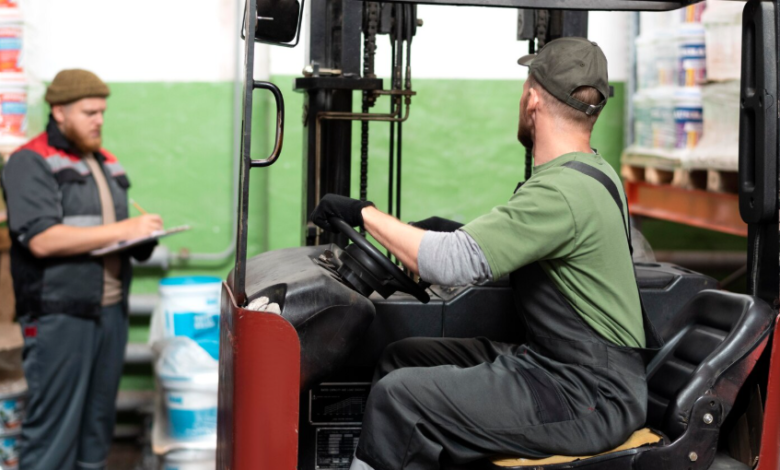

Operating a forklift requires more than basic driving skills. In warehouses, distribution centres, construction sites, and manufacturing facilities, forklift operators handle heavy loads, work around employees, and navigate busy environments. Without proper training, even a routine task can create serious safety risks. This is why obtaining a Forklift Training Certificate is an important step toward developing safer workplace practices in Canada.
For employers and workers, forklift training helps build awareness of equipment hazards, safe operating procedures, and responsible workplace behaviour. Understanding the importance of proper training can help businesses protect their employees while supporting a more organized working environment.
- Reducing the Risk of Workplace Accidents
Forklifts are powerful machines designed to lift and transport heavy materials. However, incorrect operation can lead to collisions, falling loads, tip-overs, and injuries.
A properly trained operator learns how to assess workplace conditions, maintain safe travel speeds, handle loads, and follow established safety procedures. Training also helps operators recognize potential hazards before beginning a task.
The Canadian Centre for Occupational Health and Safety (CCOHS) recommends that forklift trucks be operated by workers who are appropriately trained, experienced, and certified or licensed where required.
A Forklift Training Certificate can document that an operator has completed a relevant training program. However, employers should also verify that the training meets applicable provincial or territorial requirements.
- Understanding Canadian Workplace Safety Requirements
Forklift safety requirements in Canada can vary depending on the province, territory, industry, and workplace jurisdiction. Employers must understand the rules that apply to their operations rather than assuming that one certificate meets every legal requirement.
For example, the Canada Occupational Health and Safety Regulations require employers in federally regulated workplaces to ensure that operators of motorized materials-handling equipment receive instruction and training covering equipment inspection, fuelling, and safe use. Training must consider manufacturer instructions and workplace conditions.
These requirements highlight why forklift training should be treated as an essential workplace safety responsibility, not simply an employment formality.
Before enrolling in a course, businesses should confirm whether the provider’s training content, assessment process, and documentation align with the applicable regulations and industry expectations.
- Improving Operator Awareness and Confidence
Forklift operators often work in environments where conditions change throughout the day. Narrow aisles, uneven surfaces, pedestrians, stacked materials, and limited visibility can create additional challenges.
Proper training introduces operators to important safety considerations, including:
- Pre-operational equipment inspections
- Load capacity and stability
- Safe driving and turning practices
- Pedestrian awareness
- Parking and shutdown procedures
- Workplace-specific hazards
When workers understand how their equipment operates and how to respond to potential risks, they can approach tasks with greater awareness.
Training should not encourage overconfidence. Instead, operators should understand their limitations, follow workplace procedures, and ask for guidance when conditions are unfamiliar or unsafe.
- Supporting Safer Material Handling
Efficient material handling depends on both equipment performance and operator behaviour. Incorrectly positioned loads, excessive speed, or poor visibility can affect the safety of workers and surrounding materials.
A structured forklift training program teaches operators how to inspect equipment, assess loads, and use appropriate handling techniques. CCOHS safety guidance emphasizes following forklift capacity limits, keeping people away from elevated loads, and reporting collisions or near misses.
These practices can help organizations establish consistent operating standards. They also encourage employees to take workplace safety seriously, particularly when working in busy warehouses or industrial environments.
- Helping Employers Maintain Training Records
Workplace safety involves more than completing initial instruction. Employers should maintain records of training and ensure operators receive appropriate supervision and additional instruction when needed.
Under the federal Canada Occupational Health and Safety Regulations, employers must keep written training records for operators of motorized materials-handling equipment for the duration of their employment.
Training documentation can help businesses monitor employee qualifications, identify training gaps, and organize workplace safety procedures.
Employers should also review whether refresher training is necessary when equipment, working conditions, job responsibilities, or operator performance changes. Specific retraining requirements may depend on applicable legislation and workplace policies.
- Building a Stronger Workplace Safety Culture
A workplace safety culture develops when employees and management share responsibility for preventing accidents. Forklift training contributes to this culture by establishing clear expectations for equipment use and hazard awareness.
Employers can strengthen these efforts by combining operator training with routine inspections, pedestrian safety procedures, equipment maintenance, and clear communication between workers.
A Forklift Training Certificate is one part of a broader safety program. It should support practical skills, ongoing supervision, and compliance with relevant workplace requirements.
Conclusion
Forklift certification and training play an important role in supporting workplace safety across Canada. By learning proper operating techniques, recognizing hazards, and following applicable regulations, operators can contribute to safer material-handling practices.
Whether you are an employer developing a workplace training program or an individual preparing for forklift-related employment, choosing appropriate training is an important step. A 1 Forklift can help learners explore forklift training options and understand the importance of developing safe equipment-handling skills.
Before selecting a course, confirm that its content and certification documentation meet the requirements applicable to your workplace and location.